














Scent Machines for Business: Legal and Safety Checklist
- Scent Machines for Business: Legal and Safety Checklist
- Why legal and safety considerations matter when using scent machines for business
- Understand regulatory frameworks that affect scent machines for business
- Assess indoor air quality and health implications of scent machines for business
- Choose the right scent machine technology for business use
- Evaluate fragrance formulation and ingredient transparency for scent machines for business
- Perform a site risk assessment before deploying scent machines for business
- Develop operational controls and policies for scent machines for business
- Employee and customer communication: transparency for scent machines for business
- Vendor selection checklist for scent machines for business
- Incident response and recordkeeping for scent machines for business
- Insurance and liability considerations when using scent machines for business
- Saintdeland Fragrance: a partner for compliant scent solutions
- How Saintdeland supports safe, compliant scent machines for business
- Checklist summary: quick pre-deployment guide for scent machines for business
- FAQ: Common questions about scent machines for business
- Are scent machines for business safe for customers and staff?
- Do I need to disclose fragrance use to customers or employees?
- What should I ask a scent vendor before purchasing?
- How do I respond if someone has a health complaint after scenting?
- Can scent machines for business be integrated with HVAC systems?
- Contact and product information
- Sources and references
Scent Machines for Business: Legal and Safety Checklist
Why legal and safety considerations matter when using scent machines for business
Installing scent machines for business can improve customer experience, increase dwell time, and strengthen brand identity. But fragrance diffusion in commercial environments also raises legal, health, and reputational issues that every operator must address. This checklist explains what to review before you buy or deploy scent technology, how to manage ongoing risks, and what to document to demonstrate compliance and due diligence.
Understand regulatory frameworks that affect scent machines for business
Before deploying scent machines for business, determine which local, national, and international regulations apply. Key areas include chemical safety, consumer product rules, occupational exposure, and building or fire codes. Practical steps include:
- Identify relevant regulators: occupational safety agencies, environmental protection authorities, and consumer safety bureaus.
- Check ingredient compliance for fragrances and solvents under chemical regulations such as REACH in the EU and national chemical inventories in other jurisdictions.
- Confirm any labelling, Safety Data Sheet (SDS), and disclosure requirements for fragrance products used in public spaces.
Why this matters: noncompliance can lead to fines, mandatory product withdrawal, or legal claims from customers or employees who claim harm. Documenting the legal review is an important part of your risk management record.
Assess indoor air quality and health implications of scent machines for business
Scent machines for business can introduce volatile organic compounds (VOCs) and aerosols into indoor air. To responsibly manage health risks, operators should:
- Measure baseline indoor air quality (IAQ) before installing scenting equipment.
- Choose technologies and fragrance formulations with low VOC emissions and proven particle size control.
- Consider vulnerable populations: people with asthma, chemical sensitivities, or fragrance allergies may experience symptoms even at low concentrations.
- Implement ventilation strategies to prevent accumulation; consult ventilation guidance to meet fresh air standards for occupied spaces.
Evidence base: US EPA and public health agencies recommend attention to IAQ when adding any chemical sources indoors. Regular IAQ assessment helps balance scenting benefits with occupant safety.
Choose the right scent machine technology for business use
Not all scent machines for business work the same way. Technology choice affects fragrance longevity, particle size, distribution, and safety. Below is a comparison of common delivery technologies.
| Technology | How it works | Pros | Cons / Safety considerations |
|---|---|---|---|
| Nebulizing / Dual-fluid atomization | Atomizes concentrated fragrance into ultra-fine droplets without heat or carrier solvents. | High fragrance intensity control, long-lasting, minimal added VOC carriers. | Requires high-quality formulations and maintenance; proper droplet size control needed to avoid inhalable particulates. |
| Ultrasonic diffusers | Use ultrasonic vibrations to create a mist of water plus fragrance oil. | Quiet, lower fragrance concentration, adds humidity. | Water reservoir can harbor microbes if not cleaned; higher particle sizes may settle faster. |
| Heat-based diffusers | Warm fragrance to promote evaporation. | Simple and low-cost. | Heat can change chemical profile of fragrance; potential VOC increases; not ideal for precise control. |
| HVAC injectors / in-duct systems | Introduce fragrance into building HVAC for whole-space distribution. | Even coverage, centralized control for large spaces. | Requires HVAC compatibility checks, may spread fragrance to unintended areas; maintenance-critical. |
Sources used for technology and IAQ implications are listed at the end of this article.
Evaluate fragrance formulation and ingredient transparency for scent machines for business
Request full ingredient disclosure and Safety Data Sheets from suppliers. Key vendor assurances to require:
- IFRA-compliant formulations: indicates adherence to industry safety limits for specific compounds and uses.
- Low-VOC or solvent-free options where possible.
- Information on potential allergens and sensitizers present in the blend.
Good vendors will provide lab analyses, odor thresholds, and controlled-use recommendations for public spaces. If a vendor cannot share this information, treat the product as higher risk for commercial deployment.
Perform a site risk assessment before deploying scent machines for business
Every location is unique. Conduct a written risk assessment addressing:
- Occupancy patterns and vulnerable populations (medical offices, schools, eldercare facilities require stricter controls).
- Ventilation rates and HVAC compatibility.
- Proximity to food prep areas, medical devices, or sensitive equipment that could be affected by aerosols.
- Fire and electrical safety for machines placed in public areas.
Document the assessment and keep it with your safety files. Risk assessments demonstrate due diligence if a complaint or incident arises.
Develop operational controls and policies for scent machines for business
Operational policies convert assessment findings into daily practice. Recommended controls include:
- Set concentration limits and automated scheduling to avoid continuous high-level scenting.
- Install units in appropriate locations away from air returns, food prep, and seating clusters where possible.
- Train staff to recognize and respond to complaints, including how to turn units down or off quickly.
- Maintain cleaning and preventative maintenance logs to avoid microbial growth and ensure consistent performance.
Automated monitoring (e.g., integrated timers, dosage analytics) reduces human error and provides traceable data for audits.
Employee and customer communication: transparency for scent machines for business
Proactive communication reduces complaints and legal risk. Best practices include:
- Notify staff and visitors where scenting is used. Signage at entrances or on websites can set expectations.
- Provide a simple process for people to report sensitivity or request scent reduction in specific areas.
- Include fragrance use in your health and safety or accessibility policies if applicable.
Clear communication shows respect for customer and employee well-being and builds trust in Saintdeland Fragrance experience.
Vendor selection checklist for scent machines for business
Choose partners who can supply both equipment and responsible fragrance programs. Look for vendors who offer:
- Independent testing data and SDS availability.
- Maintenance and service agreements, with rapid response options for faults or complaints.
- Flexibility in fragrance concentration and scheduling controls.
- Proven technology (e.g., dual-fluid atomization) that minimizes undesirable emissions while maximizing scent continuity.
Ask suppliers for case studies or references from similar businesses to validate performance claims.
Incident response and recordkeeping for scent machines for business
Prepare for complaints, health incidents, or regulatory inquiries by maintaining a clear incident-response plan:
- Immediate actions: ability to shut down scenting quickly and increase ventilation.
- Documentation: record time, affected areas, description of symptoms, and remedial actions taken.
- Follow-up: medical referrals if needed and root-cause analysis to prevent recurrence.
- Record retention: keep SDS, testing reports, maintenance logs, and incident records per your local legal requirements.
Good recordkeeping supports legal defense and continuous improvement of your scenting program.
Insurance and liability considerations when using scent machines for business
Check your general liability and professional liability insurance to ensure coverage for fragrance-related claims. Specific actions:
- Disclose scenting practices to your insurer and confirm whether fragrance exposure claims are covered.
- Consider endorsements or expanded coverage if you operate in sensitive sectors (healthcare, education).
Maintaining vendor documentation, SDS, and a proactive IAQ program helps demonstrate risk control to insurers.
Saintdeland Fragrance: a partner for compliant scent solutions
Founded in 2019, Saintdeland Fragrance has quickly emerged as a global innovator in the field of ambient scenting. Backed by a seasoned team with years of expertise in the fragrance industry, we have evolved into a fully integrated enterprise, covering R&D, intelligent manufacturing, global marketing, and e-commerce operations.
We collaborate with leading international research institutions and utilize cutting-edge dual-fluid atomization technology to achieve ultra-fine, uniform scent diffusion—delivering a longer-lasting and more stable fragrance experience. By harnessing big data insights, we analyze global consumer scent preferences to design tailor-made fragrance profiles that speak directly to market demands.
We’ve built a highly flexible and efficient production ecosystem that combines the latest in Industry 4.0 technologies—including IoT, AI, and real-time analytics. From raw material sourcing to intelligent supply chain management, our processes are streamlined to reduce operational costs while maximizing product value and profitability for our partners.
How Saintdeland supports safe, compliant scent machines for business
Saintdeland Fragrance integrates regulatory knowledge, advanced diffusion technology, and data-driven fragrance design to address the principal legal and safety concerns businesses face. Our strengths include:
- Regulatory-aware formulations with transparency and IFRA alignment.
- Dual-fluid atomization machines that control particle size to minimize inhalable particulates while providing stable scent distribution.
- IoT-enabled devices for scheduling, dosage control, and usage analytics to support audit trails and IAQ management.
Primary products suitable for commercial use include Aromatherapy machine, Fragrance machine, Perfume machine, Scent Diffuser, Fragrance Dispenser, and fragrance diffuser. Each product line is engineered for commercial reliability, easy maintenance, and integration with building systems when required.
Checklist summary: quick pre-deployment guide for scent machines for business
- Regulatory review completed and documented.
- Ingredient disclosure and SDS collected for each fragrance.
- Site-specific IAQ baseline measurement taken.
- Technology selected based on size, occupancy, and ventilation.
- Staff trained and communication materials prepared for customers.
- Maintenance plan and incident-response procedure documented.
- Insurance coverage reviewed with disclosure to insurer.
FAQ: Common questions about scent machines for business
Are scent machines for business safe for customers and staff?
When chosen and managed correctly, scent machines for business can be used safely. Safety depends on fragrance formulation, delivery technology, correct dosing, proper ventilation, and communication with occupants. Use IFRA-compliant fragrances, measure IAQ, and follow a written operational plan.
Do I need to disclose fragrance use to customers or employees?
Yes. Transparency reduces complaints. Simple signage, a website notice, or posted policies for employees is recommended. Provide contact details for anyone who needs accommodations.
What should I ask a scent vendor before purchasing?
Request SDS for fragrances, evidence of IFRA compliance, maintenance plans, tech specs about particle size and dosing control, case studies, and post-installation support terms.
How do I respond if someone has a health complaint after scenting?
Immediately stop or lower scenting in the area, increase ventilation, document the complaint (time, symptoms, affected persons), and follow your incident-response plan. If symptoms are severe, seek medical attention and keep records for follow-up and insurance.
Can scent machines for business be integrated with HVAC systems?
Yes—HVAC injection systems provide whole-building coverage but require compatibility checks, engineering assessment, and careful controls to avoid over-distribution to unintended zones.
Contact and product information
To evaluate scent solutions tailored to your business, contact Saintdeland Fragrance. Our team can help with risk assessments, pilot programs, and compliant fragrance programs designed for commercial spaces. For product details and demonstrations of Aromatherapy machine, Fragrance machine, Perfume machine, Scent Diffuser, Fragrance Dispenser, and fragrance diffuser, please reach out to our sales team or visit our product catalog.
Sources and references
- US Environmental Protection Agency (EPA) guidance on Indoor Air Quality.
- International Fragrance Association (IFRA) standards and safety guidance.
- European Chemicals Agency (ECHA) information on REACH and chemical safety requirements.
- US Occupational Safety and Health Administration (OSHA) guidance on workplace air contaminants and exposures.
- American Lung Association materials on indoor air quality and respiratory health.
Best fragrance machine for office manufacturers and supplier brands
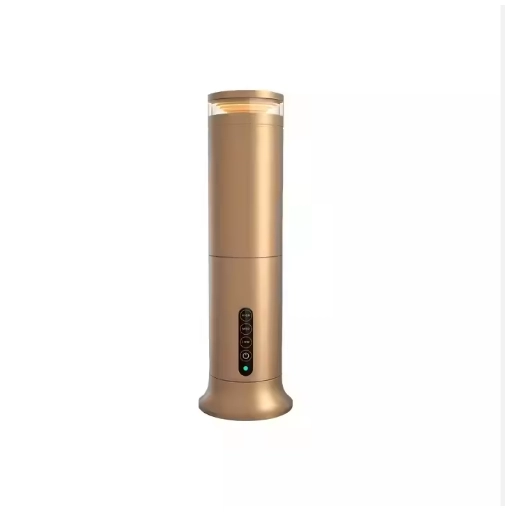
Top Hotel Fragrance Machines: Smart Aluminum Aroma Diffusers
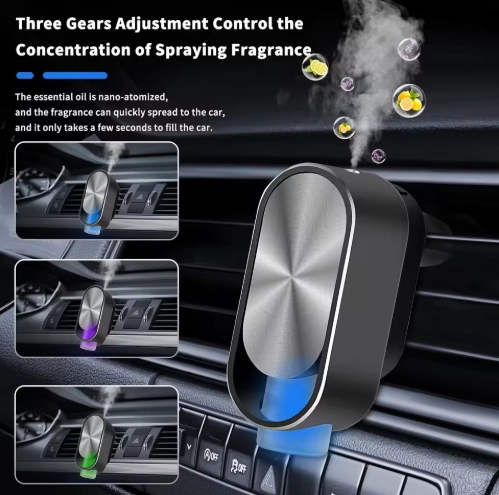
Drive Calm: 5ml Aluminum Alloy Car Vent Clip Aroma Diffuser for Lasting, Safe In-Car Fragrance
Why Scent Machines for Business Boost Customer Experience
C008
Is it supported to use multiple essential oils?
Most water-soluble essential oils are supported, but to ensure the best use effect and equipment life, it is recommended to use product recommended or regular brand essential oils.
OEM/ODM Services
What is the difference between OEM and ODM services?
OEM (Original Equipment Manufacturer) means we produce products based on your design, specifications, and brand. ODM (Original Design Manufacturer) means we offer ready-made products or create new ones based on our own R&D, which you can rebrand.
What types of fragrance products do you support for OEM/ODM?
We offer OEM/ODM services for a wide range of products including:
– Essential Oils
– Fragrance Equipment
Can you help us develop a custom fragrance?
Yes. Our in-house fragrance experts and perfumers work closely with clients to create custom scent profiles based on your brand identity, target market, and preferences.
C001
Does the incense machine produce noise when it works?
With a quiet design, the noise is very low when working, and it will hardly affect daily life and rest.
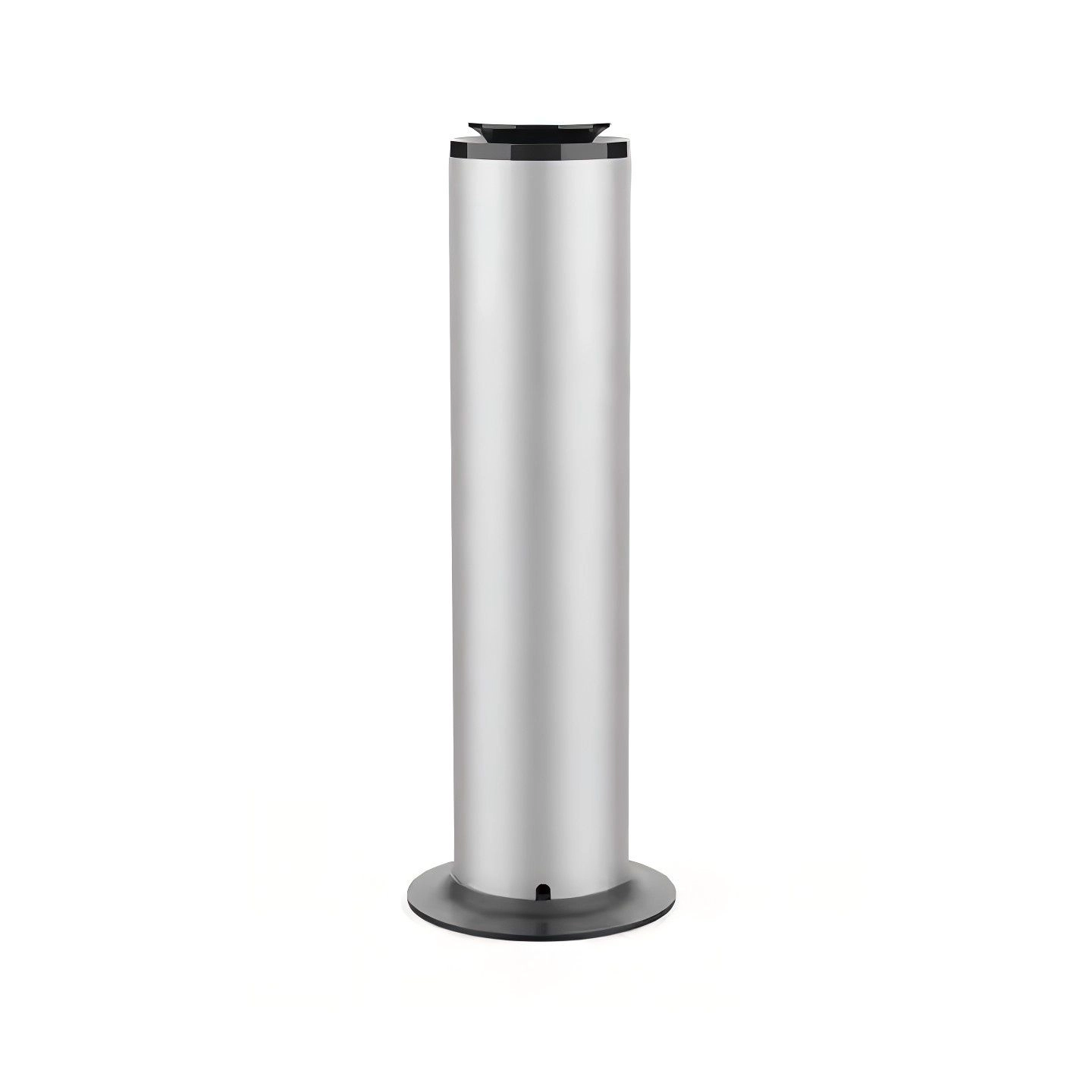
Saintdeland 609 floor standing scent diffuser | household
New Style Metal Smart Home Scent air Machine Electric 120ML Waterless Essential Oil Diffuser Hotel Tower Scent Machine
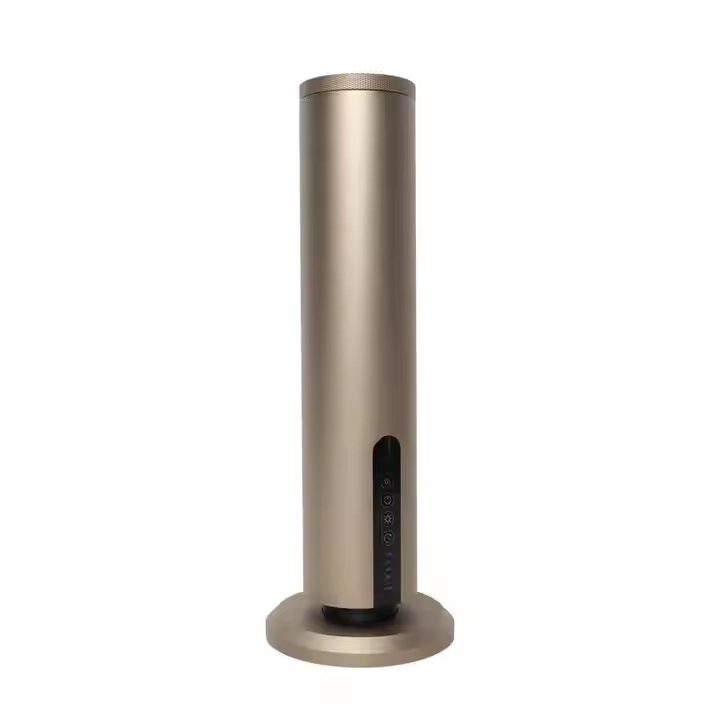
Saintdeland 802 Smart Aroma Diffuser | Bluetooth APP control | sleep aid
Top Sale Portable Wireless Battery Scent Diffuser 100ML Rechargeable Tabletop Essential Oil Home Aroma Diffuser
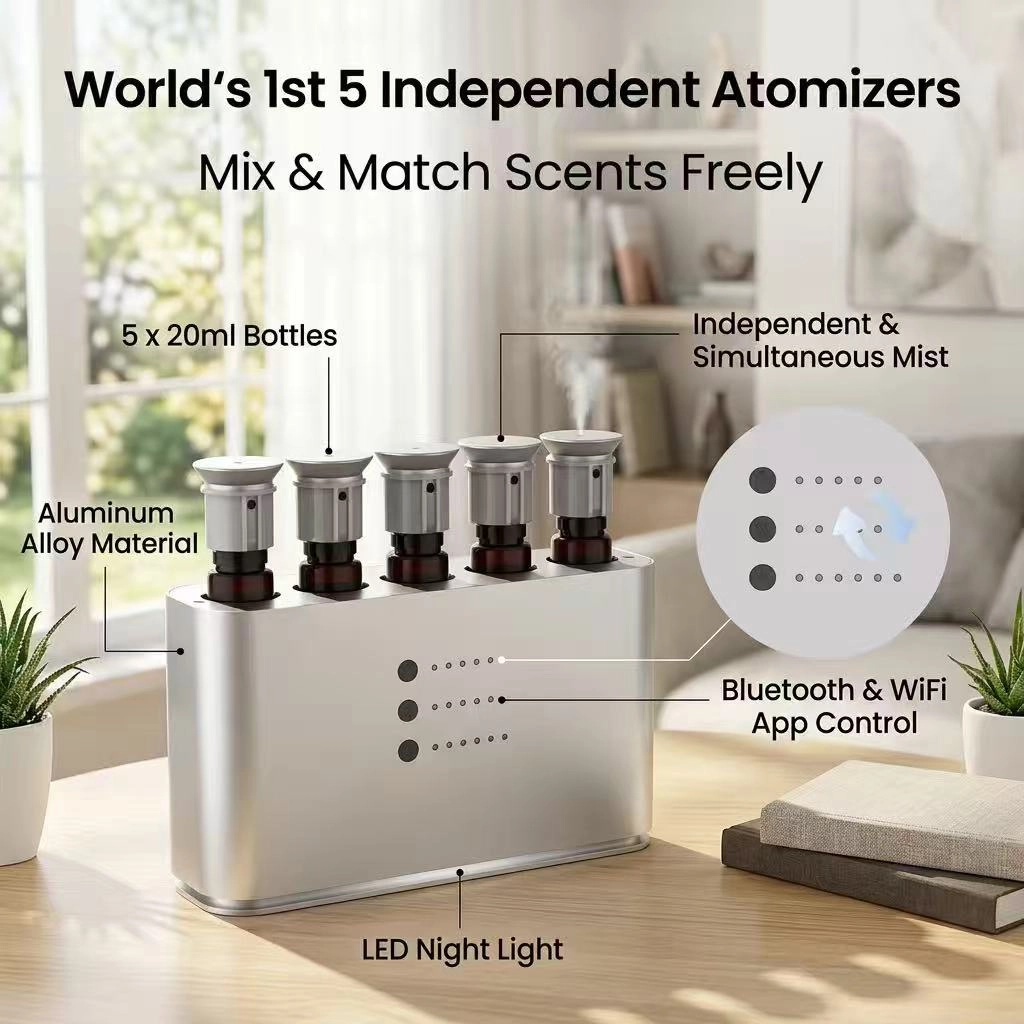
Saintdeland 311 Factory Direct Large Capacity 5-Tank Waterless Electric Essential Oil Diffuser Smart WiFi Control for Hotel Home Use
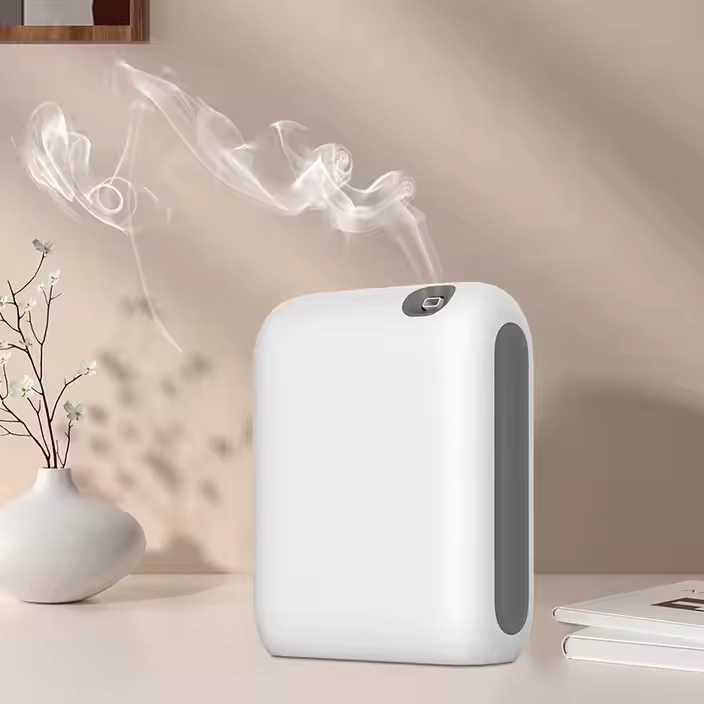
Saintdeland 308 Bluetooth Intelligent Two Fluid Nebulization Diffuser | 400 ㎡+Efficient Coverage Silent Nano level Fragrance Master
The SDL308 intelligent fragrance diffuser innovates the fragrance experience, using two fluid atomization black technologies to instantly transform 200 ml of essential oil into a nano-level fragrance mist, paired with a fan for dual diffusion, immersing a 400-500 square meter space in rich fragrance in seconds.
Through the Bluetooth smart control of the mobile app, concentration adjustment and timed switch can be controlled in one hand to meet personalized fragrance needs. The body is made of environmentally friendly plastic, with a simple white appearance that can be used in various scenarios. The operating noise is less than 35 decibels, which can bring a quiet and high-end olfactory enjoyment whether it is for home rest, office meetings, or commercial space hospitality.
Let's get in touch
Email: huangxiuqing132@outlook.com
Tel: +86 180 1180 4432
WhatsApp: +86 185 9400 4460
Facebook
YouTube
TikTok