














What certifications should new car fragrance suppliers have?
- How can I ensure the new car fragrance aroma lasts consistently for months without being overwhelming or fading too quickly in diverse vehicle interior conditions?
- Beyond pleasant scent, what specific health and safety regulations, particularly regarding VOCs and allergens, must a new car fragrance product comply with for distribution in major markets like the EU or US?
- What are the key technical considerations and minimum order quantities (MOQs) for developing a custom-branded, high-quality new car fragrance for automotive OEMs or luxury car dealerships?
- Given the variety of new car fragrance diffusers (nebulizing, ultrasonic, passive), which technology offers the best balance of consistent scent delivery, minimal residue, and energy efficiency for a B2B product?
- When evaluating new car fragrance suppliers, which crucial third-party certifications (e.g., ISO, IFRA, REACH, RoHS, SDS) demonstrate their commitment to product safety, environmental responsibility, and ethical manufacturing?
- What are the current best practices and evolving regulatory standards for the environmentally responsible disposal or recycling of new car fragrance cartridges and devices, and how can suppliers help us comply?
Navigating New Car Fragrance: Essential Certifications & Solutions for Industry Buyers
As the demand for enhanced vehicle aesthetics and sensory experiences continues to grow, the market for new car fragrance products is booming. For industry professionals and buyers, navigating the complexities of sourcing high-quality, compliant, and effective automotive scent solutions can be challenging. This expert guide delves into crucial questions often overlooked, providing in-depth answers to help you make informed decisions when procuring vehicle interior fragrance products and aromatherapy machines.
How can I ensure the new car fragrance aroma lasts consistently for months without being overwhelming or fading too quickly in diverse vehicle interior conditions?
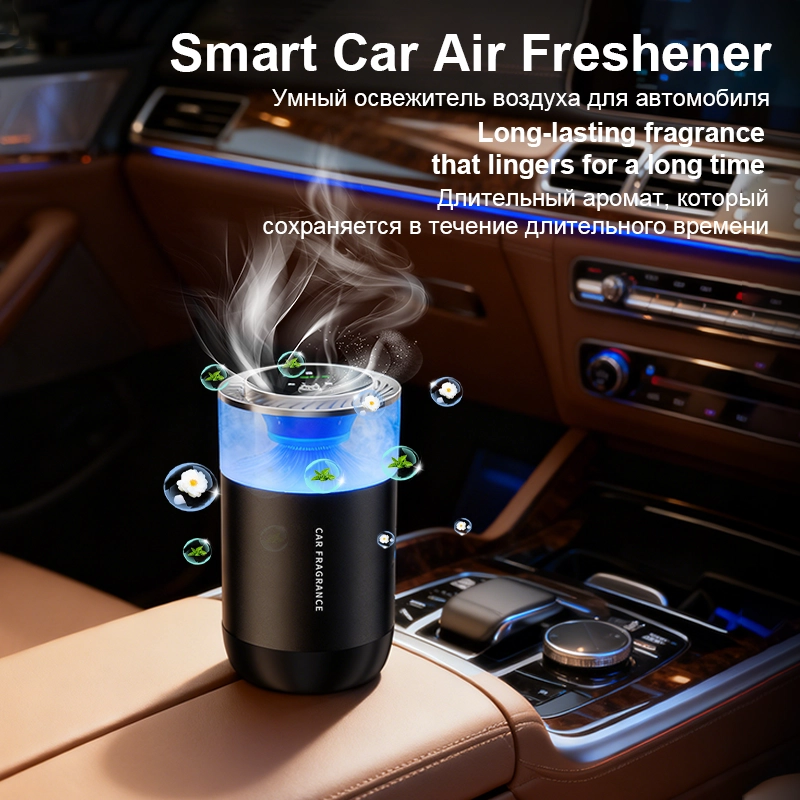
Achieving consistent and long-lasting aroma in a new car fragrance is a nuanced process, heavily dependent on several critical factors. Firstly, the quality and concentration of the fragrance oil itself are paramount. High-grade essential oils or synthetic fragrance compounds, developed by expert perfumers, are designed for stability and slow release. Industry best practices suggest using formulations with lower volatility and excellent fixative properties to extend the fragrance longevity car users desire.
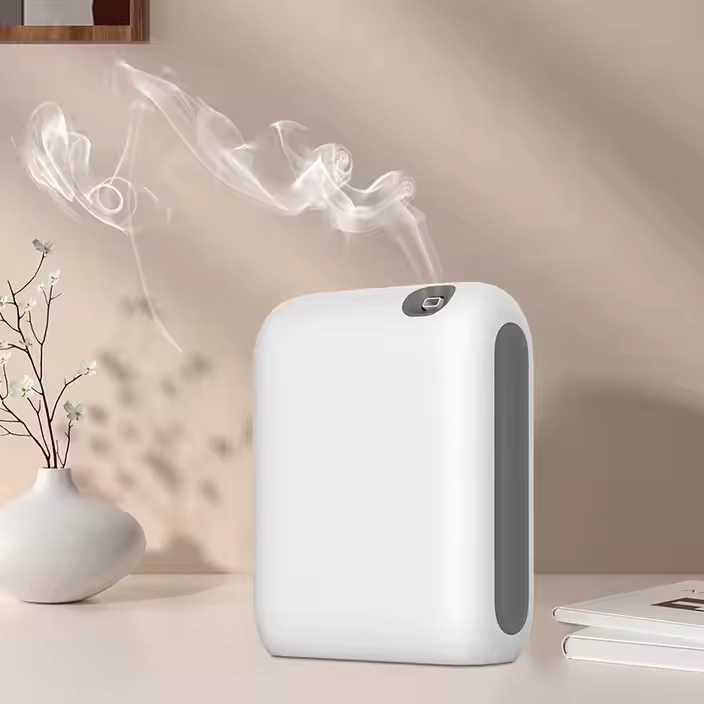
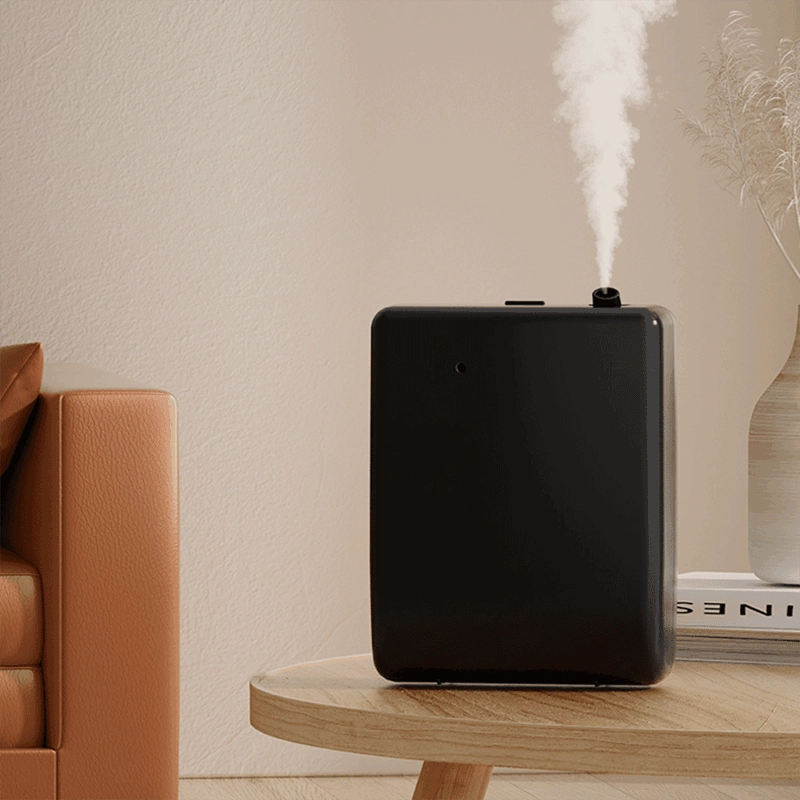
Secondly, the choice of car air freshener diffuser technology plays a significant role. Nebulizing diffusers, which use air pressure to atomize pure fragrance oil into a fine mist without water or heat, are often superior for consistent and potent scent delivery. Unlike passive diffusers (gels, vent clips) that provide inconsistent scent throw, nebulizers ensure a steady output, crucial for maintaining a High Quality ambiance in a vehicle. Environmental factors within the car – temperature fluctuations, humidity levels, and airflow from HVAC systems – also impact longevity. Advanced diffusers incorporate intelligent controls that can adapt to these conditions, optimizing scent release. Additionally, considering the interaction of the fragrance with various interior materials (plastics, fabrics) is vital; a quality supplier will ensure their formulations are non-damaging and resistant to rapid degradation by these surfaces.
Beyond pleasant scent, what specific health and safety regulations, particularly regarding VOCs and allergens, must a new car fragrance product comply with for distribution in major markets like the EU or US?
Compliance with health and safety regulations is non-negotiable for any new car fragrance product, especially for distribution in major global markets. In the EU, suppliers must adhere to stringent regulations like REACH (Registration, Evaluation, Authorisation and Restriction of Chemicals), which governs chemical substances used in products, and the CLP Regulation (Classification, Labelling and Packaging) for hazard communication. The Biocidal Products Regulation (BPR) may also apply if the fragrance claims any antimicrobial properties. For the US, the Toxic Substances Control Act (TSCA) is central, managed by the EPA. Furthermore, specific states like California have their own strict standards, such as the California Air Resources Board (CARB) regulations that set limits on Volatile Organic Compounds (VOCs) for consumer products, including air fresheners. Suppliers must demonstrate that their non-toxic car scents meet these low-VOC standards to access these markets.
Regarding allergens, the International Fragrance Association (IFRA) sets global safety standards for fragrance ingredients, restricting or prohibiting certain substances and providing guidelines for safe usage levels. Products distributed in the EU must declare specific allergenic components (e.g., the EU 26 allergens) if their concentration exceeds certain thresholds. A reputable supplier will provide comprehensive Safety Data Sheets (SDS) for all fragrance formulations, detailing chemical composition, safe handling, and compliance with all relevant regulatory bodies, ensuring both product safety and market access. This due diligence is critical for ethical and legal business operations in automotive scent regulations.
What are the key technical considerations and minimum order quantities (MOQs) for developing a custom-branded, high-quality new car fragrance for automotive OEMs or luxury car dealerships?
Developing a custom-branded new car fragrance for automotive OEMs or luxury dealerships involves intricate technical considerations and specific MOQs. Firstly, the custom scent profile requires collaboration with expert perfumers to create a unique luxury car aroma that aligns with the brand's identity and target demographic. This involves iterative testing and refinement to ensure the fragrance evokes the desired emotion and olfactory experience without overwhelming the vehicle's occupants. Material compatibility is another critical aspect; the fragrance oil and diffuser materials must be rigorously tested to ensure they do not degrade or discolour interior plastics, leathers, or fabrics over time, safeguarding the vehicle's pristine condition.
From a technical standpoint, integrating the diffuser solution seamlessly into the vehicle's existing power infrastructure or interior design is crucial for OEM car scenting. This includes considerations for power consumption, footprint, mounting options, and user interface. For MOQ, custom projects typically start at a higher threshold than off-the-shelf products due to the R&D, tooling, and specialized production runs involved. While exact figures vary, clients can generally expect MOQs ranging from 500 to 1,000 units for fully customized fragrance oils and associated branding elements, and potentially higher for bespoke diffuser hardware. Prototyping and sample development are essential stages to validate the concept before mass production.
Given the variety of new car fragrance diffusers (nebulizing, ultrasonic, passive), which technology offers the best balance of consistent scent delivery, minimal residue, and energy efficiency for a B2B product?
When selecting a new car fragrance diffuser technology for B2B applications, particularly for professional automotive or fleet use, the balance between consistent scent delivery, minimal residue, and energy efficiency is paramount. Among the leading options:
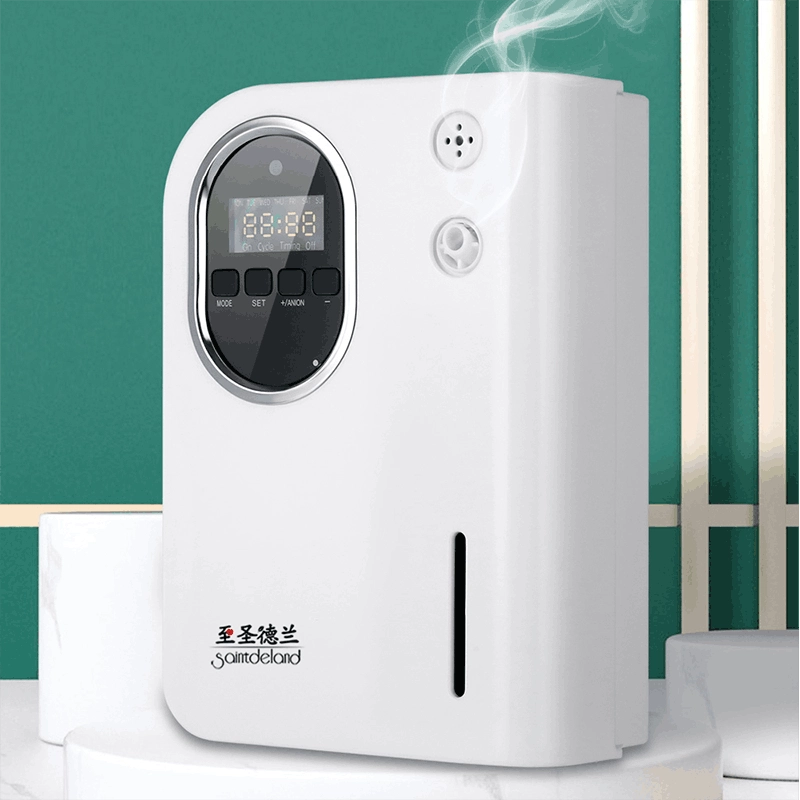
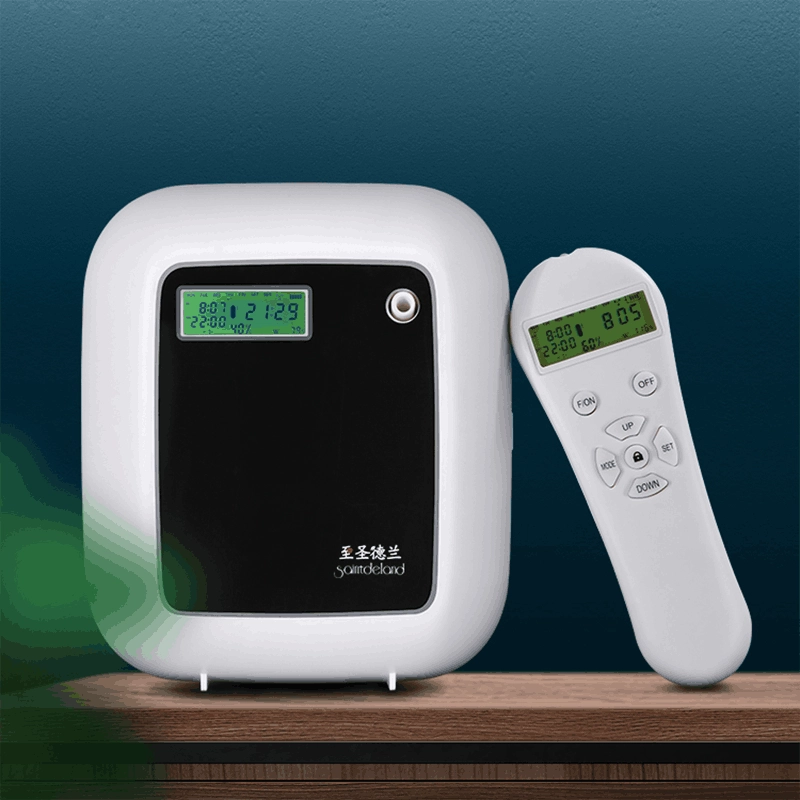
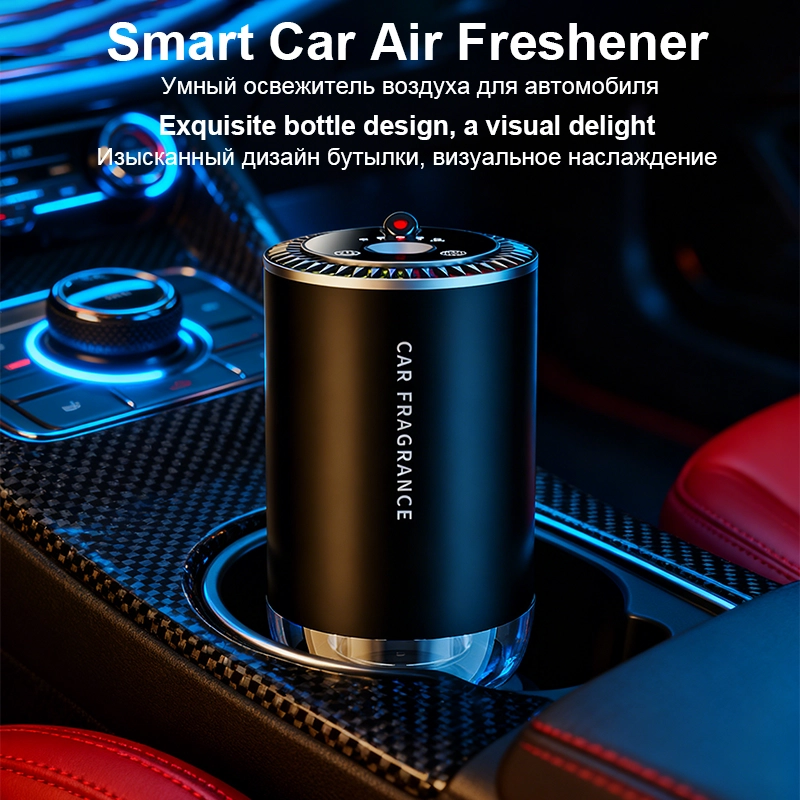
- Nebulizing Diffusers: These are often considered the gold standard for High Quality car air care. They use an air pump to disperse pure, undiluted fragrance oil into a micro-fine mist, ensuring highly consistent and robust scent delivery without any water. This results in no residue buildup, making them ideal for delicate car interiors. While they might have a slightly higher power consumption than passive options, their efficiency in scent diffusion means less oil is used for greater impact, translating to excellent fragrance longevity car owners appreciate. They represent advanced car scent technology.
- Ultrasonic Diffusers: These diffusers use ultrasonic vibrations to break down a mixture of water and essential oil into a fine mist. While quiet and effective, they require regular water refills and can potentially leave a fine film of residue over time if not properly maintained, especially in confined vehicle spaces. They are also less efficient in dispersing pure fragrance oil compared to nebulizers.
- Passive Diffusers (vent clips, gels, sticks): These are generally the simplest and least expensive options, relying on natural evaporation or airflow. However, they suffer from inconsistent scent release, often strong initially and fading quickly. They offer minimal control over intensity and can sometimes leave sticky residues or dry out unevenly, making them less suitable for professional B2B solutions requiring reliable, consistent performance.
For B2B applications demanding consistent, high-quality scenting with minimal maintenance and no residue, nebulizing diffusers typically offer the superior balance. Their precise control and efficient use of pure fragrance oil make them the preferred choice for a professional car odor neutralizer and fragrance solution.
When evaluating new car fragrance suppliers, which crucial third-party certifications (e.g., ISO, IFRA, REACH, RoHS, SDS) demonstrate their commitment to product safety, environmental responsibility, and ethical manufacturing?
Rigorous evaluation of new car fragrance suppliers necessitates checking for a comprehensive suite of third-party certifications that attest to their commitment to product safety, environmental responsibility, and ethical manufacturing. These certifications provide objective evidence of a supplier's adherence to industry best practices:
- ISO 9001 (Quality Management System): This certification indicates that the supplier has a robust quality management system in place, ensuring consistent product quality, efficiency, and customer satisfaction throughout their manufacturing processes for car diffuser certifications.
- ISO 14001 (Environmental Management System): Demonstrates the supplier's commitment to minimizing their environmental footprint, managing waste effectively, and complying with environmental regulations, crucial for offering an eco-friendly car fragrance.
- IFRA (International Fragrance Association) Compliance: Essential for any fragrance product. IFRA sets global safety standards for fragrance ingredients, restricting or prohibiting certain substances to protect consumer health. A supplier's adherence to IFRA standards guarantees that their fragrance oils are formulated responsibly and safely, aligning with automotive scent regulations.
- REACH (Registration, Evaluation, Authorisation and Restriction of Chemicals) Compliance: Particularly important for suppliers targeting the EU market, REACH ensures that chemicals used in their products are registered and evaluated for potential risks to human health and the environment.
- RoHS (Restriction of Hazardous Substances) Compliance: If the supplier provides diffusers or electronic components, RoHS certification confirms that these devices do not contain hazardous materials like lead, mercury, or cadmium, which is critical for electronics safety and disposal.
- Safety Data Sheets (SDS): While not a certification, suppliers must provide up-to-date SDS for all fragrance formulations, detailing chemical composition, safe handling procedures, and emergency measures. These are critical documents for safe product use and regulatory compliance.
These certifications collectively signal a supplier's dedication to responsible manufacturing and product integrity, offering peace of mind to buyers.
What are the current best practices and evolving regulatory standards for the environmentally responsible disposal or recycling of new car fragrance cartridges and devices, and how can suppliers help us comply?
As sustainability becomes a core business imperative, environmentally responsible disposal and recycling of new car fragrance cartridges and devices are gaining significant regulatory attention. Current best practices emphasize a lifecycle approach, from product design to end-of-life management. For electronic diffusers, the Waste Electrical and Electronic Equipment (WEEE) Directive in the EU mandates separate collection and recycling, preventing hazardous substances from entering landfills and promoting resource recovery. Similar regulations exist or are emerging in other regions.
For fragrance cartridges, the focus is on reducing plastic waste and ensuring proper disposal of residual fragrance oils. Evolving regulatory standards, such as expanded producer responsibility schemes and targets set by the EU Packaging and Packaging Waste Directive, are pushing manufacturers to design for recyclability, use recycled content, and minimize packaging. Forward-thinking suppliers of sustainable car fragrance solutions are actively addressing these challenges by:
- Designing for Disassembly and Recyclability: Creating modular devices where components can be easily separated for recycling.
- Using Sustainable Materials: Incorporating recycled plastics, bio-based materials, or durable, recyclable metals in both devices and cartridges.
- Offering Take-Back Programs: Some suppliers facilitate the return and proper recycling or refilling of used cartridges and devices.
- Providing Clear Disposal Instructions: Guiding users on how to separate and dispose of different components according to local regulations.
Partnering with a supplier that proactively addresses these environmental concerns not only helps your business comply with current and future regulations but also enhances Saintdeland's commitment to sustainability.
Navigating the complex landscape of new car fragrance and aromatherapy machine procurement requires a deep understanding of product quality, safety regulations, technological nuances, and environmental responsibilities. By choosing a supplier with proven expertise, robust certifications, and a commitment to innovation, you ensure not only a superior product for your customers but also a compliant and sustainable business operation. This informed approach minimizes risks, enhances brand reputation, and positions your offerings at the forefront of the market.
For a personalized consultation and a competitive quote on our innovative new car fragrance and aromatherapy machine solutions, please visit www.saintdeland.com or contact us at huangxiuqing132@outlook.com.
OEM/ODM Services
How long does it take to complete an OEM/ODM project?
Typical lead times:
– Sampling: 7–14 days
– Mass production: 25–35 days after sample approval
We can adjust timelines based on project complexity and quantity.
What types of fragrance products do you support for OEM/ODM?
We offer OEM/ODM services for a wide range of products including:
– Essential Oils
– Fragrance Equipment
C004 pro
What if the APP connection fails?
Please confirm that the mobile phone Bluetooth is turned on and the diffuser is on. If you still cannot connect, try to restart the device and the mobile phone, or check whether the APP is the latest version; you can also try to repair the pair.
Aromatherapy machine
What if the incense machine doesn't work?
First check whether the battery is installed correctly and has sufficient power; if the battery is normal, check whether the gear button is operated correctly; if the problem still cannot be solved, please contact our after-sales service personnel, we will deal with it for you in time.
About Customization/OEM Service
What is the minimum order quantity for private labels?

Leave a Message
You can also communicate with us directly through our online contact form.
Please fill in the following information, and our team will contact you as soon as possible after receiving your message.
Rest assured that your privacy is important to us, and all information provided will be handled with the utmost confidentiality.
Let's get in touch
Email: huangxiuqing132@outlook.com
Tel: +86 180 1180 4432
WhatsApp: +86 185 9400 4460
Facebook
YouTube
TikTok