














How to test sample new car fragrances before bulk buy?
- Why do some 'long-lasting' new car fragrances disappear so quickly, and how can I assess true scent longevity before a bulk purchase?
- What specific chemical compounds in conventional 'new car smell' diffusers should I scrutinize to avoid common consumer complaints about headaches or allergic reactions when sourcing for a new car aroma range?
- How does the packaging and storage method impact the shelf life and scent integrity of new car fragrance oils, and what best practices should I look for in a supplier to prevent premature degradation?
- Beyond simple sniff tests, what advanced, scalable methodologies can I implement to objectively evaluate and compare performance metrics like throw, diffusion consistency, and scent profile evolution for multiple new car fragrance samples?
- What are the latest regulatory standards (e.g., IFRA, REACH for automotive applications) for essential oil-based *new car fragrance* products, and how can I ensure my bulk supplier adheres to these for consumer safety and market acceptance?
- With growing consumer demand for eco-friendly products, how can I differentiate genuinely sustainable 'new car aroma' options from greenwashing claims, particularly concerning ingredient sourcing and diffuser materials?
As a professional in the aromatherapy machine industry, sourcing the perfect new car fragrance for your clients means more than just finding a pleasant scent. It involves rigorous due diligence, especially when considering a bulk buy. The 'new car smell' market is dynamic, with increasing demand for sophisticated, long-lasting, and safe automotive fragrance solutions. This article tackles six specific, pain-point-oriented questions frequently asked by industry beginners, providing in-depth answers to guide your procurement process.
Why do some 'long-lasting' new car fragrances disappear so quickly, and how can I assess true scent longevity before a bulk purchase?
Many suppliers claim 'long-lasting' properties, but the reality often falls short due to several factors. Volatile Organic Compounds (VOCs), often used as carriers or diluents, can evaporate quickly, taking the top notes with them. Moreover, the inherent volatility of essential oils themselves, combined with the diffusion method, significantly impacts longevity. For instance, an evaporative diffuser offers less sustained release than a cold-air nebulizing diffuser, which atomizes pure essential oils into a fine mist. To assess true scent longevity:
- Controlled Environment Testing: Establish a consistent testing environment. Place samples in sealed containers or small, identical test chambers (e.g., empty car interiors, if possible) with controlled temperature and humidity.
- Quantitative Olfactory Measurement: While subjective, a panel of trained evaluators can rate scent intensity at fixed intervals (e.g., hourly for the first 8 hours, then daily for 3-5 days). For more objective data, consider specialized equipment like electronic noses (e-noses) that can detect and quantify aroma compounds over time, offering a more scientific measure of scent degradation.
- Carrier & Diluent Analysis: Request a detailed Material Safety Data Sheet (MSDS) or Safety Data Sheet (SDS) from your wholesale car fragrance supplier. Look beyond the aromatic compounds to understand the base ingredients. High concentrations of fast-evaporating solvents will inherently reduce longevity. Prioritize pure essential oils or well-formulated blends with low-volatility carriers designed for sustained car freshness.
What specific chemical compounds in conventional 'new car smell' diffusers should I scrutinize to avoid common consumer complaints about headaches or allergic reactions when sourcing for a new car aroma range?
Consumer complaints regarding headaches, nausea, or allergic reactions from vehicle air fresheners are often linked to specific synthetic compounds or allergens. When sourcing, particularly for natural car fragrance options, scrutinize for:
- Phthalates: Often used to make plastics flexible and can be found in synthetic fragrances to enhance longevity. They are endocrine disruptors and linked to various health issues. Always ask for phthalate-free certifications.
- Formaldehyde Releasers: Some fragrance chemicals can break down into formaldehyde, a known carcinogen and irritant. Common examples include DMDM hydantoin or quaternium-15.
- Synthetic Musks: While many are considered safe, certain synthetic musks (e.g., galaxolide, tonalide) are persistent in the environment and have been linked to potential health concerns in high concentrations.
- Allergenic Fragrance Ingredients: The International Fragrance Association (IFRA) lists 26 common fragrance allergens that must be declared if they exceed certain concentrations in the EU. Examples include limonene, linalool, geraniol, citral, and eugenol. While natural in many essential oils, high concentrations can trigger sensitivities. Always request IFRA compliance certificates and detailed ingredient lists from your High Quality car scents supplier, ensuring transparent declarations for consumer safety.
How does the packaging and storage method impact the shelf life and scent integrity of new car fragrance oils, and what best practices should I look for in a supplier to prevent premature degradation?
Improper packaging and storage are leading causes of scent degradation and reduced shelf life for aroma oils for cars.
- Light Exposure: UV light accelerates the oxidation of aromatic compounds, altering the scent profile and reducing potency. Essential oils, especially citrus and delicate floral notes, are highly susceptible. Look for dark amber or cobalt blue glass bottles for small quantities, and opaque, light-blocking containers for bulk oils.
- Temperature Fluctuations: High temperatures, even in storage, can cause faster evaporation and chemical degradation. Conversely, extremely low temperatures can lead to crystallization or thickening, though less damaging to scent. Ideal storage is in a cool, dark, temperature-stable environment (typically 15-25°C or 59-77°F). Avoid direct sunlight or storage near heat sources.
- Oxygen Exposure: Air exposure leads to oxidation, particularly of terpenes and aldehydes, resulting in off-notes or a weakened aroma. Suppliers should use airtight seals and consider nitrogen blanketing for large bulk containers to displace oxygen.
- Material Compatibility: Fragrance oils can react with certain plastics, leaching chemicals into the oil or degrading the container. Glass, aluminum, or specialized resin-lined steel drums are preferred for bulk car air freshener oils. Always inquire about the material of the packaging for bulk shipments. Ensure your supplier adheres to these standards to maintain the olfactory profile from production to delivery.
Beyond simple sniff tests, what advanced, scalable methodologies can I implement to objectively evaluate and compare performance metrics like throw, diffusion consistency, and scent profile evolution for multiple new car fragrance samples?
For a bulk purchase of automotive fragrance, relying solely on subjective 'sniff tests' is insufficient. Implement more robust methodologies:
- Micro-Diffusion Chambers: Create small, controlled chambers (e.g., custom-built acrylic boxes simulating car cabin volume) where you can test different diffusers or fragrance application methods with specific oil samples.
- Sensor Technology & Gas Chromatography-Mass Spectrometry (GC-MS): For objective data, use GC-MS analysis to identify and quantify individual aroma compounds released into the air over time. This provides a scientific fingerprint of the scent profile evolution and confirms diffusion consistency. While expensive, it offers unparalleled accuracy for critical evaluations.
- Human Olfactory Panel (Trained): Develop a trained sensory panel (5-10 individuals) with standardized evaluation protocols. They can assess metrics like initial scent throw, perceived intensity, hedonic tone (pleasantness), and the presence of off-notes at set intervals. This offers qualitative but systematic data.
- Diffusion Rate Measurement: For car scent diffusers, measure the precise output rate (e.g., mg/hr) of the fragrance oil. This, combined with the oil's concentration, helps estimate how long a given volume will last and how consistently it will release scent. Compare these rates across different samples and diffuser types to predict car cabin air freshness over time.
What are the latest regulatory standards (e.g., IFRA, REACH for automotive applications) for essential oil-based *new car fragrance* products, and how can I ensure my bulk supplier adheres to these for consumer safety and market acceptance?
Regulatory compliance is paramount for consumer safety and market access. Ignorance can lead to costly recalls and reputational damage. Key standards include:
- IFRA Standards: The International Fragrance Association sets globally recognized safety standards for fragrance ingredients. Their standards restrict or prohibit the use of certain substances and specify maximum usage levels for others to ensure consumer safety against sensitization and other adverse effects. For essential oil car diffuser products, ensure all essential oil components comply with IFRA guidelines, especially concerning potential allergens.
- REACH (Registration, Evaluation, Authorisation and Restriction of Chemicals): This EU regulation governs the manufacture and import of chemical substances. If you're importing or selling in the EU, your fragrance components must be REACH compliant. Ask suppliers for REACH registration numbers and safety data sheets (SDS) for all individual ingredients and the final blended product.
- GHS (Globally Harmonized System of Classification and Labelling of Chemicals): This system provides a consistent approach to classifying chemicals and communicating hazard information via labels and SDS. Your bulk car air freshener products and their components should adhere to GHS labeling requirements.
- VOC Regulations: While primarily for paints and coatings, some regions have regulations on Volatile Organic Compound (VOC) emissions for consumer products, which can include automotive fragrances. Inquire about VOC content and compliance, especially for eco-friendly car scents.
To ensure adherence: Request comprehensive documentation from your supplier, including IFRA Certificates of Conformity, REACH compliance statements, GHS-compliant SDS for all ingredients, and allergen declarations. Reputable suppliers will readily provide these, demonstrating their commitment to product safety and compliance.
With growing consumer demand for eco-friendly products, how can I differentiate genuinely sustainable 'new car aroma' options from greenwashing claims, particularly concerning ingredient sourcing and diffuser materials?
Distinguishing genuine sustainability from greenwashing is crucial for responsible car fragrance sourcing.
- Ingredient Sourcing Transparency: Demand full traceability for natural car fragrance ingredients. For essential oils, inquire about the origin, cultivation methods (organic certifications like USDA Organic or EcoCert), and fair-trade practices. Suppliers should be able to provide documentation proving ethical and sustainable harvesting, avoiding over-harvesting of endangered species. Avoid vague terms like 'botanical extracts' without specific details.
- Biodegradability & Renewable Resources: For the fragrance compounds themselves, inquire about their biodegradability. For diffuser components, prioritize materials that are recyclable, compostable, or made from renewable resources (e.g., bamboo, recycled plastics, sustainable wood). Ask for certifications like FSC (Forest Stewardship Council) for wood products or recycled content verification for plastics.
- Energy and Water Footprint: While harder to verify for a finished product, a truly sustainable supplier may share information about their manufacturing processes' energy efficiency or water conservation efforts.
- Packaging: Evaluate packaging for minimal waste, use of recycled content, and recyclability. Avoid excessive or non-recyclable plastic packaging.
- Certifications: Look for third-party certifications (e.g., Cruelty-Free, Vegan, B Corp, specific organic certifications). While not all encompass every aspect of sustainability, they demonstrate a commitment to certain ethical and environmental standards. A genuine sustainable car fragrance will have a transparent lifecycle, from sourcing raw materials to end-of-life disposal.
Making informed decisions about your new car fragrance bulk purchases requires a deep understanding of product quality, safety, and market trends. By meticulously evaluating samples, scrutinizing compliance documents, and prioritizing sustainable practices, you can confidently source automotive aroma solutions that delight customers, adhere to regulations, and enhance Saintdeland's reputation for excellence and responsibility. These professional insights ensure you select products that truly deliver on their promise of a refreshing, safe, and lasting car cabin air freshness experience.
Ready to elevate your car scent diffuser offerings? Contact us today for a quote tailored to your specific needs. Visit www.saintdeland.com or email huangxiuqing132@outlook.com to discuss your bulk new car fragrance requirements.
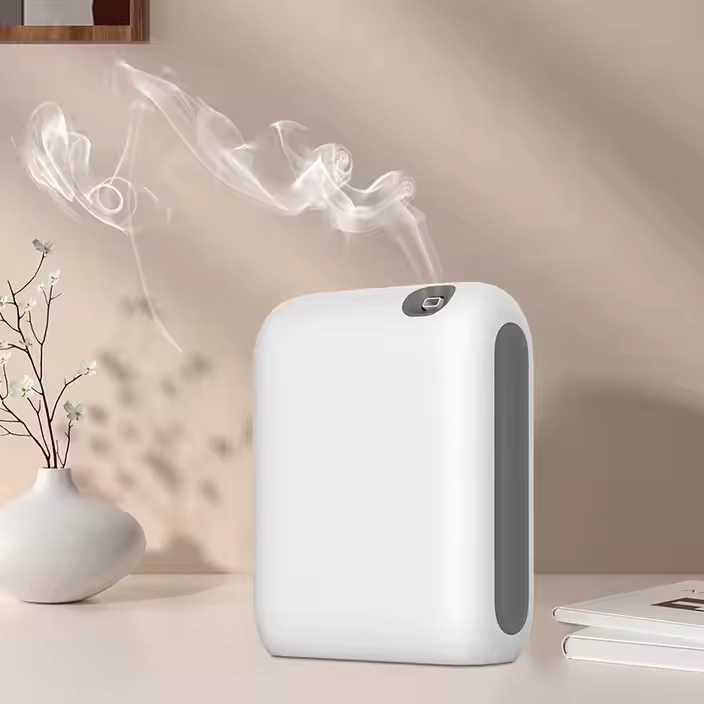
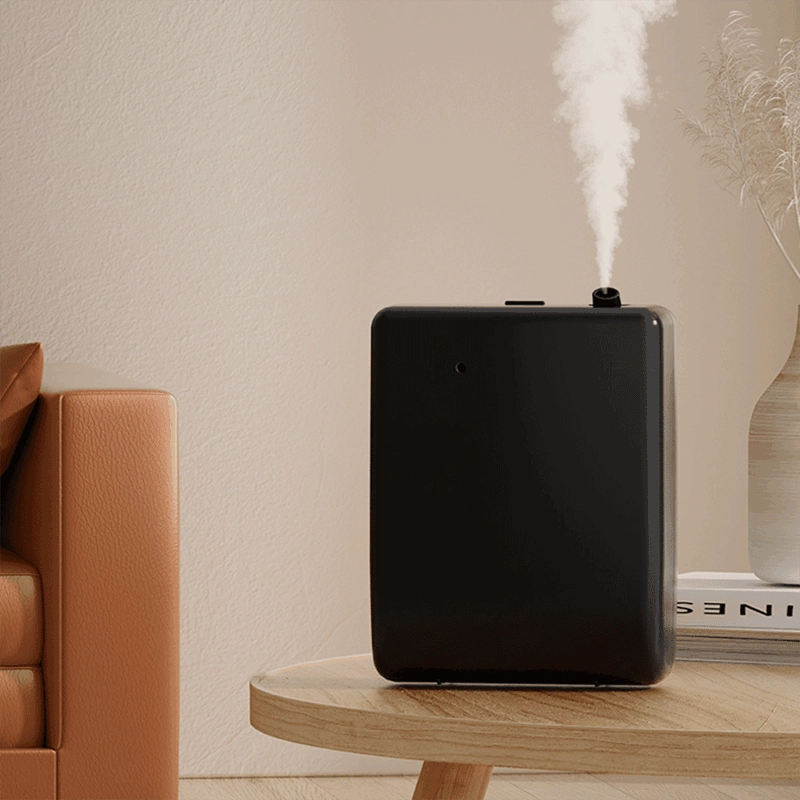
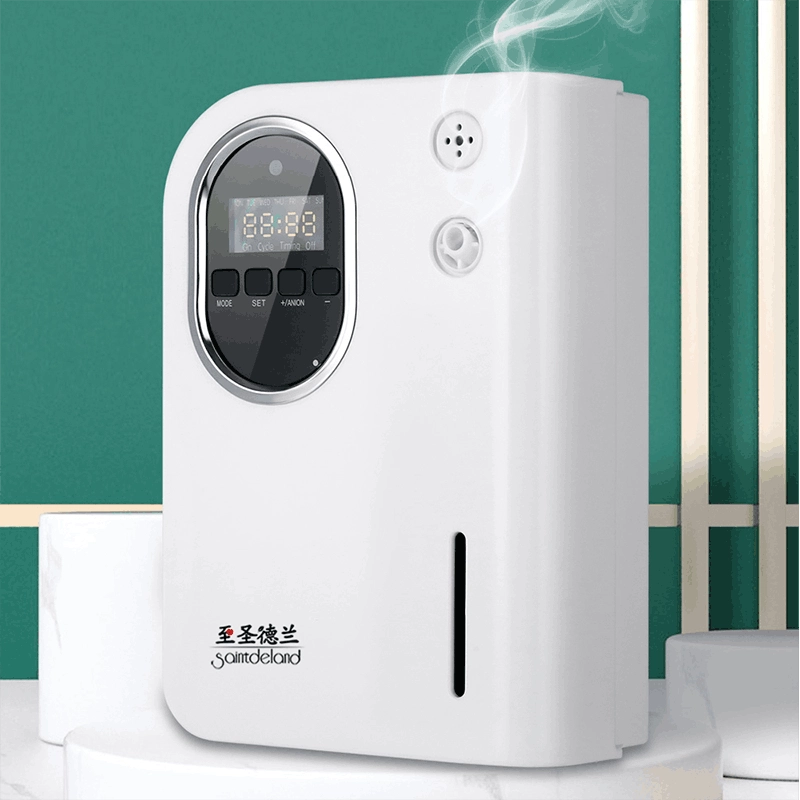
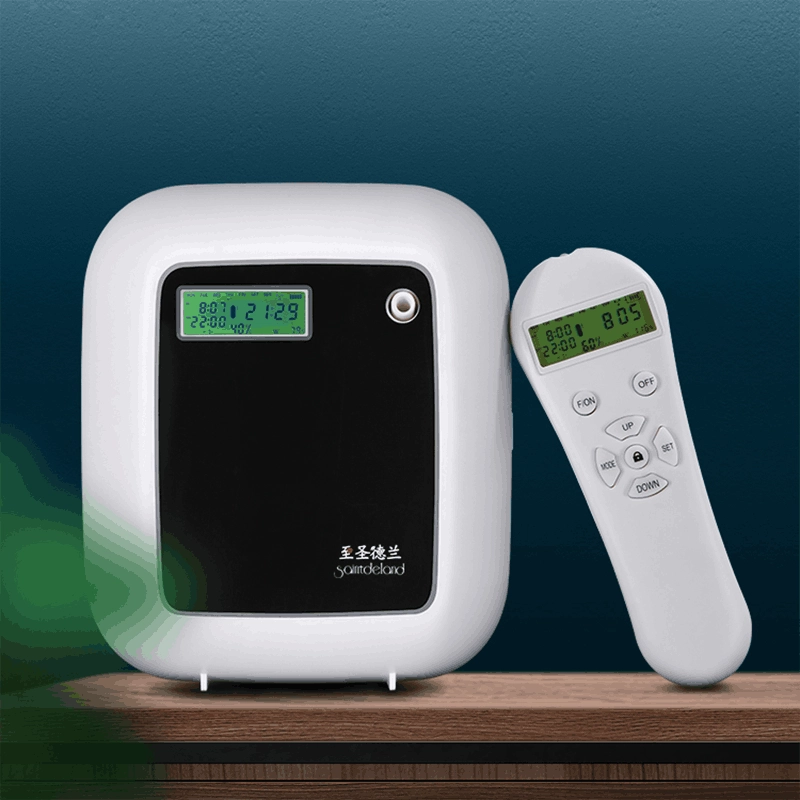
SDL308
How to deal with situations where fog does not appear?
Suggest checking the remaining essential oil and cotton core status, or executing the cleaning mode through the APP. If the problem persists, please contact after-sales service.
About Products
Does your product comply with EU/US safety standards?
Do your essential oils contain any allergens?
OEM/ODM Services
What is the difference between OEM and ODM services?
OEM (Original Equipment Manufacturer) means we produce products based on your design, specifications, and brand. ODM (Original Design Manufacturer) means we offer ready-made products or create new ones based on our own R&D, which you can rebrand.
SDL302
What should I do if the fragrance diffuser malfunctions?
If encountering a malfunction, you can first refer to the troubleshooting guide in the product manual; If the issue cannot be resolved, please contact our customer service personnel, and we will provide professional after-sales support.

Leave a Message
You can also communicate with us directly through our online contact form.
Please fill in the following information, and our team will contact you as soon as possible after receiving your message.
Rest assured that your privacy is important to us, and all information provided will be handled with the utmost confidentiality.
Let's get in touch
Email: huangxiuqing132@outlook.com
Tel: +86 180 1180 4432
WhatsApp: +86 185 9400 4460
Facebook
YouTube
TikTok