














Coverage Area Guide for Diffusers: The Ultimate Expert Handbook for Perfect Scent Distribution
- Understanding diffuser coverage area
- Core Factors That Influence Coverage
- Diffuser Types and Coverage Comparison
- How to Calculate the Right Coverage
- Coverage Recommendations by Space Type
- How to Optimize diffuser coverage area
- Common Mistakes and Solutions
- FAQs
- 1. What is the ideal diffuser coverage area for home use?
- 2. Can one diffuser cover multiple rooms?
- 3. Does ceiling height really matter?
- 4. Is it better to oversize a diffuser?
- 5. How often should I adjust diffuser settings?
- 6. Do essential oils affect coverage?
- Conclusion

Understanding diffuser coverage area
The concept of diffuser coverage area is fundamental when designing an effective scenting strategy. Whether used in a home, office, or commercial environment, a diffuser must match the spatial requirements to deliver a consistent and pleasant fragrance experience.
In simple terms, diffuser coverage area refers to the maximum space in which a diffuser can evenly distribute scent at an optimal intensity. While manufacturers often provide a recommended range, real-world performance depends on environmental conditions and usage patterns.
A properly selected diffuser ensures that scent is noticeable but not overpowering. If the unit is too small, fragrance becomes faint and inconsistent. If it is too large, the scent may feel overwhelming and uncomfortable. This balance is what defines professional scenting.
From a practical standpoint, coverage is not just about square footage—it also includes air volume, airflow behavior, and scent diffusion technology. Understanding these variables allows users to move beyond guesswork and toward precision.
Core Factors That Influence Coverage
Several key variables determine how effectively a diffuser performs in a given space. Instead of viewing them separately, it is more useful to understand how they interact as a system.
| Factor | Impact on Coverage | Practical Insight |
|---|---|---|
| Room Size | Defines baseline requirement | Larger spaces need higher output |
| Ceiling Height | Increases air volume | Higher ceilings dilute scent |
| Airflow | Distributes or removes scent | Balanced airflow improves reach |
| Diffuser Type | Controls particle size | Smaller particles travel farther |
| Oil Strength | Affects scent persistence | Strong oils extend coverage |
Room size and layout set the foundation. Open-plan environments require more powerful diffusion than segmented spaces. Ceiling height adds complexity, as taller spaces demand more output to maintain scent at breathing level.
Airflow plays a dual role. Proper circulation helps spread fragrance evenly, but excessive ventilation can weaken scent concentration. This is especially relevant in commercial environments with active HVAC systems.
Finally, diffuser technology and oil composition determine how scent behaves once released. High-efficiency systems produce finer particles, allowing for broader and more uniform coverage.
Diffuser Types and Coverage Comparison
Not all diffusers are created equal. Each type offers different coverage capabilities based on its operating mechanism.
| Diffuser Type | Coverage Range | Best Use Case | Key Advantage |
|---|---|---|---|
| Ultrasonic | Small–Medium | Homes, bedrooms | Gentle and quiet |
| Nebulizing | Medium–Large | Offices, retail | Strong scent output |
| HVAC | Large–Very Large | Hotels, malls | Full-space integration |
| Passive (Reed/Heat) | Very Small | Bathrooms | Simple and low cost |
Ultrasonic diffusers are ideal for personal spaces but may struggle in larger environments. Nebulizing diffusers provide stronger and more consistent scent distribution without dilution.
HVAC systems represent the most advanced solution, distributing fragrance through air ducts for seamless coverage. Passive diffusers, while convenient, are limited in both control and range.
Choosing the right type depends on your target diffuser coverage area and the level of control required.
How to Calculate the Right Coverage
Selecting the correct diffuser begins with accurate measurement. Many users rely solely on square footage, but this approach can lead to underperformance. A more reliable method considers both area and volume:
| Space Type | Recommended Approach |
|---|---|
| Low ceilings | Use square footage |
| High ceilings | Use cubic volume |
| Commercial spaces | Add 20–30% buffer |
In practice, it is advisable to choose a diffuser rated slightly above your calculated requirement. This provides flexibility and ensures consistent scent output under varying conditions.
Avoid exact matching, as real-world factors such as airflow and occupancy can reduce effective coverage.
Coverage Recommendations by Space Type
Different environments require tailored approaches to scenting. The table below summarizes typical needs:
| Environment | Coverage Range | Recommended Solution |
|---|---|---|
| Bedroom | 200–500 sq. ft. | Ultrasonic diffuser |
| Living Room | 500–1,500 sq. ft. | Mid-range nebulizer |
| Retail Store | 1,000–3,000 sq. ft. | High-output diffuser |
| Hotel Lobby | 3,000–10,000+ sq. ft. | HVAC system |
Residential spaces benefit from subtle and adjustable scenting. Commercial environments, on the other hand, require consistency and scalability.
Understanding your environment helps align expectations with performance.
How to Optimize diffuser coverage area
Optimizing diffuser coverage area is not just about selecting the right device—it’s about using it strategically.
1.Placement Strategy
Position diffusers where airflow naturally circulates, such as near entrances or central zones. Avoid corners or enclosed areas that restrict scent movement.
2.Multi-Unit Setup
For large or irregular spaces, multiple diffusers provide better coverage than a single oversized unit. This approach improves uniformity and reduces scent gaps.
3.Scheduling and Control
Modern diffusers offer programmable settings that allow users to adjust intensity throughout the day. This ensures consistent scent while conserving resources.
👉 For deeper insights into smart scent control, visit:
How to Program Your Perfect Day: Using Scent Scheduling Features to Boost Productivity and Sleep
Common Mistakes and Solutions
Even with the right equipment, improper usage can limit performance. Below is a concise troubleshooting guide:
| Problem | Cause | Solution |
|---|---|---|
| Weak scent | Undersized diffuser | Upgrade capacity |
| Overpowering scent | Excess output | Reduce intensity |
| Uneven coverage | Poor placement | Reposition units |
Avoiding these common mistakes ensures a more professional and enjoyable scenting experience.
FAQs
1. What is the ideal diffuser coverage area for home use?
Most homes require diffusers covering between 300 and 1,500 square feet.
2. Can one diffuser cover multiple rooms?
Only if airflow connects the spaces; otherwise, multiple units are recommended.
3. Does ceiling height really matter?
Yes, higher ceilings significantly increase the volume of air that needs to be scented.
4. Is it better to oversize a diffuser?
Slightly oversizing is beneficial, but excessive power can lead to over-scenting.
5. How often should I adjust diffuser settings?
Adjust based on occupancy and time of day for best results.
6. Do essential oils affect coverage?
Yes, stronger oils diffuse farther and last longer.
Conclusion
Mastering diffuser coverage area allows you to create a perfectly balanced scent environment—one that is consistent, inviting, and tailored to your space. By combining the right diffuser type, proper sizing, and smart optimization techniques, you can achieve professional-level results in both residential and commercial settings.
🌐 Explore professional diffuser solutions here:
https://www.saintdeland.com/
Start transforming your space today with scent strategies that deliver impact, consistency, and lasting impressions.
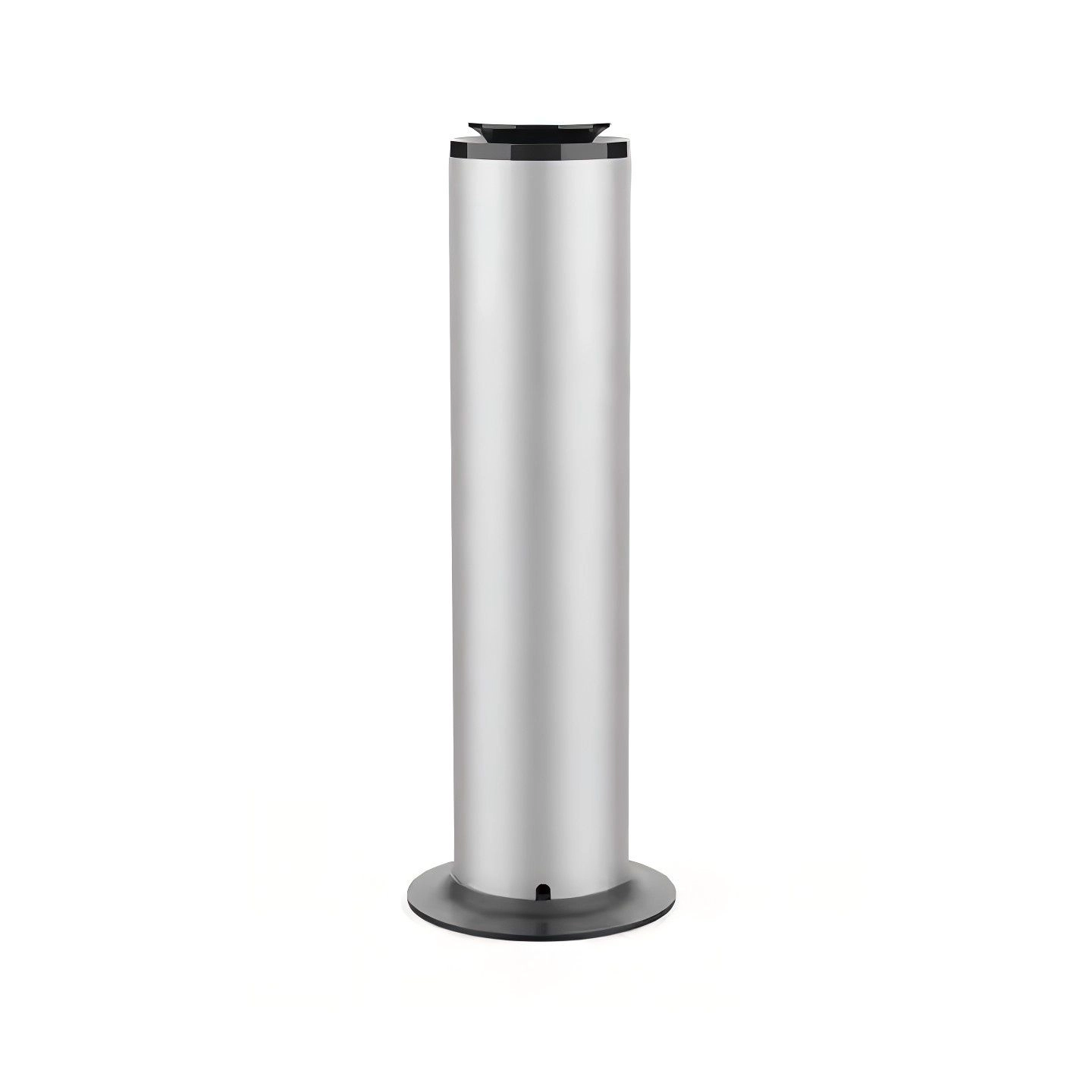
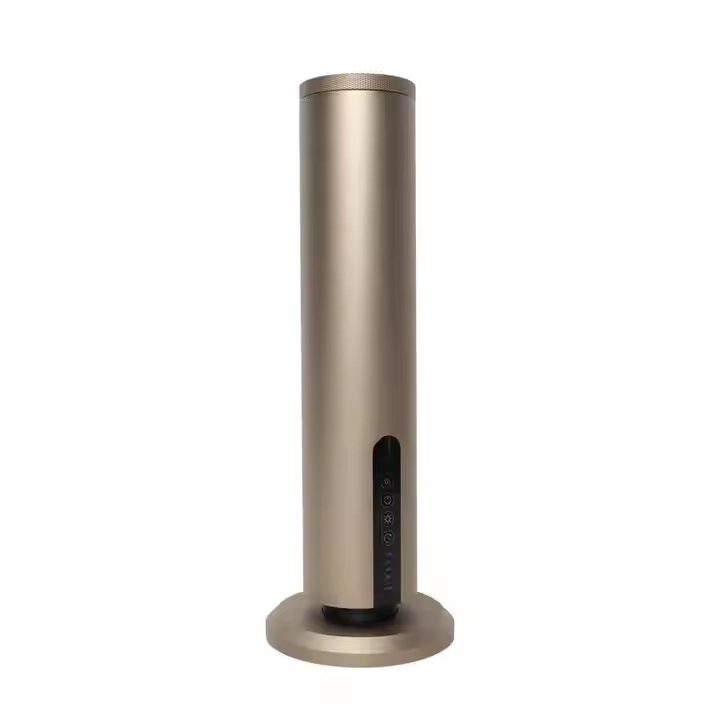
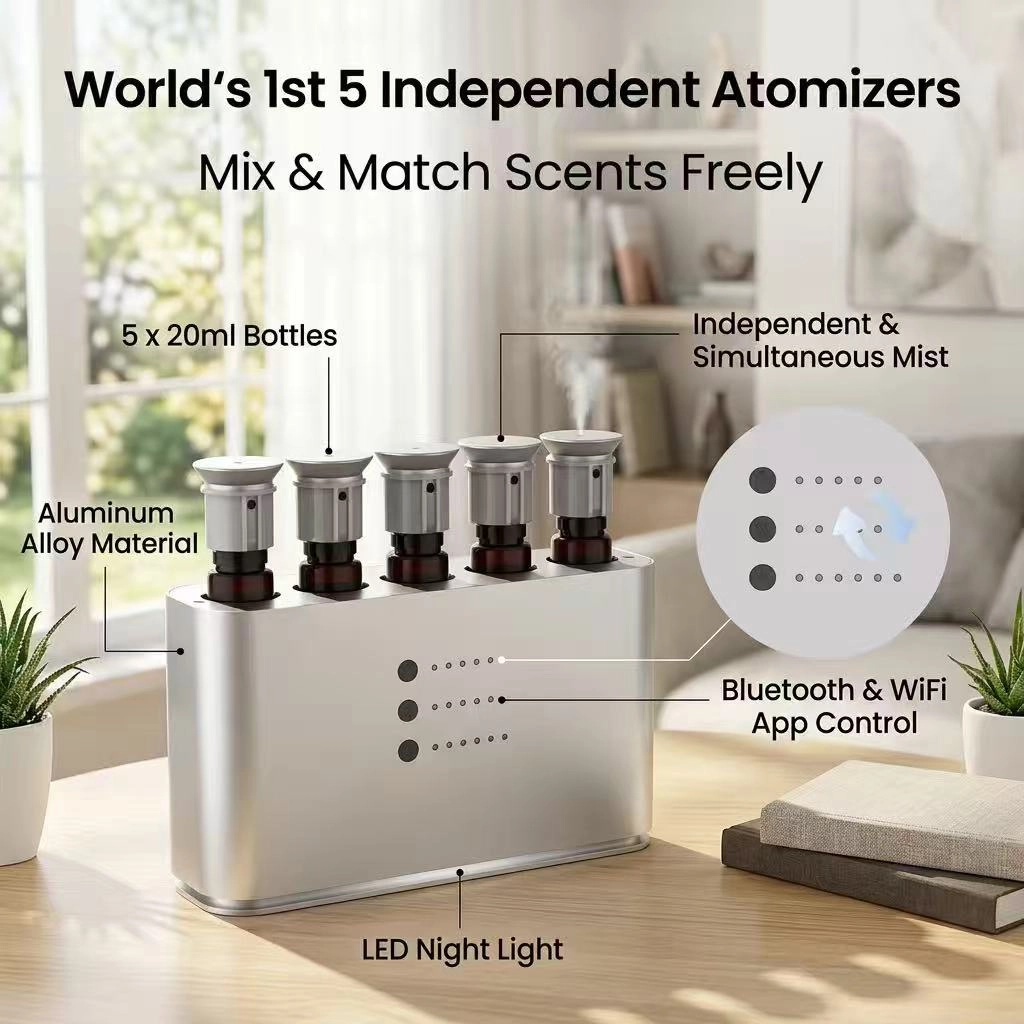
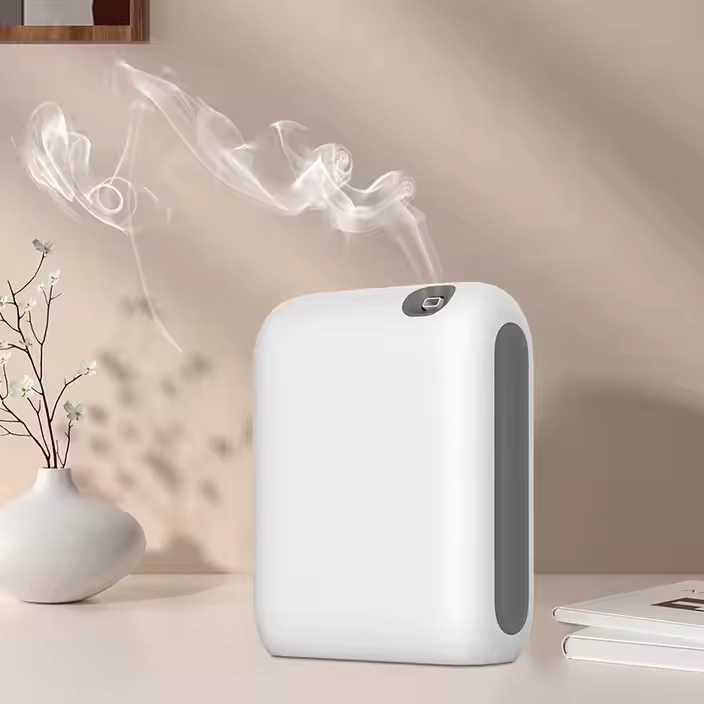
C004 pro
How to deal with the malfunction of the air freshener?
If the fragrance machine fails, you can refer to the instruction manual for troubleshooting; if it cannot be solved, please contact customer service in time, we will provide professional after-sales maintenance service.
How often do you need to add essential oils to your fragrance machine?
The cycle of adding essential oils depends on the frequency of use and the concentration setting of the fragrance. Under normal use, the capacity of 130ml essential oil can be used for about 1-2 weeks.
SDL305
How long can I use a full tank of essential oil?
The specific usage duration is related to the set atomization frequency and working time. Generally, 130ml essential oil can be used continuously for 7-10 days in normal mode.
C001
Can it be used in humid environments?
It is not recommended to use in a humid environment. Although the incense machine has certain moisture-proof ability, the humid environment may affect the performance of electronic components and shorten the service life of the product.
C008
Is it supported to use multiple essential oils?
Most water-soluble essential oils are supported, but to ensure the best use effect and equipment life, it is recommended to use product recommended or regular brand essential oils.

Leave a Message
You can also communicate with us directly through our online contact form.
Please fill in the following information, and our team will contact you as soon as possible after receiving your message.
Rest assured that your privacy is important to us, and all information provided will be handled with the utmost confidentiality.
Let's get in touch
Email: huangxiuqing132@outlook.com
Tel: +86 180 1180 4432
WhatsApp: +86 185 9400 4460
Facebook
YouTube
TikTok