














Saintdeland 301: ROI for Buyers of Commercial Fragrance Machines
- Saintdeland 301: Measuring ROI for Buyers of a Commercial Fragrance Machine
- What a commercial fragrance machine delivers: value drivers and KPIs
- Saintdeland 301 overview: technical features that affect ROI
- How to calculate ROI for a commercial fragrance machine
- Efficiency and cost comparison: Saintdeland 301 vs common alternatives
- Operational use cases and deployment strategies for maximum ROI
- Fragrance consumption, maintenance and running costs
- Safety, air quality and regulatory considerations
- Quantifying intangible benefits: brand and customer perception
- Brand summary: Why choose Saintdeland 301 as your commercial fragrance machine
- Pricing considerations and procurement tips
- Frequently Asked Questions (FAQ)
- Q: How many Saintdeland 301 units are needed to scent a 1,200 m² retail floor?
- Q: What are the ongoing operating costs for the Saintdeland 301?
- Q: Is the nano-sized mist safe for indoor air quality?
- Q: Can I control multiple Saintdeland 301 units centrally?
- Q: How quickly will I see ROI after deploying a Saintdeland 301?
- Contact / View the Product
- Authoritative references

Saintdeland 301: Measuring ROI for Buyers of a Commercial Fragrance Machine
Choosing the right commercial fragrance machine requires balancing upfront cost, operating expense, performance across large spaces, and measurable business benefits such as customer satisfaction, brand perception, and employee wellbeing. This guide evaluates the Saintdeland 301 Bluetooth Intelligent Fragrance Machine | APP Intelligent Control Two Fluid Atomization 300 ㎡ Space Fragrance Master (Saintdeland 301) from an ROI perspective and gives practical guidance for buyers in retail, hospitality, corporate and facility management roles.
What a commercial fragrance machine delivers: value drivers and KPIs
Before calculating ROI, define the value drivers you will measure. A commercial fragrance machine contributes to revenue and cost savings in several ways:
- Customer experience: improved dwell time and higher purchase likelihood in retail and hospitality settings.
- Brand perception: consistent signature scent reinforces brand identity and can justify High Quality pricing.
- Employee wellbeing: pleasant indoor environments correlate with higher satisfaction and lower turnover.
- Operational efficiency: remote control, low maintenance and low energy consumption reduce ongoing costs.
Key performance indicators (KPIs) to track for ROI calculations include incremental revenue per square meter, average transaction value uplift, maintenance hours, fragrance refill consumption, electricity and battery costs, and customer satisfaction metrics (NPS, dwell time, surveys).
Saintdeland 301 overview: technical features that affect ROI
The Saintdeland 301 blends technology and design to optimize both fragrance diffusion and operating costs. Core features relevant to ROI include:
- Two fluid atomization black technologies that convert 150 ml of essential oil into nano-sized mist particles, reducing wetting and improving scent dispersion across large areas.
- Dual fragrance-spreading system designed for spaces up to 300 m², enabling coverage of retail floors, lobbies and open-plan offices with fewer units.
- Dual power supply: operates on 2 No. 1 batteries or DC5V, with ultra-low power consumption of 0.7W—this lowers ongoing energy costs and provides backup power flexibility during outages.
- APP intelligent control and Bluetooth connectivity allowing remote scheduling, intensity control, and mode switching between humidification and essential oil atomization for operational efficiency.
- Silent design for a non-intrusive customer and employee experience.
How to calculate ROI for a commercial fragrance machine
ROI depends on both quantifiable gains and qualitative improvements. Here's a pragmatic 5-step approach:
- Estimate incremental revenue: Track sales before and after scent deployment or use controlled A/B testing within matched stores or days.
- Measure operating costs: Include fragrance refill consumption, electricity or battery replacement, routine maintenance, and staff time for upkeep.
- Amortize capital cost: Spread the device purchase cost over its useful life (typically 3–5 years for commercial scent diffusers depending on model and usage).
- Quantify non-revenue benefits: Use surveys to quantify improvements in NPS, customer satisfaction, and employee retention costs avoided.
- Calculate ROI: (Total benefits over timeframe − Total costs over timeframe) ÷ Total costs over timeframe.
Example: If a Saintdeland 301 costs $800, produces a $2,000 annual incremental gross margin uplift across a store cluster due to higher basket size, and has annual operating costs of $200, annual ROI = ($2,000 − $200 − $266 (annualized capital over 3 years)) ÷ ($800 + $200 + $266) — simplified for demonstration. Real deployments should use measured KPIs for accuracy.
Efficiency and cost comparison: Saintdeland 301 vs common alternatives
To decide if Saintdeland 301 is the right commercial fragrance machine, compare it to ultrasonic diffusers, passive evaporative systems, and HVAC injection systems. The table below highlights typical differences relevant to ROI.
| Feature | Saintdeland 301 (Two-fluid atomization) | Ultrasonic Diffuser | HVAC Injection System |
|---|---|---|---|
| Coverage | Up to 300 m² per unit (dual-spread) | Small rooms to 50 m² | Building-wide via ducts |
| Particle size & wetting | Nano-sized mist, low wetting risk | Micron-sized droplets; higher wetting risk | Controlled via HVAC; dependent on system design |
| Power/energy | 0.7W (very low), battery + DC5V | Higher power draw; mains required | Centralized energy use; installation costs higher |
| Control & scheduling | App/Bluetooth remote control | Basic timers/smart plugs | Integrated BMS control (requires setup) |
| Installation & maintenance | Plug-and-play, low maintenance | Simple but frequent refills/cleaning | Professional installation and ductwork maintenance |
| Perceived cost | Mid-range per unit; fewer units required for large spaces | Low unit cost but many units needed | High initial cost; scalable |
Operational use cases and deployment strategies for maximum ROI
Deploying a Saintdeland 301 effectively increases ROI when paired with a clear strategy:
- Retail: Place units in high-dwell areas (fitting rooms, lounge corners, main aisles). Use scheduled scent boosts during peak traffic to influence dwell time and spending.
- Hospitality: Use scent as part of brand signature in lobbies, spa areas, and suites. Coordinate scents with marketing campaigns and seasonal offers.
- Corporate: In reception and meeting spaces to create a calm, professional impression—track employee satisfaction over time.
- Facilities & public spaces: For odor masking in restrooms or waste areas; combine with ventilation strategies for best results.
Because the Saintdeland 301 supports APP intelligent control, administrators can remotely fine-tune schedules and intensity across multiple deployed units—reducing service visits and optimizing fragrance consumption.
Fragrance consumption, maintenance and running costs
Accurate ROI estimates require realistic fragrance consumption rates. The Saintdeland 301 converts 150 ml of essential oil into nano-mist efficiently. Consumption varies by intensity and run hours, but typical consumption ranges can be estimated as follows:
- Low-use (office): 150 ml lasts several weeks to a month.
- Moderate-use (retail): 150 ml lasts 2–4 weeks depending on runtime.
- High-use (hospitality/event spaces): 150 ml may require weekly replacement during peak periods.
Maintenance is minimal: periodic refilling, occasional cleaning of atomization components, and battery replacement only if DC power is unavailable. The device's low 0.7W consumption greatly reduces electricity costs compared with higher-powered units.
Safety, air quality and regulatory considerations
When deploying any commercial fragrance machine, consider indoor air quality (IAQ) best practices and regulations. Use high-quality fragrance oils formulated for commercial use and ensure adequate ventilation. The Saintdeland 301's nano-sized mist and low wetting design reduce residue risks, but operators should still follow manufacturer guidance for safe concentrations and placement. For guidance on IAQ and indoor pollutants, refer to authoritative sources.
Quantifying intangible benefits: brand and customer perception
Some of the highest ROI gains from scent marketing are intangible but measurable: enhanced brand recall, improved customer moods and a stronger sense of perceived cleanliness. Businesses often track these via surveys, dwell-time analytics and transaction data. A/B testing—deploying scent in one store and not in another—can isolate the financial impact on basket size and conversion rates.
Brand summary: Why choose Saintdeland 301 as your commercial fragrance machine
When compared to other options, the Saintdeland 301 offers a compelling balance of performance, control and running cost efficiency that supports quick ROI realization:
- High coverage per unit (up to 300 m²), reducing capital outlay for large spaces.
- Low power consumption and battery backup for resilient, low-cost operation.
- Advanced two-fluid atomization to produce nano-sized mist that minimizes wetting and improves scent uniformity.
- App-driven control for centralized management, scheduling and optimization—reducing maintenance labor and fragrance waste.
Pricing considerations and procurement tips
To maximize ROI, consider the following procurement tips:
- Buy based on coverage: Calculate how many 300 m² coverage units you need rather than purchasing many small diffusers.
- Factor in fragrance cost per ml and expected consumption by intensity settings.
- Leverage pilot deployments to measure real uplift before full rollouts.
- Negotiate service and refill contracts that align with measured usage patterns.
Frequently Asked Questions (FAQ)
Q: How many Saintdeland 301 units are needed to scent a 1,200 m² retail floor?
A: The Saintdeland 301 is rated for up to 300 m² per unit using its dual fragrance-spreading system, so a 1,200 m² space would typically require four units. Adjust for layout, airflow patterns and partitioning.
Q: What are the ongoing operating costs for the Saintdeland 301?
A: Ongoing costs include fragrance refills (consumption varies with runtime), occasional cleaning/maintenance, and battery replacements if DC power is not used. The device's 0.7W consumption makes electricity costs negligible in most commercial budgets.
Q: Is the nano-sized mist safe for indoor air quality?
A: Nano-sized mist improves dispersion and reduces surface wetting. To maintain IAQ, use quality fragrance oils intended for nebulization/diffusion and ensure adequate ventilation. Follow product guidelines and local IAQ recommendations.
Q: Can I control multiple Saintdeland 301 units centrally?
A: Yes. Bluetooth and APP intelligent control allow scheduling, intensity adjustments and mode switching remotely. For multi-site deployments, coordinate device management practices for consistency.
Q: How quickly will I see ROI after deploying a Saintdeland 301?
A: ROI timing varies by industry and deployment strategy. Many retailers and hospitality operators observe measurable uplifts in customer metrics (dwell time, basket size) within weeks of implementation. Running a 30–90 day pilot with clear KPIs is recommended to quantify ROI.
Contact / View the Product
To evaluate the Saintdeland 301 for your space and receive a tailored ROI estimate, contact our sales team or view product specifications and deployment case studies. Our experts can help design a pilot and provide consumption-based cost projections.
A comprehensive ROI evaluation naturally leads savvy buyers back to the fundamentals of energy and atomization efficiency, which underpins cost-effectiveness over time.
To revisit the technological drivers of performance, head back to Energy & Chemical Efficiency: Two-Fluid Atomization Benefits.
Authoritative references
- Overview of aromatherapy and scent diffusion: https://en.wikipedia.org/wiki/Aromatherapy
- Humidifiers and ultrasonic diffusion methods: https://en.wikipedia.org/wiki/Humidifier#Ultrasonic_humidifiers
- Nebulizer (principles of atomization): https://en.wikipedia.org/wiki/Nebulizer
- Indoor air quality guidance (U.S. EPA): https://www.epa.gov/indoor-air-quality-iaq
- Industry standards and HVAC guidance: https://www.ashrae.org/
References above are provided for readers who want to review background science and indoor air quality considerations while planning a commercial fragrance deployment.
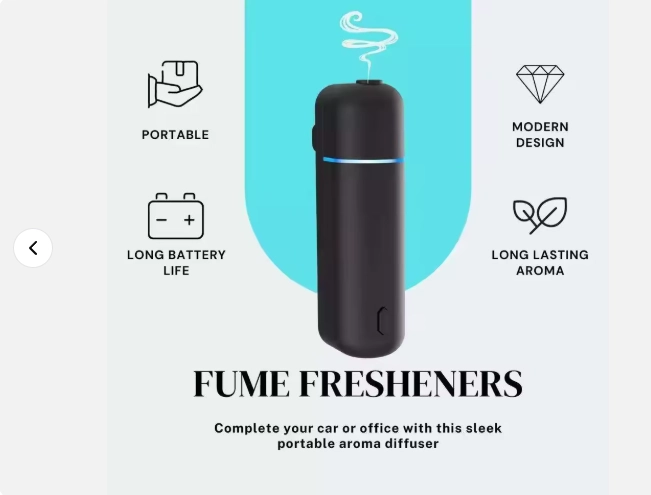
MOQ, pricing, and lead times for car scent diffusers
How to Choose the Right Commercial Fragrance Machine
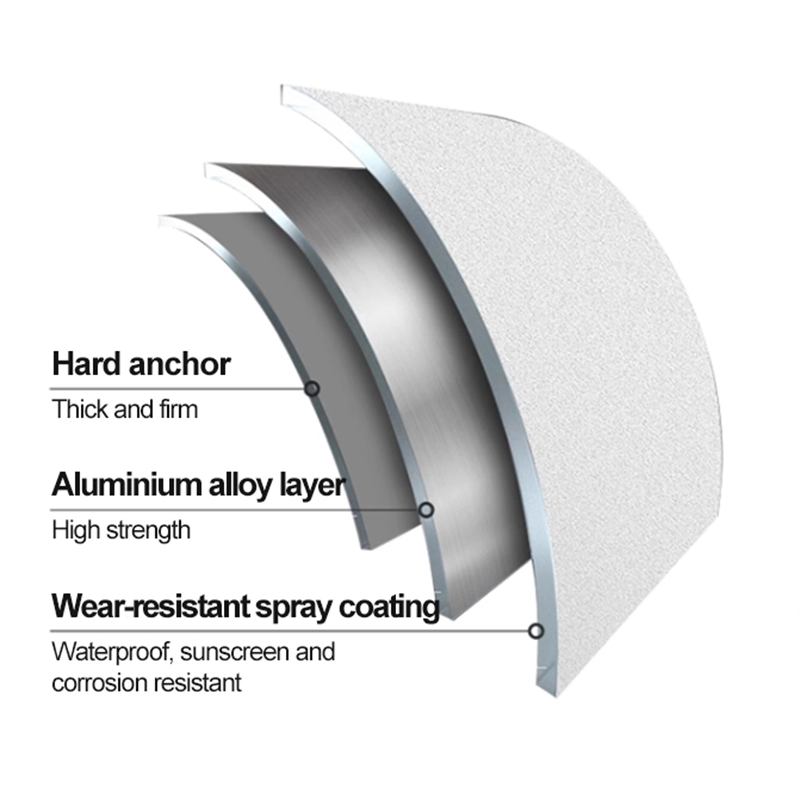
Best Scents for Office and Retail: Long-Lasting Diffuser Oils
What are the application scenarios of automatic aromatherapy machine?
C004 pro
How to deal with the malfunction of the air freshener?
If the fragrance machine fails, you can refer to the instruction manual for troubleshooting; if it cannot be solved, please contact customer service in time, we will provide professional after-sales maintenance service.
SDL303
What essential oils can be used in a fragrance diffuser?
It is recommended to use pure natural plant essential oils and avoid using essential oils containing chemical additives and pigments to avoid affecting equipment performance and fragrance-spreading effect.
What should I do if the fragrance diffuser malfunctions?
If encountering a malfunction, you can first refer to the troubleshooting guide in the product manual; If the issue cannot be resolved, please contact our customer service personnel and we will provide professional after-sales support.
C007
Is it supported to use a variety of essential oils?
Most water-soluble essential oils are supported, but in order to ensure the best use effect and equipment life, it is recommended to use product recommendation or regular brand essential oils.
SDL308
How often do I need to add essential oils?
According to the frequency of use and concentration settings, if the 200ml essential oil warehouse is used normally for 3-7 days, the APP will issue a surplus warning in advance.
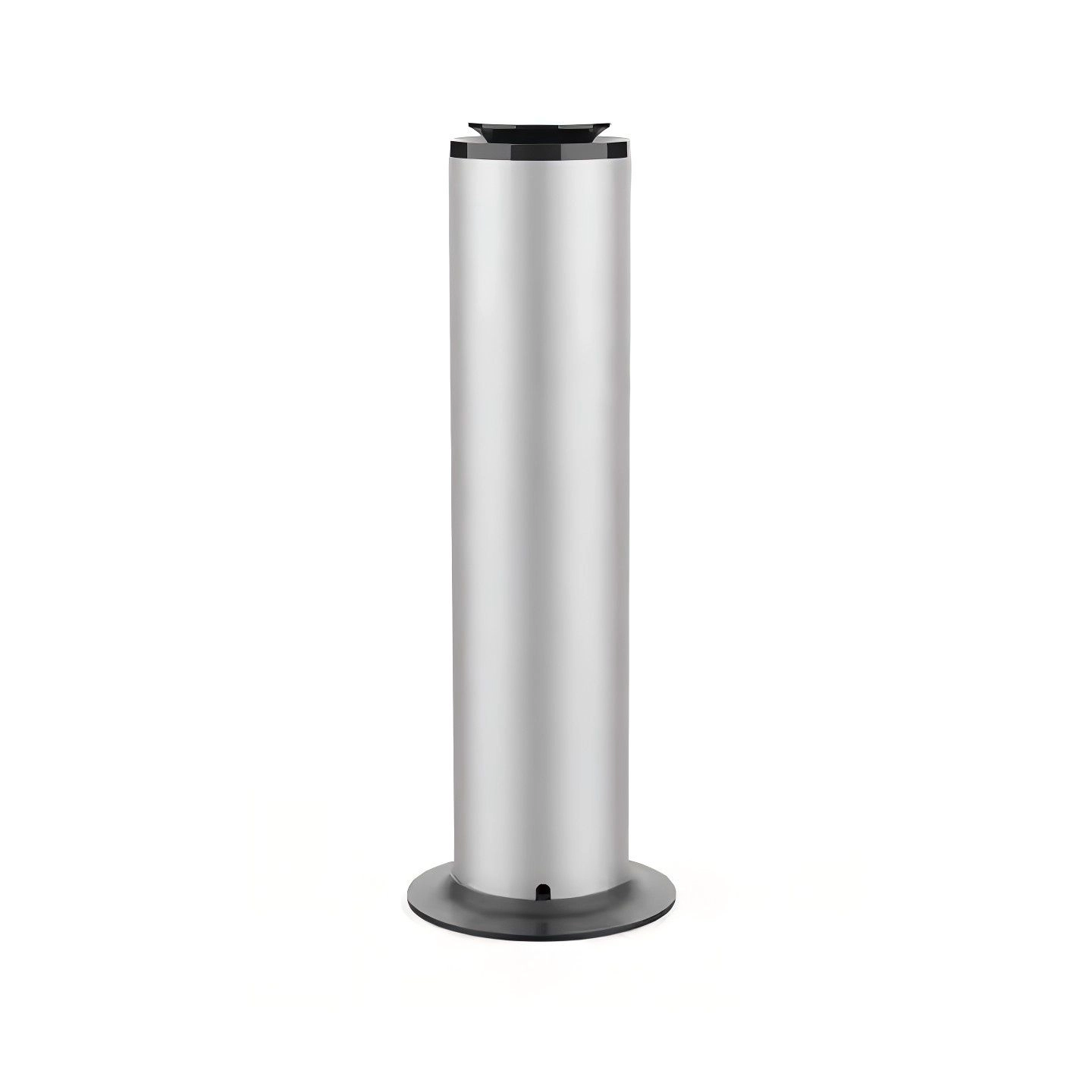
Saintdeland 609 floor standing scent diffuser | household
New Style Metal Smart Home Scent air Machine Electric 120ML Waterless Essential Oil Diffuser Hotel Tower Scent Machine
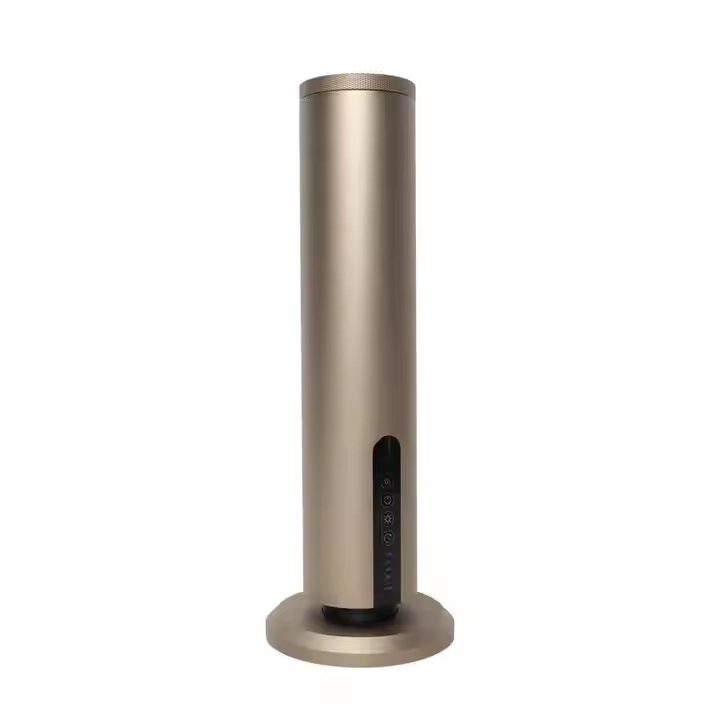
Saintdeland 802 Smart Aroma Diffuser | Bluetooth APP control | sleep aid
Top Sale Portable Wireless Battery Scent Diffuser 100ML Rechargeable Tabletop Essential Oil Home Aroma Diffuser
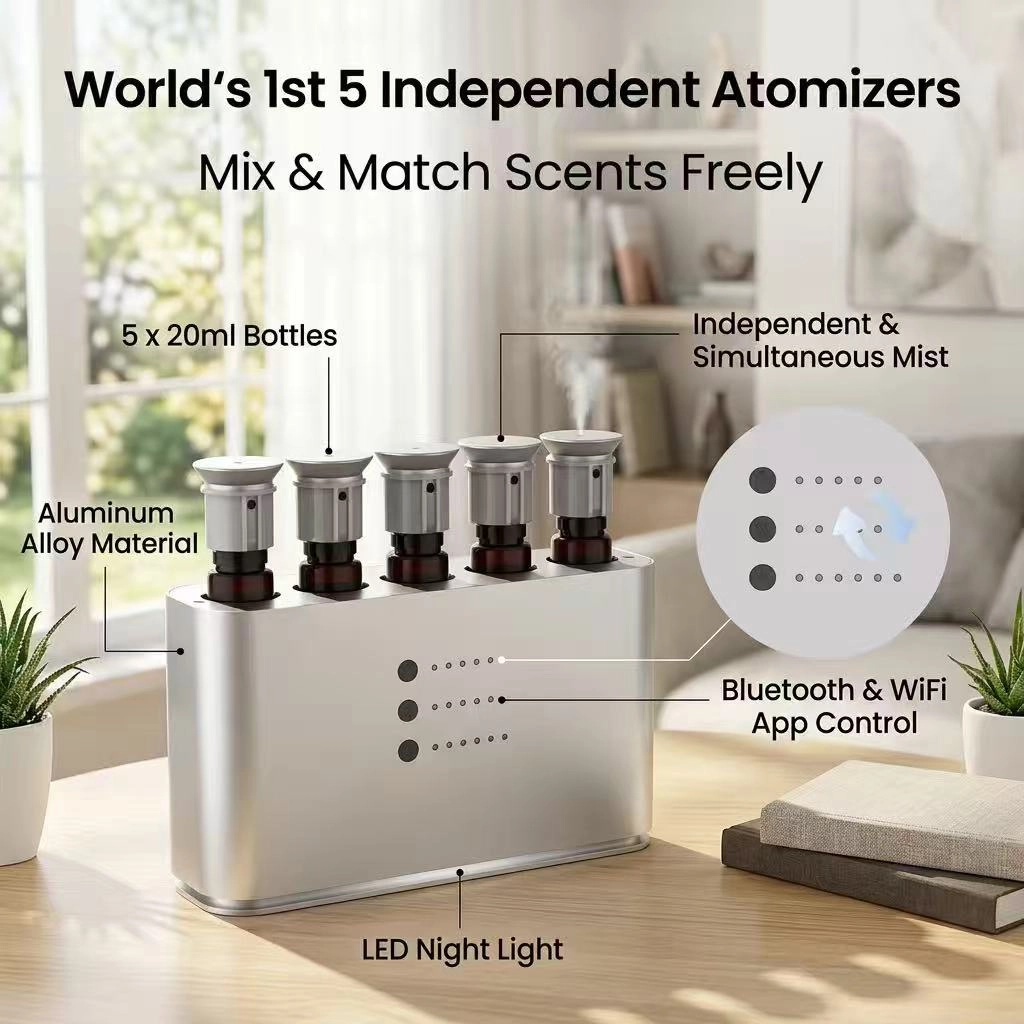
Saintdeland 311 Factory Direct Large Capacity 5-Tank Waterless Electric Essential Oil Diffuser Smart WiFi Control for Hotel Home Use
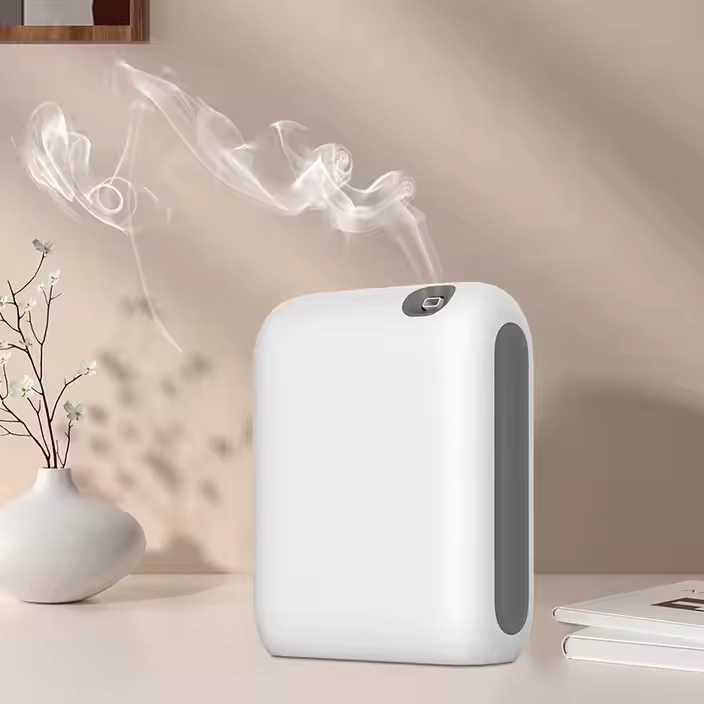
Saintdeland 308 Bluetooth Intelligent Two Fluid Nebulization Diffuser | 400 ㎡+Efficient Coverage Silent Nano level Fragrance Master
The SDL308 intelligent fragrance diffuser innovates the fragrance experience, using two fluid atomization black technologies to instantly transform 200 ml of essential oil into a nano-level fragrance mist, paired with a fan for dual diffusion, immersing a 400-500 square meter space in rich fragrance in seconds.
Through the Bluetooth smart control of the mobile app, concentration adjustment and timed switch can be controlled in one hand to meet personalized fragrance needs. The body is made of environmentally friendly plastic, with a simple white appearance that can be used in various scenarios. The operating noise is less than 35 decibels, which can bring a quiet and high-end olfactory enjoyment whether it is for home rest, office meetings, or commercial space hospitality.
Let's get in touch
Email: huangxiuqing132@outlook.com
Tel: +86 180 1180 4432
WhatsApp: +86 185 9400 4460
Facebook
YouTube
TikTok