














Replacement refills: cost and compatibility guide
- How scent delivery systems work and why refill type matters
- Core diffusion technologies
- Refill formats: cartridges, bottles, and concentrates
- Why manufacturer guidance and IFRA/ISO standards matter
- Cost breakdown for replacement refills: what you actually pay
- Direct cost: price per mL and per month
- Indirect and lifecycle costs
- Retail vs subscription: when a subscription makes sense
- Compatibility and choosing the right refill for your fragrance machine for home
- How to read device specs for compatibility
- Chemical compatibility and safety
- Interoperability examples and practical checks
- Maintenance, safety, and environmental considerations
- Storage, shelf life, and degradation
- Disposal and recyclability
- Minimizing indoor air risks
- Why Saintdeland Fragrance—industry strengths and what it means for you
- Company background and technical advantage
- Production ecosystem, product range, and support
- Making the right choice: step-by-step decision checklist
- Practical checklist
- Real-world example (typical home setup)
- FAQs
- 1. Can I use any fragrance oil in my home fragrance machine?
- 2. How often should I replace refills in a fragrance machine for home?
- 3. Are cheaper refills always lower quality?
- 4. How can I verify a refill is IFRA-compliant?
- 5. What's the safest way to dispose of used cartridges or empty cans?
- 6. Do refills affect indoor air quality?
As someone who has worked with fragrance systems, aromatherapy machines, and scent diffusion projects across residential and commercial applications, I know that replacement refills are often the most overlooked operational cost and technical pain point for owners of a fragrance machine for home. In this guide I summarize how different refill formats work, how to evaluate true cost (not just sticker price), how to check compatibility with common scent diffusers and perfume machines, and how to minimize risk from VOCs or improper chemistry while maximizing scent performance and device longevity.
How scent delivery systems work and why refill type matters
Core diffusion technologies
Understanding refill compatibility starts with how the device disperses fragrance. Common technologies include:
- Ultrasonic/atomizing (micro-droplet) systems — used in many modern aromatherapy machines and fragrance machines for home. These create an aerosol of micro-droplets using high-frequency vibrations, requiring low-viscosity liquid refills formulated for atomization.
- Nebulizing diffusers — use pressurized air to atomize pure essential oils; they demand 100% essential oil (no solvents or carriers).
- Heated evaporative systems and reed diffusers — rely on heat or capillary action, typically compatible with higher-viscosity blends and carriers.
- Aerosol or compressed-gas sprayers — proprietary cans that rely on propellants and are usually device-specific.
Each method places different demands on viscosity, volatility, and solvent content of the refill. Matching these is essential to avoid clogged nozzles, degraded scent profile, or shortened device life.
Refill formats: cartridges, bottles, and concentrates
Refills generally come as:
- Plug-and-play cartridges/cartridges with built-in wicks — easy but often proprietary and pricier per mL.
- Bulk bottles or pouch refills — more economical but require careful pouring and sometimes adapters.
- Concentrates to be diluted — lowest shipping weight and cost, but require accurate dilution and compatible carriers.
Why manufacturer guidance and IFRA/ISO standards matter
Manufacturers design devices to operate within a specific range of fluid properties. Operating outside those parameters can void warranties. Additionally, fragrance formulation and safety are governed by industry rules such as IFRA guidance (International Fragrance Association) and material classifications like ISO standards for fragrance materials. For indoor air quality concerns, authoritative resources such as the EPA's overview on VOCs are useful (EPA – VOCs and indoor air).
Cost breakdown for replacement refills: what you actually pay
Direct cost: price per mL and per month
Sticker price is only the start. Calculate cost per mL and then per month based on your device's emission rate (mL/hour) and operating hours. Below is a representative comparison (typical market ranges; your device's consumption will vary):
| Refill Type | Typical Price Range (USD) | Approx. Price per mL | Typical Longevity (home use) | Compatibility |
|---|---|---|---|---|
| Proprietary cartridge | $15 – $45 per cartridge | $0.15 – $0.60/mL | 2–6 weeks | Device-specific |
| Bulk liquid bottle (diluted) | $20 – $60 per 250–500 mL | $0.04 – $0.25/mL | 1–3 months | Often universal if diluted properly |
| Concentrate (to dilute) | $30 – $120 per 250 mL concentrate | $0.01 – $0.10/mL after dilution | 2–6 months | Requires compatible carrier |
| Aerosol can | $8 – $30 per can | $0.05 – $0.30/mL | 1–4 weeks (spot use) | Usually device-specific |
Sources: price observations from manufacturer catalogs and market listings; real-world cost will depend on device emission settings and run-time. For device emission rates, consult your user manual or manufacturer's specifications.
Indirect and lifecycle costs
Factor in:
- Maintenance and cleaning supplies (descaling solutions for ultrasonic diffusers).
- Potential repairs from incompatible fluids (clogged nozzles, pump damage).
- Disposal or recycling costs for cartridges/aerosol cans.
- Subscription programs that offer cost savings versus on-demand purchases.
Retail vs subscription: when a subscription makes sense
Subscriptions can cut per-refill cost by 10–30% and provide predictable supply and auto-compatibility. However, they may lock you into a scent line and vendor markup. I recommend performing a 6–12 month total cost calculation comparing subscription pricing to bulk purchase plus estimated maintenance costs before committing.
Compatibility and choosing the right refill for your fragrance machine for home
How to read device specs for compatibility
Key specs to check:
- Acceptable viscosity (cP) or specific mention of 'compatible with water-based blends' or 'only for essential oil use.'
- Recommenced carrier types (e.g., water-glycol blends, alcohol-based, pure oils).
- Physical interface: cartridge shape, valve type, or adapter needs.
When in doubt, consult the manufacturer or use a manufacturer-recommended refill. Using off-label fluids may void warranties and create safety risks.
Chemical compatibility and safety
Fragrance mixes may contain solvents, carriers, and fragrance materials that interact with seals, plastics, and pump internals. IFRA guidance and safety data sheets (SDS) for each fragrance concentrate are essential references. For indoor air safety, consider VOC content and whether the fragrance adheres to IFRA restrictions—especially important for households with children, pets, or people with respiratory sensitivities (IFRA, EPA).
Interoperability examples and practical checks
Practical steps I use during compatibility checks:
- Review the SDS of the refill for solvents and surfactants that may attack device components.
- Test a small volume in an inconspicuous short-run to watch for discoloration, increased noise, or leaking.
- Confirm that fragrance intensity at the device's emission rate matches your comfort level; some carriers amplify volatility and produce stronger room impact.
Maintenance, safety, and environmental considerations
Storage, shelf life, and degradation
Most liquid refills last 12–36 months unopened, depending on formulation and preservative system. After opening, oxidation and evaporation change scent profile. Store refills in cool, dark places and follow manufacturer shelf-life guidance. For essential-oil-based concentrates, exposure to light and air accelerates rancidity.
Disposal and recyclability
Empty cartridges and aerosol cans are common waste streams. Many plastic cartridges are not widely recyclable due to residual liquid and mixed materials. Aerosols require special disposal in many jurisdictions. Check local waste regulations and inquire about manufacturer take-back or recycling programs to reduce environmental impact.
Minimizing indoor air risks
To reduce risk from VOCs and allergens:
- Use lower-emission settings and intermittent cycles rather than continuous high output.
- Ventilate periodically; open windows when first switching scents or when using a higher-emission product.
- Choose formulations labeled for indoor air safety and compliant with IFRA recommendations where applicable.
Authorities such as the WHO and EPA offer useful resources on indoor air quality considerations.
Why Saintdeland Fragrance—industry strengths and what it means for you
Company background and technical advantage
Founded in 2019, Saintdeland Fragrance has quickly emerged as a global innovator in the field of ambient scenting. Backed by a seasoned team with years of expertise in the fragrance industry, we have evolved into a fully integrated enterprise, covering R&D, intelligent manufacturing, global marketing, and e-commerce operations.
We collaborate with leading international research institutions and utilize cutting-edge dual-fluid atomization technology to achieve ultra-fine, uniform scent diffusion—delivering a longer-lasting and more stable fragrance experience. By harnessing big data insights, we analyze global consumer scent preferences to design tailor-made fragrance profiles that speak directly to market demands.
Production ecosystem, product range, and support
We’ve built a highly flexible and efficient production ecosystem that combines the latest in Industry 4.0 technologies—including IoT, AI, and real-time analytics. From raw material sourcing to intelligent supply chain management, our processes are streamlined to reduce operational costs while maximizing product value and profitability for our partners.
Saintdeland’s product lines include Aromatherapy machine, Fragrance machine, perfume machine, Scent Diffuser, Fragrance Dispenser, and fragrance diffuser. We offer both proprietary cartridge solutions for plug-and-play convenience and bulk concentrates for customers who prioritize cost-efficiency and flexibility. Our R&D team supports compatibility testing, SDS review, and custom formulations to meet IFRA standards and local regulatory requirements.
Visit our website: https://www.saintdeland.com or contact us at huangxiuqing132@outlook.com for product consultation and refill sourcing.
Making the right choice: step-by-step decision checklist
Practical checklist
- Identify your device's diffusion method (atomizing, ultrasonic, heated, aerosol).
- Check device manual for specified fluid properties & warranty terms.
- Decide between convenience (cartridge) vs economy (bulk/concentrate).
- Review SDS and IFRA compliance for chosen fragrance line.
- Test a small volume under typical conditions; evaluate scent strength and device behavior.
- Factor in lifecycle costs: refill price, maintenance, disposal, and potential downtime.
Real-world example (typical home setup)
Example: A medium-sized living room diffusion at 3 mL/day with a $30/250 mL bottle (bulk diluted) costs approximately $3.60/month (250 mL / 3 mL/day ≈ 83 days per bottle → ≈ $11/month). Compare that to proprietary cartridges priced $25 each lasting 14 days (~$50/month). Over a year, bulk savings are significant but require more handling and initial setup for dilution. Your tolerance for refill handling and desired scent flexibility will determine the optimal path.
FAQs
1. Can I use any fragrance oil in my home fragrance machine?
No. You must match the fragrance formulation to your device type. Nebulizers generally require pure essential oils, while ultrasonic diffusers need water-based blends or formulations explicitly labeled for ultrasonic use. Using incompatible fluids can damage the unit and void warranties.
2. How often should I replace refills in a fragrance machine for home?
Replacement frequency depends on your device's output setting and the refill volume. Many home users replace cartridges every 2–6 weeks; bulk bottles last longer depending on consumption. Monitor scent strength and device behavior to avoid running the unit empty, which can damage pumps or atomizers.
3. Are cheaper refills always lower quality?
Not always. Price often reflects convenience (cartridge vs bulk), scent concentration, and compliance testing. However, very cheap products may use lower-grade raw materials, lack IFRA compliance, or include high VOC carriers that affect indoor air quality. Check SDS and ingredient transparency.
4. How can I verify a refill is IFRA-compliant?
Ask the supplier for a declaration of conformity or ingredient list referencing IFRA standards. Reputable manufacturers provide SDS documents and compliance statements. For products intended for commercial/public areas, compliance is especially important.
5. What's the safest way to dispose of used cartridges or empty cans?
Follow local waste management rules. Rinse only if directed by the manufacturer; many cartridges contain residual liquids making them unsuitable for mixed recycling. Ask manufacturers about take-back or recycling programs to minimize environmental impact.
6. Do refills affect indoor air quality?
Yes. Fragrance refills can introduce VOCs and allergenic fragrance components into indoor air. Use lower emission settings, ensure adequate ventilation, and select formulations with lower VOC content when occupants are sensitive.
If you need personalized recommendations—device-specific compatibility checks, sample programs, or bulk pricing—contact our team. For Saintdeland Fragrance product information, refill compatibility services, or to request SDS and IFRA compliance documents, visit https://www.saintdeland.com or email huangxiuqing132@outlook.com.
Explore our range of aromatherapy machines, fragrance machines for home, perfume machines, scent diffusers, and fragrance dispensers at Saintdeland to find refill solutions that balance cost, safety, and scent performance.
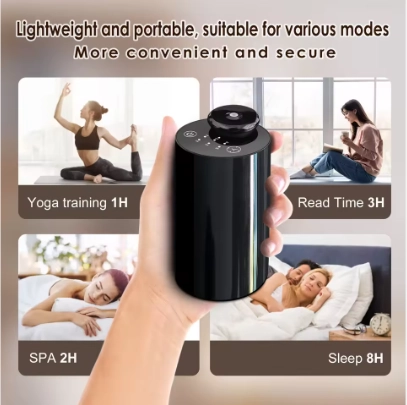
Elevate Your Drive: Saintdeland Portable Car Aroma Diffuser (10–50ml) - Wireless, Durable, Pure Essential Oil Delivery
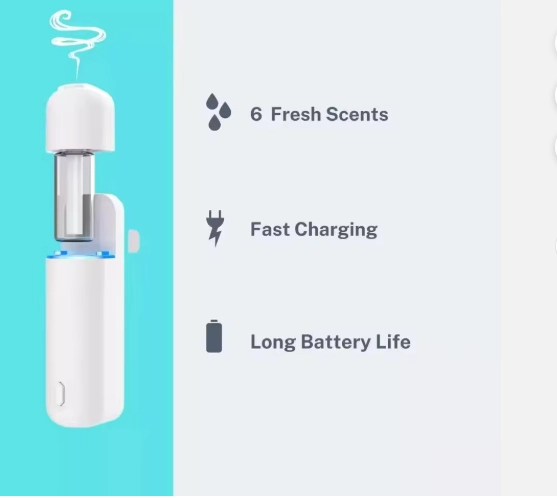
Battery life and charging: selecting portable car diffusers
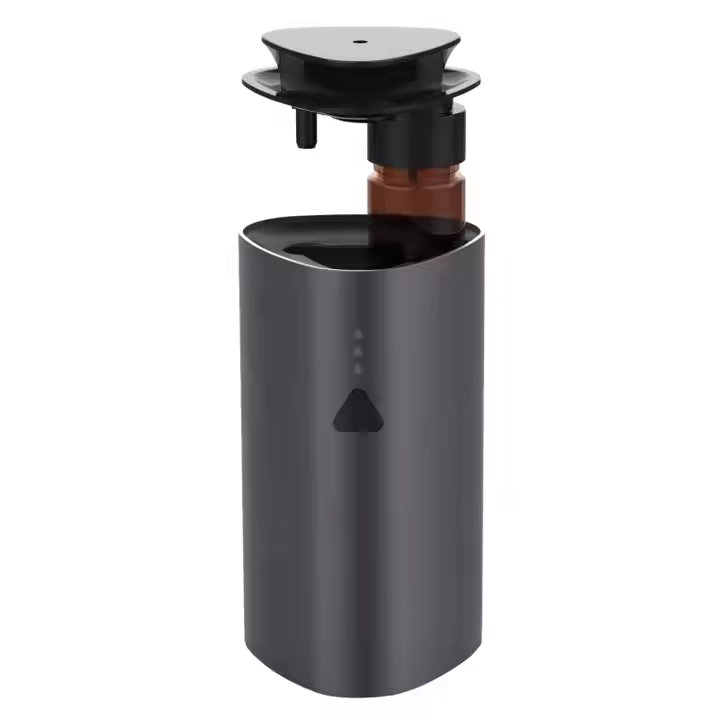
Transform Your Drive: Saintdeland C012 Intelligent Car Fragrance Diffuser
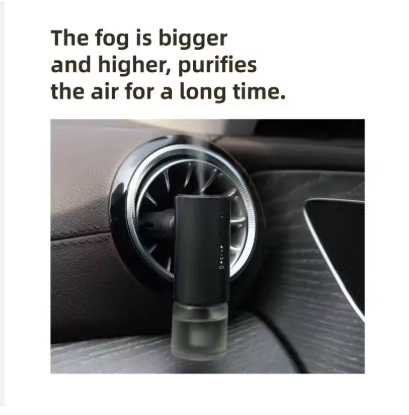
Portable Smart Rechargeable Aroma Diffuser for Car: Full Review
OEM/ODM Services
How long does it take to complete an OEM/ODM project?
Typical lead times:
– Sampling: 7–14 days
– Mass production: 25–35 days after sample approval
We can adjust timelines based on project complexity and quantity.
C004 pro
Can I use different brands of essential oils in my fragrance machine?
In order to ensure the best use effect and equipment life, it is recommended to use this brand of suitable essential oil; before using other brands of essential oil, it is recommended to first try a small amount to see if there is any abnormality.
C007
Is it supported to use a variety of essential oils?
Most water-soluble essential oils are supported, but in order to ensure the best use effect and equipment life, it is recommended to use product recommendation or regular brand essential oils.
Will the air freshener machine shake or fall off during the car trip?
The bottom of the product is designed with anti-slip silicone pad, which can be placed steadily. The weight of the body is moderate, so there will be no shaking or falling during normal driving. If you still have concerns, you can use anti-slip pad or fixing bracket.
SDL306
How to carry out daily cleaning?
Refer to the instruction manual and regularly use the included cleaning tools to clean the inside and outside of the fragrance diffuser to maintain good performance.
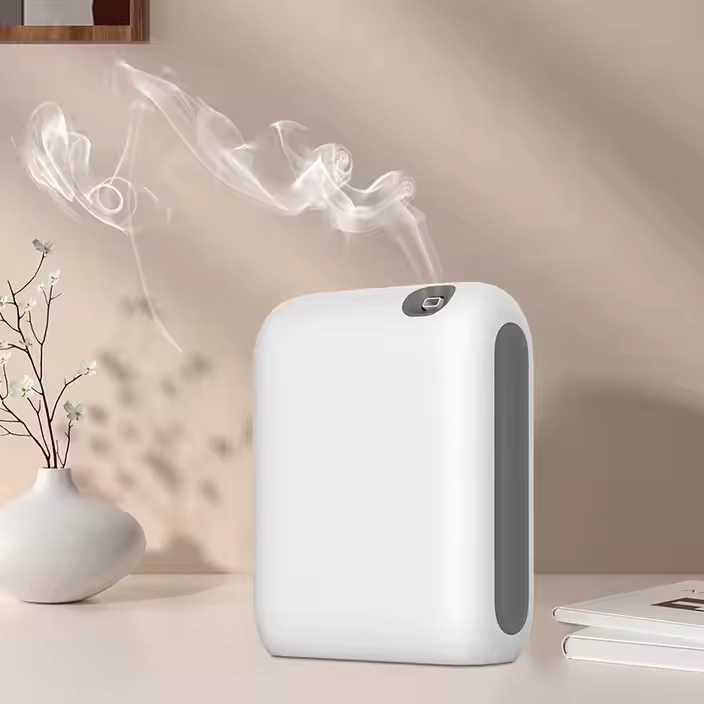
Saintdeland 308 Bluetooth Intelligent Two Fluid Nebulization Diffuser | 400 ㎡+Efficient Coverage Silent Nano level Fragrance Master
The SDL308 intelligent fragrance diffuser innovates the fragrance experience, using two fluid atomization black technologies to instantly transform 200 ml of essential oil into a nano-level fragrance mist, paired with a fan for dual diffusion, immersing a 400-500 square meter space in rich fragrance in seconds.
Through the Bluetooth smart control of the mobile app, concentration adjustment and timed switch can be controlled in one hand to meet personalized fragrance needs. The body is made of environmentally friendly plastic, with a simple white appearance that can be used in various scenarios. The operating noise is less than 35 decibels, which can bring a quiet and high-end olfactory enjoyment whether it is for home rest, office meetings, or commercial space hospitality.
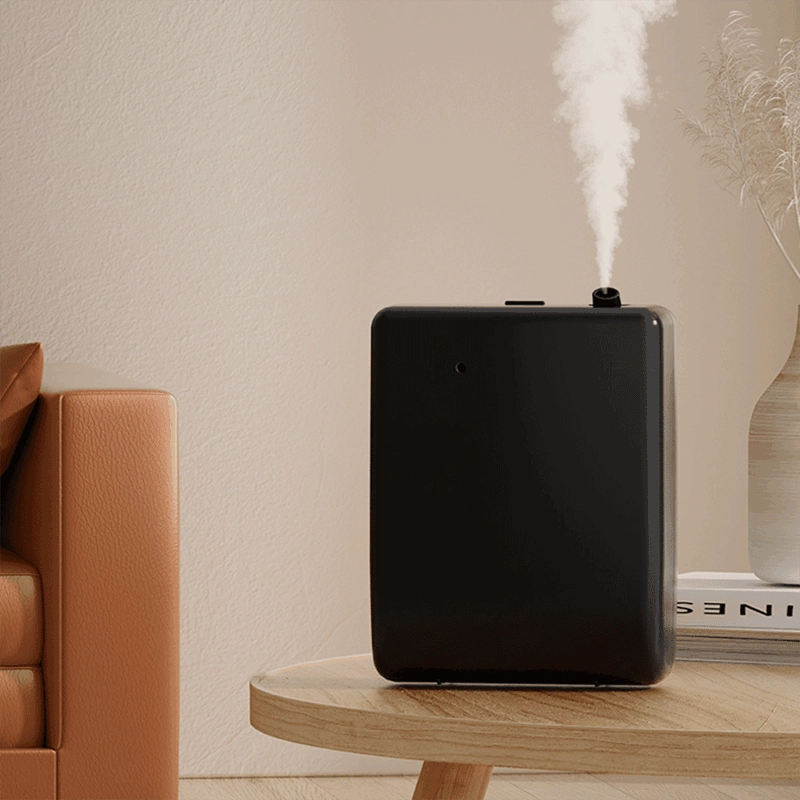
Saintdeland 310 intelligent fragrance diffuser | Dual power supply mode Bluetooth smart control
The SDL310 Smart Diffuser breaks the limitations of traditional diffusers, offering a new fragrance experience with innovative technology. Utilizing the two-fluid atomization principle, it generates nano-level mist particles, eliminating the dampness on your desk and allowing the fragrance to spread like a light mist. It supports dual power supply modes: a 5V external power source and 3 * 1 batteries, making it suitable for various scenarios.
The device features both Bluetooth app control and physical button operation, enabling you to easily adjust the diffusion intensity, set timers, or perform immediate manual operations. With its dual diffusion technology (atomization diffusion + fan diffusion) and a large 130 ml essential oil chamber, the SDL310 instantly fills a 100 ㎡ space with a rich and fragrant aroma. <35dba operates at ultra-low noise levels, making it ideal for focused work, leisurely rest, or commercial operations, quietly releasing a captivating fragrance.
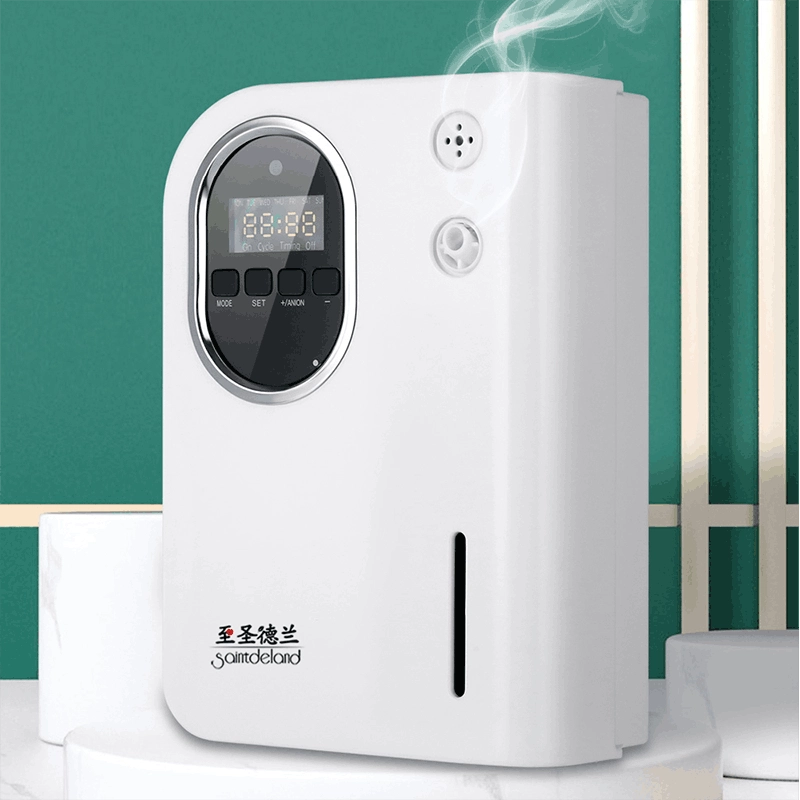
Saintdeland 306 negative ion fragrance diffuser with four stage timed adjustment for purification and sleep assistance, creating a fragrant space
The SDL306 negative ion fragrance diffuser is a fragrance product that combines innovative technology and practical functions. It uses the principle of two-fluid atomization to atomize essential oils into nano-sized particles, bidding farewell to the problem of desktop moisture.
With the dual mode of atomization diffusion and fan diffusion, it can fill a space of 200-500 square meters with fragrance in a short time. DC 12V safe voltage, 10W low energy consumption, paired with a 160 ml large-capacity essential oil tank, energy-saving and worry-free. Black and white dual-color appearance, suitable for various spatial styles.
Whether it's busy office breaks, quiet leisure time, or bustling commercial spaces, it can operate almost silently, releasing fresh fragrances, purifying the air, soothing the body and mind, and bringing an immersive fragrance experience.
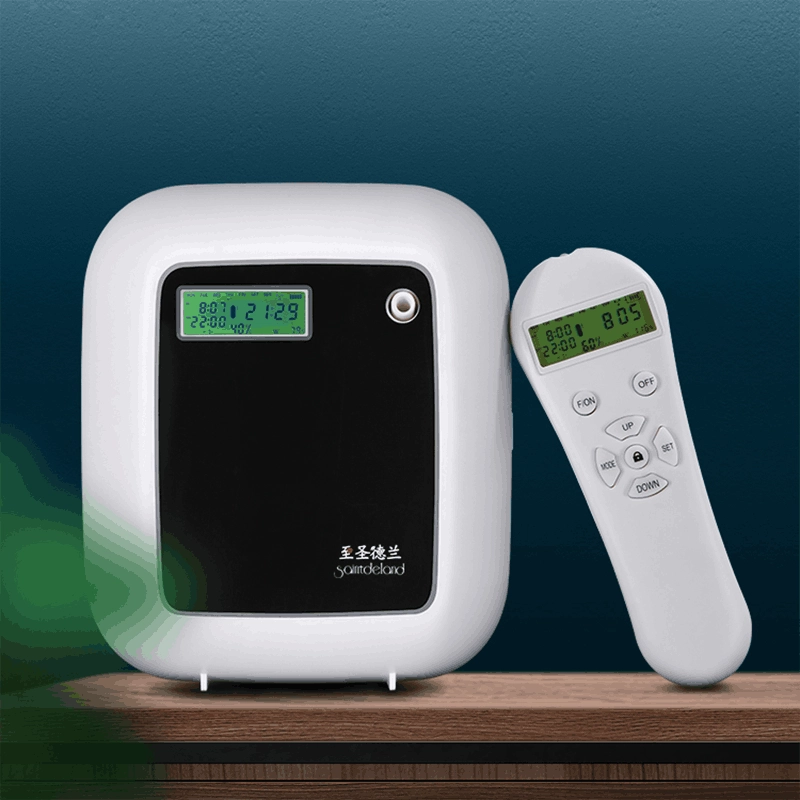
Saintdeland 305 Xiaopang Fragrance Dispenser | 12V Low Consumption Silent Fragrance Expanding Device 200-500 ㎡ Full Area Fragrance Coverage
The SDL305 Xiaopang Fragrance Dispenser features a sophisticated body (175X150X74mm) and a lightweight design weighing 0.5 kg. Equipped with two fluid atomization black technologies, it efficiently converts 130 ml of essential oil into nano-sized atomized particles, achieving an immersive fragrance experience without wet marks or noise.
Through the dual drive of atomization diffusion and fan diffusion, it quickly penetrates a space of 200-500 square meters, instantly enveloping fresh fragrance in homes and commercial places, creating an exclusive olfactory aesthetic space for you.
Let's get in touch
Email: huangxiuqing132@outlook.com
Tel: +86 180 1180 4432
WhatsApp: +86 185 9400 4460
Facebook
YouTube
TikTok