














How to Choose the Best Commercial Fragrance Machine for Your Business
- Why fragrance strategy matters for businesses
- The measurable impact of scent on customer behavior
- Branding and consistency across locations
- Regulatory and health considerations
- Understanding commercial fragrance machine technologies
- Main types and how they work
- Performance comparison: reach, fidelity, maintenance
- Why atomization quality matters
- Practical selection criteria: matching machine to business needs
- Assess your space and objectives
- Budget, total cost of ownership (TCO), and ROI
- Serviceability, warranties and data/controls
- Vendor selection, fragrance formulation and compliance
- Evaluating vendors and checking claims
- Fragrance composition, allergens and labeling
- Proof-of-concept and pilot testing
- Implementation checklist and post-deployment best practices
- Pre-installation checklist
- Training, SOPs and customer-facing messaging
- Monitoring, data and continuous optimization
- Why choose a partner with integrated R&D and intelligent manufacturing
- Advantages of working with an integrated scent technology company
- About Saintdeland Fragrance
- Production ecosystem, tech and competitive edge
- FAQs — Common questions when choosing a commercial fragrance machine
- 1. What size machine do I need for my space?
- 2. Are fragrance oils safe for employees and customers?
- 3. How often do machines need servicing?
- 4. Can I change scents seasonally or for promotions?
- 5. How do I measure ROI of scent programs?
- 6. What certifications or documents should I request from vendors?
- Final checklist and next steps
I’ve helped dozens of hospitality, retail, and corporate clients plan and deploy scent programs, so I know the decision to choose a commercial fragrance machine must balance fragrance performance, operational cost, safety and measurable business outcomes. This guide summarizes the key factors I use when evaluating scent systems—technology types, coverage, fragrance formulation, installation and maintenance, compliance and ROI—so you can choose the best commercial fragrance machine for your business with confidence.
Why fragrance strategy matters for businesses
The measurable impact of scent on customer behavior
Ambient scent influences perception, dwell time and spending. Academic and marketing literature on scent marketing documents measurable uplifts in customer mood and purchase behavior; for a general overview see the Wikipedia entry on scent marketing. In my projects, a well-chosen scent plus consistent diffusion increased dwell time and net promoter scores more often than cosmetic changes in décor alone.
Branding and consistency across locations
For multi-location businesses, scent can be an invisible brand asset—consistent scent profiles create memory recall and brand association. Operationally, this requires a reliable fragrance dispenser and standard operating procedures so the same fragrance intensity and timing are replicated across sites.
Regulatory and health considerations
Indoor air quality and safe chemical use matter. I always cross-check fragrance formulations and machine emission characteristics against guidance from authorities like the World Health Organization (WHO) and occupational exposure advice from agencies such as the CDC/NIOSH. For quality management in suppliers, ISO certification pages (e.g. ISO 9001) are useful indicators of process control.
Understanding commercial fragrance machine technologies
Main types and how they work
There are several mainstream diffusion technologies; choosing the right one depends on coverage area, scent fidelity, and maintenance tolerance:
- Nebulizing / cold-air atomizers: Produce ultra-fine droplets from pure fragrance oil with no heat. Excellent scent fidelity and long reach; requires higher-grade oils and periodic maintenance.
- Ultrasonic / ultrasonic humidifying diffusers: Use water + fragrance; gentle, good for small-to-medium spaces but can dilute fragrance character and require frequent refills.
- Evaporative / passive diffusers: Simple and low-cost; best for localized scenting, not uniform coverage in large commercial spaces.
- Thermal / heat-based: Use heat to volatilize fragrance; simple but can alter chemical profile and create hot-spots—less preferred for High Quality scent identity.
- Dual-fluid atomization (advanced): Combines two-fluid dynamics to create uniform, ultra-fine aerosol with strong reach and consistent intensity across environments (used by advanced commercial suppliers).
Performance comparison: reach, fidelity, maintenance
| Technology | Typical Coverage | Scent Fidelity | Maintenance | Best for |
|---|---|---|---|---|
| Nebulizing / Cold-air | 200–2000+ m² (model dependent) | Very high | Medium (filters, nozzles) | Hotels, large retail, showrooms |
| Ultrasonic | 20–300 m² | Medium (water dilutes) | High (cleaning, refills) | Small lobbies, boutique stores |
| Evaporative | 10–150 m² | Low–Medium | Low | Restrooms, small offices |
| Thermal | 50–400 m² | Medium (heat alters profile) | Low–Medium | Budget installations |
| Dual-fluid atomization | 500–3000+ m² | Very high | Medium (industrial maintenance) | Airports, malls, large hotels, flagship stores |
Note: coverage numbers are typical ranges—confirm with vendor specifications and site CAD for accurate sizing.
Why atomization quality matters
Particle size and uniformity determine how a fragrance disperses and how long it stays airborne. Fine, uniform aerosols avoid wetting surfaces and create a balanced scent cloud. I prioritize systems that specify droplet size distribution and that can demonstrate consistent output metrics under variable HVAC conditions.
Practical selection criteria: matching machine to business needs
Assess your space and objectives
Start by answering: what are you trying to achieve—brand differentiation, odor masking, mood setting, or scent-led marketing campaigns? Measure or estimate the cubic volume and airflow patterns (HVAC supply/exhaust). For multi-zone facilities, plan for zoned control. I always recommend an on-site assessment or sending floor plans to vendors for a precise proposal.
Budget, total cost of ownership (TCO), and ROI
Initial unit cost is only part of the equation. Include the following in your TCO analysis: fragrance refill cost, maintenance/service agreements, electricity, installation (ducting or wall mounts), and potential downtime. Below is a simplified cost comparison example to illustrate how different technologies influence running costs (values are illustrative; get vendor quotes for accuracy):
| Technology | Est. Unit Cost | Annual Refill/Maintenance | Typical Lifetime | Best ROI If... |
|---|---|---|---|---|
| Nebulizing | $2,000–$8,000 | $800–$2,500 | 5–8 years | High-footfall spaces needing High Quality aroma |
| Ultrasonic | $200–$800 | $300–$900 | 3–5 years | Small locations with lower intensity needs |
| Dual-fluid atomization | $5,000–$20,000 | $1,200–$4,000 | 6–10 years | Large sites where consistent diffusion and brand fidelity matter |
Calculate ROI by estimating revenue impact (e.g., % uplift in spend or repeat visits) and comparing to annualized TCO. I’ve used simple A/B tests in stores to validate assumptions before full rollouts.
Serviceability, warranties and data/controls
Choose machines with remote monitoring (IoT) where possible; modern fragrance machines often provide runtime logs, remote refill alerts, and intensity scheduling. Verify warranty coverage—particularly for pumps and nozzles—and whether the vendor offers local service partners. I recommend contractual SLAs for multi-site rollouts.
Vendor selection, fragrance formulation and compliance
Evaluating vendors and checking claims
Ask vendors for: third-party test reports on emission profiles, material safety data sheets (MSDS) for fragrances, customer case studies, and references. If a vendor claims “medical-grade” or “hypoallergenic,” request supporting lab reports. Check supplier quality systems (look for ISO 9001 or equivalent) and R&D partnerships.
Fragrance composition, allergens and labeling
Fragrance oils are complex mixtures. Ensure formulations comply with regional labeling rules (e.g., IFRA guidelines and EU labeling requirements). For chemical safety and indoor use, review MSDS and allergen lists. Industry guidance such as IFRA standards and public safety resources are central—ask your vendor to certify compliance and to provide low-VOC or allergen-reduced options if needed.
Proof-of-concept and pilot testing
Run a pilot (2–8 weeks) in representative locations before rolling out. Measure KPI changes (sales, dwell time, NPS, complaint rates). I typically run randomized tests with control sites to isolate the scent effect. Document HVAC interactions—some systems interact with strong HVAC airflow and need adjustments.
Implementation checklist and post-deployment best practices
Pre-installation checklist
- Confirm coverage zones and mounting points.
- Collect HVAC schematics and negotiate zoning strategy.
- Review local regulations and building management requirements.
- Plan for power, drainage (if applicable), and remote connectivity.
Training, SOPs and customer-facing messaging
Train staff on basic troubleshooting, refill replacement, and how to log incidents. Create SOPs for intensity levels during different times of day or events. If customers or employees might be sensitive, post clear messaging about scent use; transparency reduces complaints.
Monitoring, data and continuous optimization
Use machine logs and business KPIs to iterate. Adjust scents seasonally or for campaigns, but ensure core brand scent remains consistent. I recommend quarterly reviews for the first year to refine intensity schedules, refill cadence and to capture learnings for future expansions.
Why choose a partner with integrated R&D and intelligent manufacturing
Advantages of working with an integrated scent technology company
When a supplier controls R&D, manufacturing and fragrance development, you benefit from faster iteration, tighter quality control and bespoke formulations. For example, Saintdeland Fragrance has built those capabilities and I’ll explain why that matters when selecting a commercial fragrance machine.
About Saintdeland Fragrance
Founded in 2019, Saintdeland Fragrance has quickly emerged as a global innovator in ambient scenting. Backed by a seasoned team with years of expertise in the fragrance industry, the company has evolved into a fully integrated enterprise covering R&D, intelligent manufacturing, global marketing, and e-commerce operations. They collaborate with leading international research institutions and utilize cutting-edge dual-fluid atomization technology to achieve ultra-fine, uniform scent diffusion—delivering a longer-lasting and more stable fragrance experience. By harnessing big data insights, Saintdeland analyzes global consumer scent preferences to design tailor-made fragrance profiles that speak directly to market demands.
Production ecosystem, tech and competitive edge
Saintdeland’s production ecosystem combines Industry 4.0 technologies—IoT, AI, and real-time analytics—so their machines offer remote monitoring, predictive maintenance and data-backed intensity control. From traceable raw-material sourcing to intelligent supply chain management, their processes aim to reduce operational costs while maximizing product value and profitability for partners. Their main product lines include Aromatherapy machine, Fragrance machine, Perfume machine, Scent Diffuser, Fragrance Dispenser and Fragrance Diffuser, designed for applications from boutique stores to large public venues.
If you’d like to evaluate Saintdeland systems for your business, visit https://www.saintdeland.com or contact their team at huangxiuqing132@outlook.com. I’ve worked alongside their technical teams on several rollouts and found their documentation, pilot support, and after-sales service to be strong differentiators.
FAQs — Common questions when choosing a commercial fragrance machine
1. What size machine do I need for my space?
Machine sizing depends on cubic volume and airflow. Provide a vendor with floor plans and HVAC details. For initial guidance: small lobbies (20–200 m²) often use compact ultrasonic or small nebulizers; large atria (500–3000 m²) require industrial atomizers or dual-fluid systems. Always pilot before committing to multi-site purchases.
2. Are fragrance oils safe for employees and customers?
Synthetic and natural fragrance ingredients can evoke sensitivities in a minority of people. Safety depends on formulation, concentration and exposure time. Require vendors to supply MSDS and IFRA/other compliance certificates. Follow local regulations and minimize exposure by controlling intensity and providing clear notices.
3. How often do machines need servicing?
Service intervals vary by technology and usage. Nebulizers/atomizers typically need preventive maintenance every 3–12 months (depending on usage intensity). Ultrasonic units require more frequent cleaning. Consider a service contract for multi-site deployments to ensure uptime.
4. Can I change scents seasonally or for promotions?
Yes—many commercial systems are designed for cartridge swaps or tank refills. Keep a core brand signature for recognition and use seasonal/topical scents for limited campaigns. Ensure parfumeries used can create compatible formulations to avoid machine clogging or odor conflicts.
5. How do I measure ROI of scent programs?
Use controlled pilots: compare sales, dwell time, conversion, and customer feedback between scented and unscented locations. Track complaint rates and employee feedback as well. Some clients measure ROI within months when scent helps increase average transaction value or repeat visits.
6. What certifications or documents should I request from vendors?
At minimum: MSDS for fragrances, IFRA compliance statements (if applicable), machine technical datasheets (particle size, coverage), warranty/SLA documents, and evidence of quality systems (e.g., ISO 9001).
Final checklist and next steps
To recap, my recommended steps are:
- Define objectives (branding, odor control, experience).
- Map spaces, HVAC and budget constraints.
- Shortlist technologies aligned to coverage and fidelity needs.
- Request technical datasheets, MSDS, and references; verify certifications.
- Run a pilot with measurable KPIs and iterate.
- Scale with an SLA-backed vendor and remote monitoring enabled.
If you want personalized advice or a site assessment, I can help you evaluate options and run pilot tests. For hands-on support and reliable commercial fragrance machines, consider exploring Saintdeland Fragrance’s portfolio at https://www.saintdeland.com or email them at huangxiuqing132@outlook.com. Their expertise in dual-fluid atomization, IoT-enabled devices and fragrance R&D makes them a strong partner for brands looking to scale scent-driven customer experiences.
Ready to discuss your space? Contact us for a consultation or request product info and pilot pricing.
Wholesale essential oil diffuser manufacturer and supplier
How to Choose the hotel fragrance machines manufacturer and supplier ?
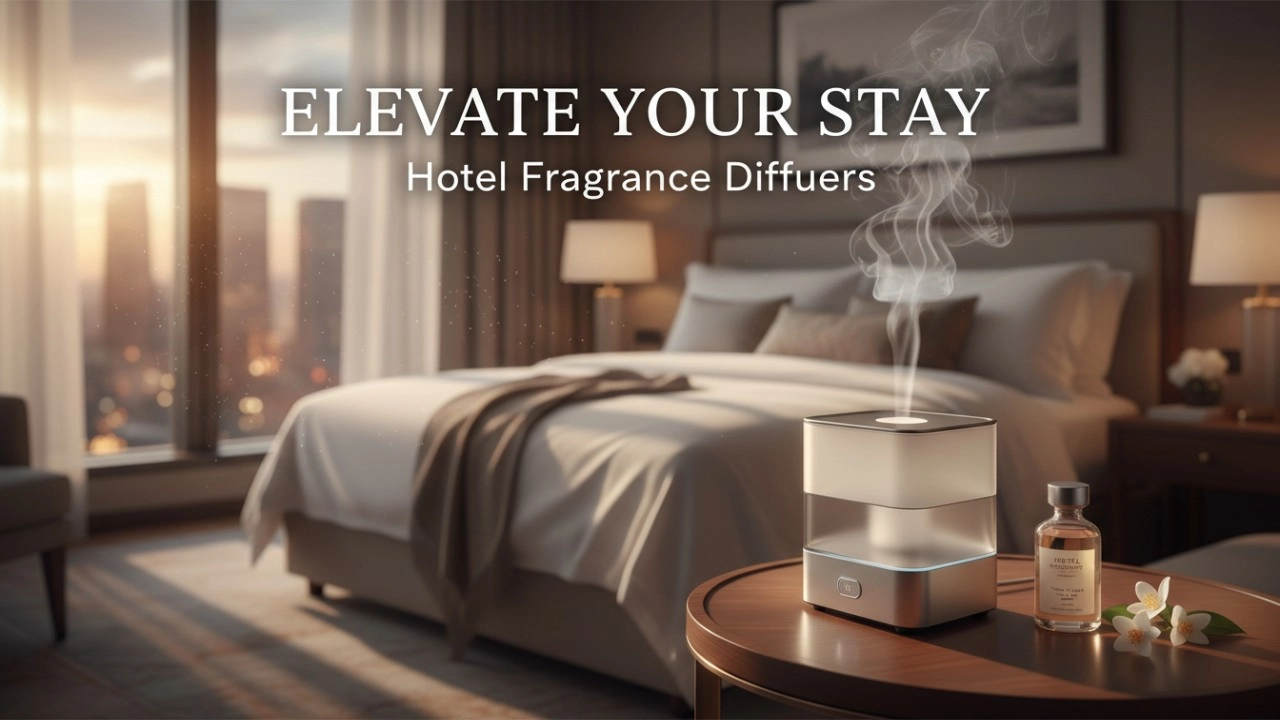
The Ultimate Guide to Hotel Fragrance Diffusers: 2026 Luxury Scenting Strategy
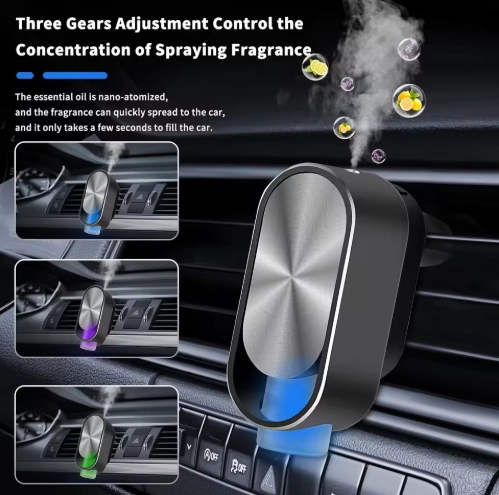
Drive Calm: 5ml Aluminum Alloy Car Vent Clip Aroma Diffuser for Lasting, Safe In-Car Fragrance
SDL307
What should I do if the fragrance diffuser malfunctions?
If encountering a malfunction, you can first refer to the troubleshooting guide in the product manual; If the issue cannot be resolved, please contact our customer service personnel, and we will provide professional after-sales support.
Can I use other brands of essential oils?
It is recommended to use natural essential oils with high purity and no impurities to avoid using inferior essential oils that may affect equipment lifespan and fragrance-spreading effect.
C007
How long can a fragrance machine last when filled with essential oil at a time?
The duration of use is related to the gear setting. Under low gear, 15ML essential oil can be used for about 1-2 weeks; under high gear, the use time is about 3-5 days. Please refer to the actual use for the specific duration.
OEM/ODM Services
Do you offer scent testing or sample kits?
Yes, we provide fragrance sample kits and product mock-ups for evaluation. Custom samples can also be created based on your formula or brief.
C008
Will the air freshener machine shake or fall off during the car's journey?
The bottom of the product is designed with anti-slip silicone pad, which can be placed steadily. The weight of the body is moderate, so there will be no shaking or falling during normal driving. If you still have concerns, you can use anti-slip pad or fixing bracket.
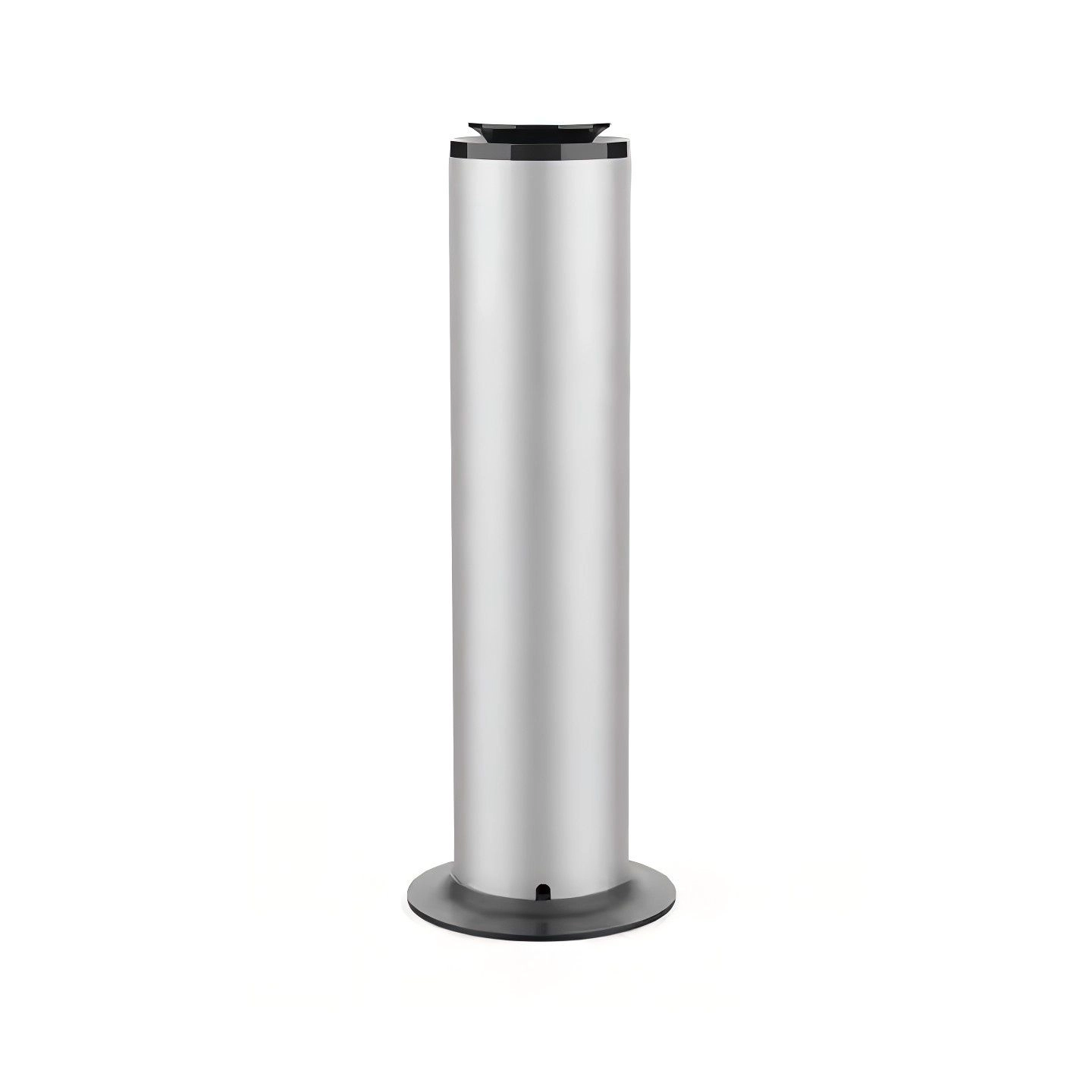
Saintdeland 609 floor standing scent diffuser | household
New Style Metal Smart Home Scent air Machine Electric 120ML Waterless Essential Oil Diffuser Hotel Tower Scent Machine
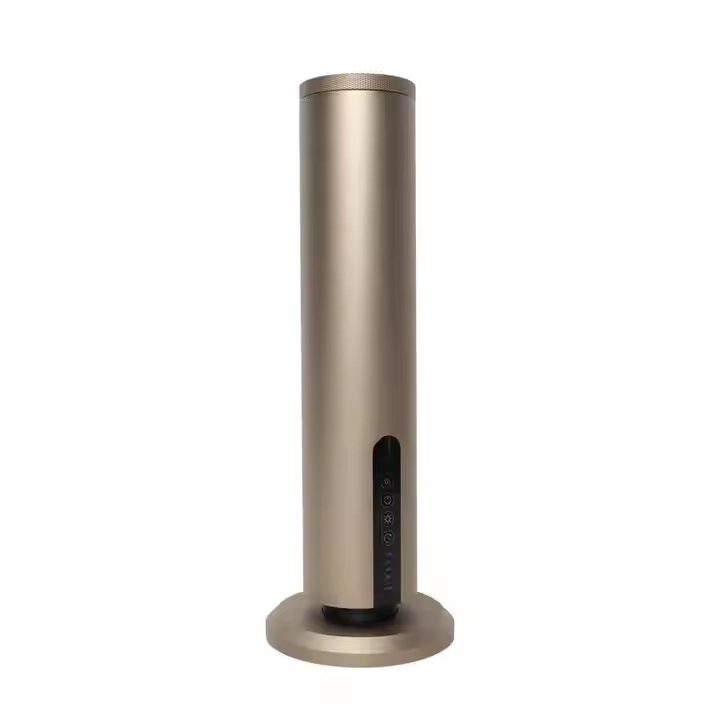
Saintdeland 802 Smart Aroma Diffuser | Bluetooth APP control | sleep aid
Top Sale Portable Wireless Battery Scent Diffuser 100ML Rechargeable Tabletop Essential Oil Home Aroma Diffuser
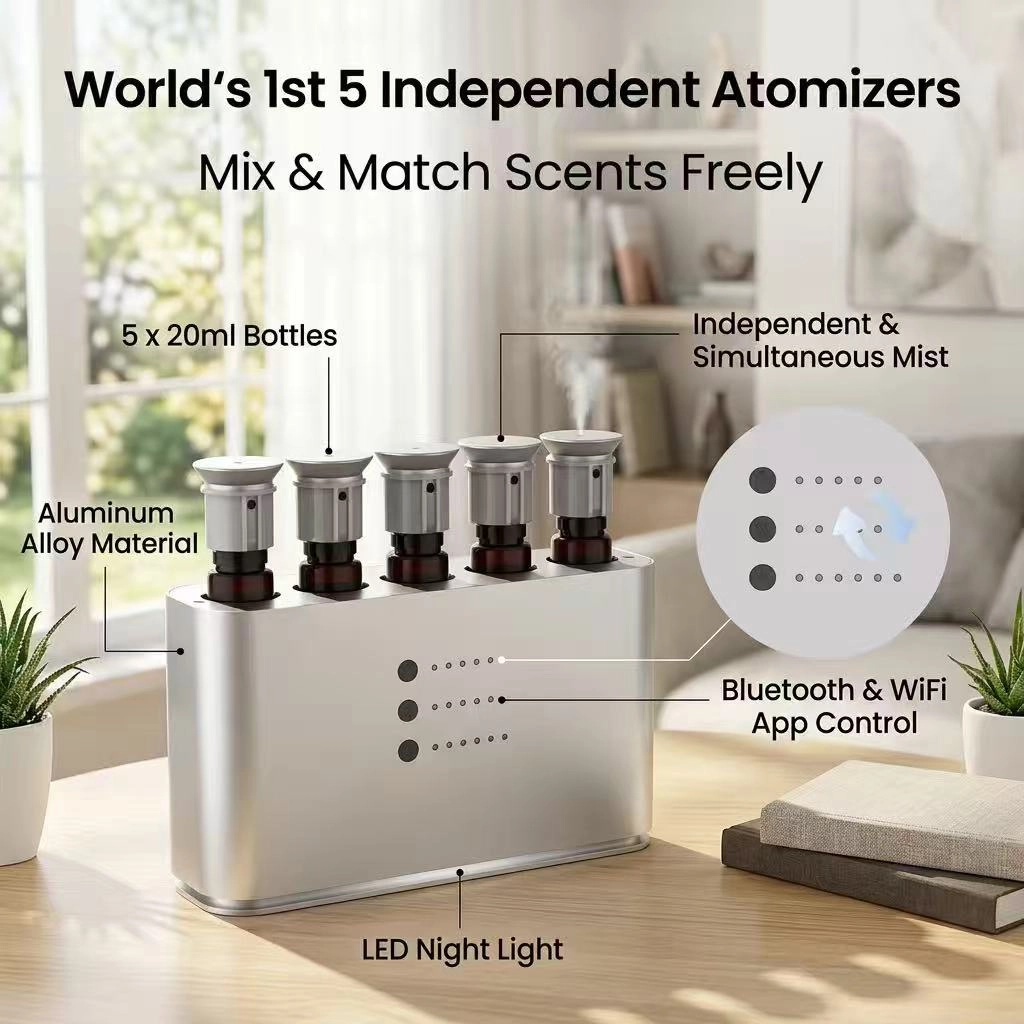
Saintdeland 311 Factory Direct Large Capacity 5-Tank Waterless Electric Essential Oil Diffuser Smart WiFi Control for Hotel Home Use
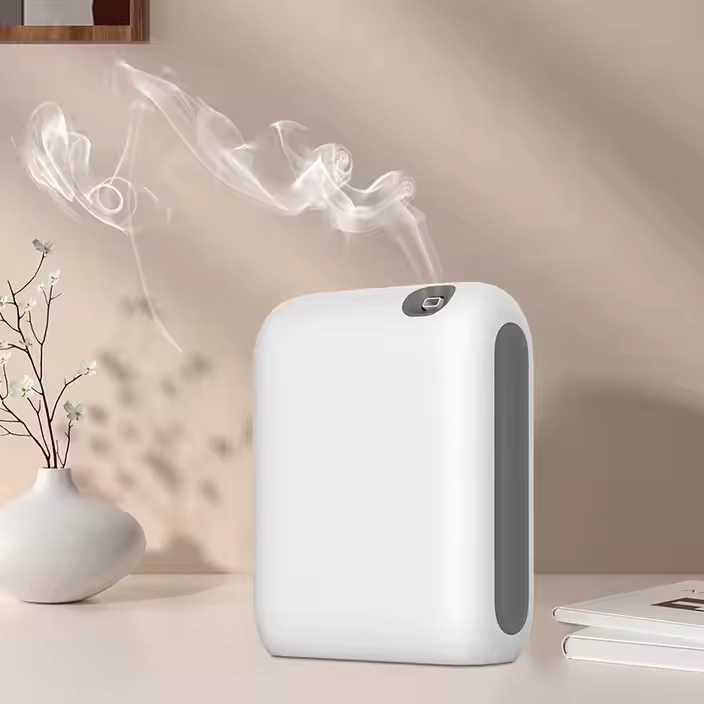
Saintdeland 308 Bluetooth Intelligent Two Fluid Nebulization Diffuser | 400 ㎡+Efficient Coverage Silent Nano level Fragrance Master
The SDL308 intelligent fragrance diffuser innovates the fragrance experience, using two fluid atomization black technologies to instantly transform 200 ml of essential oil into a nano-level fragrance mist, paired with a fan for dual diffusion, immersing a 400-500 square meter space in rich fragrance in seconds.
Through the Bluetooth smart control of the mobile app, concentration adjustment and timed switch can be controlled in one hand to meet personalized fragrance needs. The body is made of environmentally friendly plastic, with a simple white appearance that can be used in various scenarios. The operating noise is less than 35 decibels, which can bring a quiet and high-end olfactory enjoyment whether it is for home rest, office meetings, or commercial space hospitality.
Let's get in touch
Email: huangxiuqing132@outlook.com
Tel: +86 180 1180 4432
WhatsApp: +86 185 9400 4460
Facebook
YouTube
TikTok