














What is the MOQ for wholesale new car fragrance orders?
- What are the evolving consumer preferences for 'new car smell' and how do current wholesale fragrance formulations align with or deviate from these expectations, especially regarding natural vs. synthetic profiles?
- Beyond simple vent clips, what advanced aroma delivery systems (e.g., nebulizing diffusers, smart scenting devices) are gaining traction for new car fragrance, and what are their technical advantages and maintenance considerations for wholesale buyers?
- How critical is adherence to international fragrance safety standards (e.g., IFRA, REACH) for wholesale new car fragrance products, and what due diligence steps should a beginner take to ensure their suppliers meet these strict compliance requirements?
- What factors beyond unit price (e.g., concentration, carrier blend, packaging, shelf-life) truly determine the cost-effectiveness and perceived value of a wholesale new car fragrance offering, and how can I compare different supplier proposals effectively?
- When considering custom-branded new car fragrance diffusers or oils, what is the typical MOQ for wholesale new car fragrance orders for different levels of customization and how can smaller businesses negotiate more favorable terms?
- What are the common pitfalls in inventory management and storage for wholesale new car fragrance products, especially concerning scent degradation, evaporation, and optimal environmental conditions to preserve product quality and longevity?
As a professional in the aromatherapy machine field, you understand that the 'new car smell' is no longer a static concept, but a dynamic and evolving sensory experience. For wholesale buyers stepping into the lucrative market of vehicle fragrance, grasping the nuances of product development, sourcing, and consumer expectations is paramount. This guide tackles frequently asked questions by beginners, providing in-depth answers to elevate your understanding and purchasing decisions for professional automotive scent solutions.
What are the evolving consumer preferences for 'new car smell' and how do current wholesale fragrance formulations align with or deviate from these expectations, especially regarding natural vs. synthetic profiles?
The traditional 'new car smell' that captivated generations was largely a byproduct of volatile organic compounds (VOCs) off-gassing from interior materials like plastics, adhesives, and fabrics. While nostalgically potent, consumer awareness of health and wellness has shifted preferences dramatically. Today, there's a significant move towards healthier, more sophisticated, and often more natural new car smell diffuser profiles. Consumers increasingly seek eco-friendly car scents that evoke feelings of cleanliness, luxury, and relaxation rather than the chemical intensity of yesteryear.
Wholesale buyers should recognize this pivot: demand for essential oil-based automotive scent solutions is surging. Think subtle notes of citrus, light florals, or earthy woods, expertly blended to create a calming or invigorating atmosphere without being overpowering. Formulations now often include odor neutralizer components to genuinely eliminate stale smells, not just mask them. The challenge for suppliers is to balance the long-lasting car scent desired by consumers with the safety and naturalness that contemporary markets demand. Many professional fragrance houses are investing in bio-based alternatives and complex synthetic blends designed to mimic natural profiles, offering both versatility and adherence to modern aesthetic and health concerns.
Beyond simple vent clips, what advanced aroma delivery systems (e.g., nebulizing diffusers, smart scenting devices) are gaining traction for new car fragrance, and what are their technical advantages and maintenance considerations for wholesale buyers?
The landscape of vehicle air freshener technology has dramatically evolved beyond passive car vent clips and hanging paper trees. For professional car interior fragrance, advanced aroma delivery systems offer superior performance, control, and user experience.
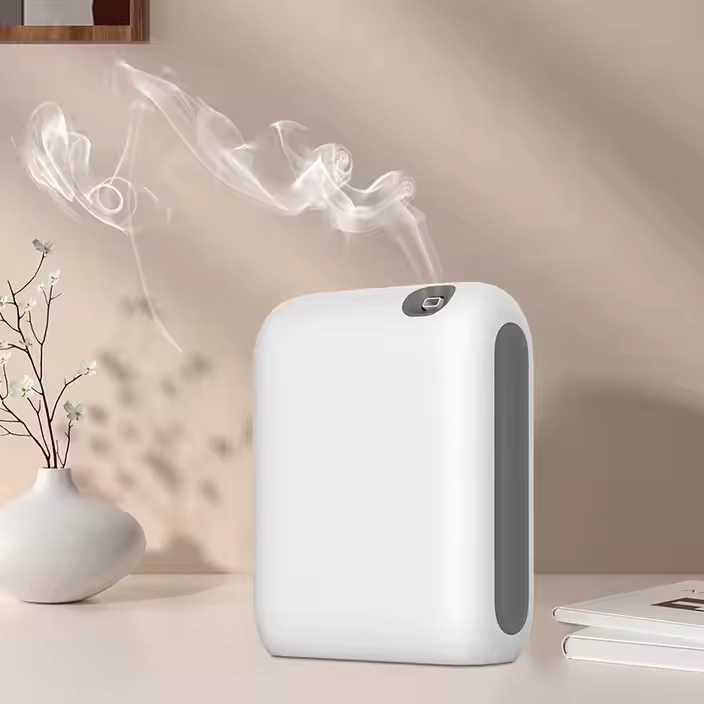
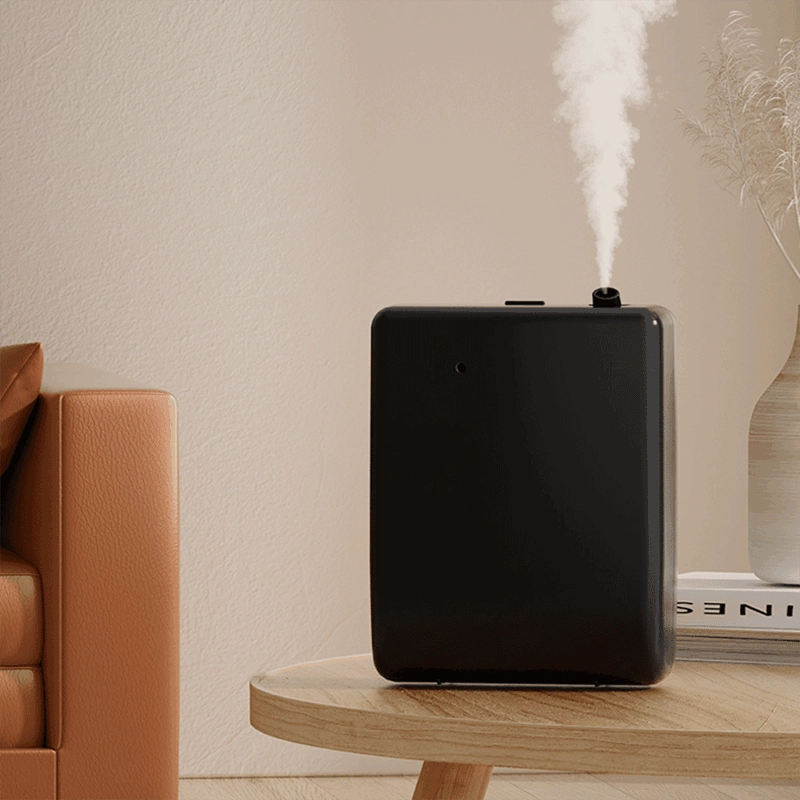
Nebulizing Diffusers: These are at the forefront for High Quality professional car scenting. They use an air pump to atomize pure essential or fragrance oils into a fine, dry mist without heat or water.
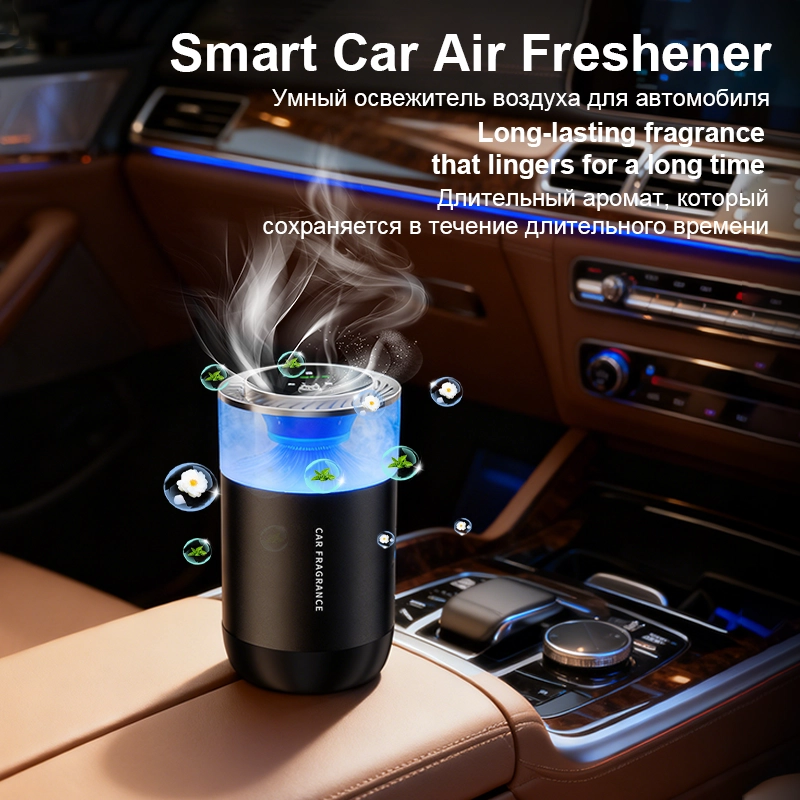
- Advantages: Deliver concentrated, unadulterated scent; excellent distribution throughout the vehicle cabin; no dilution means stronger, more authentic aroma; often come with intensity settings and timers. They provide a truly long-lasting vehicle aroma.
- Maintenance: Require regular cleaning (typically with rubbing alcohol) to prevent oil residue buildup, especially when changing scents. Only pure oils should be used to avoid clogging.
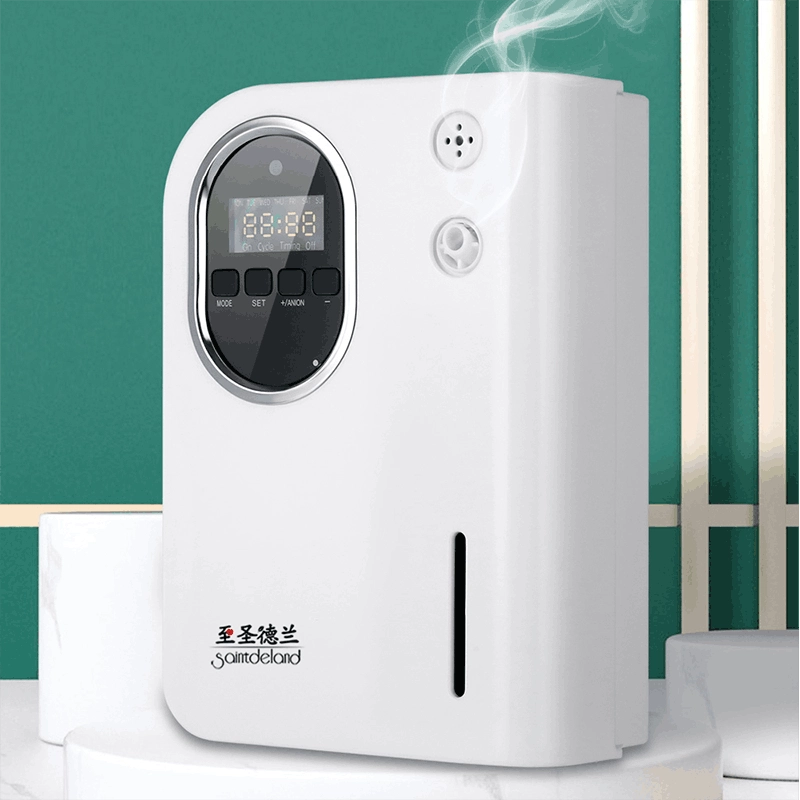
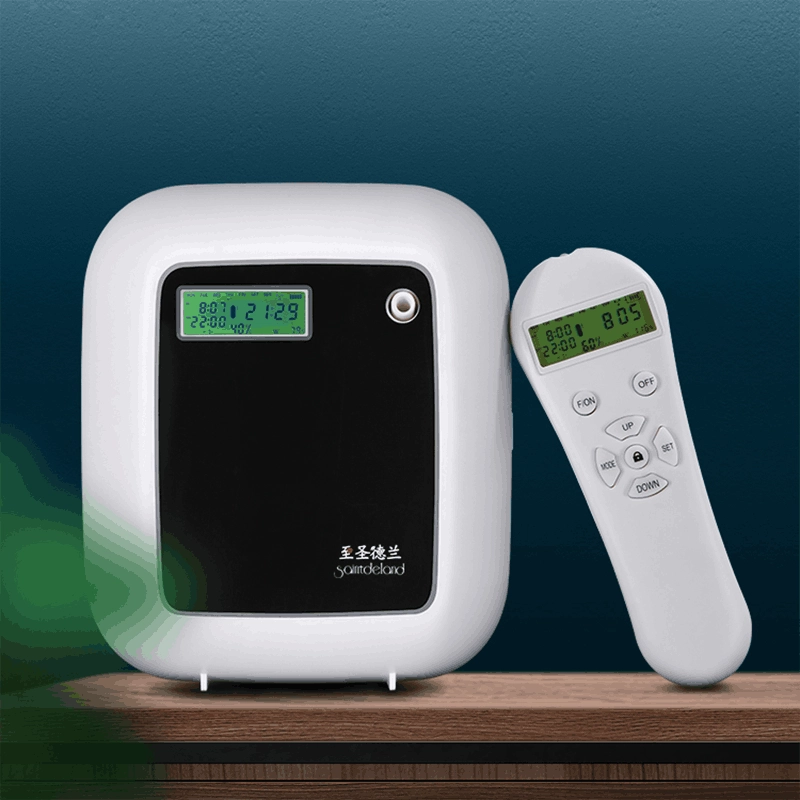
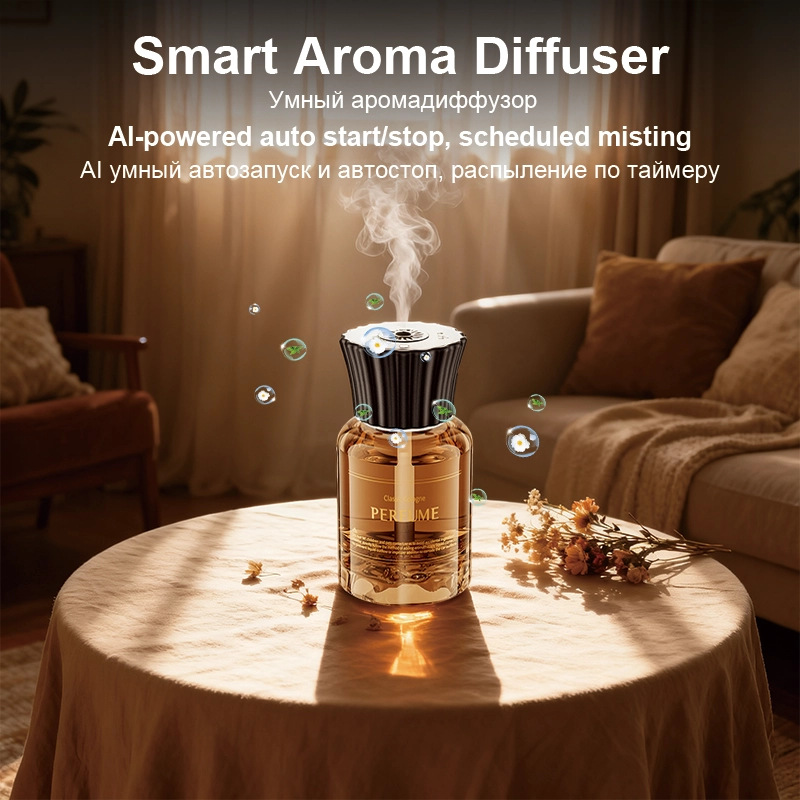
Smart Scenting Devices: Often ultrasonic (water-based) or nebulizing, these custom car fragrance systems integrate Bluetooth or app control, allowing users to schedule scenting times, adjust intensity, and even switch between multiple fragrances from their smartphone.
- Advantages: Unparalleled customization and convenience; enhance the modern luxury car experience. Some include mood lighting or air purification features.
- Maintenance: Similar to nebulizing or ultrasonic diffusers, depending on the core technology. App updates and battery life (for portable versions) are additional considerations.
Cold Air Diffusion Systems (for larger vehicles/fleets): While primarily for commercial spaces, miniaturized versions are emerging. They use cold air to disperse fragrance, often via HVAC integration.
- Advantages: Seamless integration, broad and even coverage, ideal for scent marketing for vehicles in professional settings.
- Maintenance: Requires professional installation and periodic filter/cartridge replacement.
Wholesale buyers should evaluate these systems based on target audience, ease of use, power source (USB, 12V car adapter, battery), and the cost-effectiveness of their specific aroma delivery system components and refill oils.
How critical is adherence to international fragrance safety standards (e.g., IFRA, REACH) for wholesale new car fragrance products, and what due diligence steps should a beginner take to ensure their suppliers meet these strict compliance requirements?
Adherence to international fragrance safety standards is not just critical; it's non-negotiable for wholesale new car fragrance products. Ignoring these can lead to severe legal repercussions, product recalls, and irreparable brand damage. Consumers are increasingly informed about product safety, and regulatory bodies worldwide are vigilant.
- IFRA (International Fragrance Association): The global authority for safe use of fragrance ingredients. IFRA Standards are based on scientific risk assessments and restrict or prohibit certain substances, as well as setting maximum usage levels for many ingredients in various product categories, including automotive aroma products. Compliance ensures that your essential oil car scents are safe for inhalation and skin contact (even incidental).
- REACH (Registration, Evaluation, Authorisation and Restriction of Chemicals): A European Union regulation addressing the production and use of chemical substances, and their potential impacts on both human health and the environment. For any bulk car fragrance oil or device sold in or to the EU, REACH compliance is mandatory.
Due Diligence Steps for Beginners:
- Request Documentation: Always ask for up-to-date IFRA certificates (with specific category 12 for air fresheners/car products), Safety Data Sheets (SDS) for all fragrance oils, and Certificate of Analysis (COA) for individual raw materials. For EU markets, request REACH compliance declarations.
- Ingredient Transparency: Demand full disclosure of ingredients, even if proprietary. Understand potential allergens listed (e.g., limonene, linalool) and ensure they are within safe limits.
- Third-Party Testing: Inquire if the supplier conducts or can provide results from independent third-party lab testing for product stability, safety, and performance. This adds an extra layer of trust.
- Supplier Reputation: Research the supplier's history of compliance. Choose reputable manufacturers with a proven track record in High Quality car air freshener and aromatherapy machine production, like Saintdeland, who openly discuss their commitment to safety standards.
- Understand Regulations in Target Markets: Regulations can vary. While IFRA is global, specific national laws (e.g., California's Prop 65, various VOC regulations) might apply. Ensure your supplier is aware of your target market's requirements.
What factors beyond unit price (e.g., concentration, carrier blend, packaging, shelf-life) truly determine the cost-effectiveness and perceived value of a wholesale new car fragrance offering, and how can I compare different supplier proposals effectively?
Focusing solely on the unit price for wholesale aroma diffusers for cars or their accompanying oils can be a costly mistake for beginners. True cost-effectiveness and perceived value stem from a holistic evaluation of several critical factors:
- Fragrance Oil Concentration and Quality: A lower-priced oil might be heavily diluted with cheap carrier oils, leading to weak scent throw and rapid dissipation. High-quality bulk car fragrance oil with a higher concentration of pure essential oils or High Quality fragrance components will last longer and deliver a superior signature car smell. Compare the percentage of fragrance concentrate vs. carrier, and the origin/quality of the raw materials.
- Carrier Blend: The carrier fluid (e.g., DPG, IPM, natural oils like fractionated coconut oil, or alcohol bases) significantly impacts diffusion, evaporation rate, and safety. Natural carriers tend to be more expensive but offer a cleaner burn and healthier profile. Inferior carriers can produce an unpleasant chemical undertone or clog diffusers.
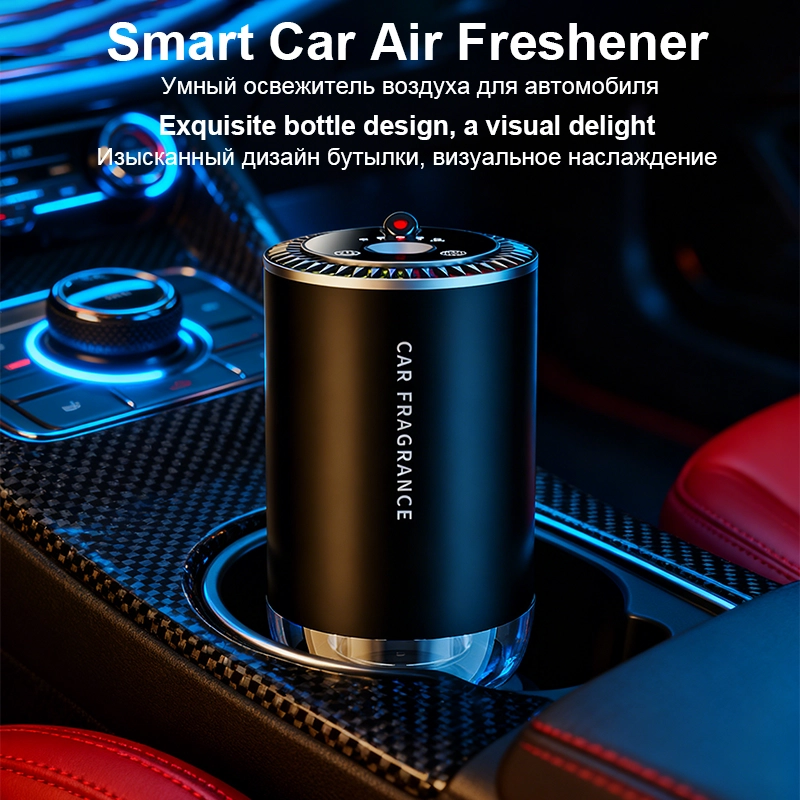
- Packaging and Presentation: For branded car air fresheners or custom car fragrance, the packaging quality (bottles, caps, labels, retail boxes) directly influences perceived value and protects the product during shipping and storage. A durable, aesthetically pleasing package commands a higher retail price and enhances brand image.
- Shelf-Life and Stability: Fragrance oils can degrade over time, especially if exposed to light, heat, or air. Inquire about the guaranteed shelf-life and recommended storage conditions. A longer, stable shelf-life reduces inventory risk and waste. Reputable suppliers will have data on product stability.
- Device Compatibility and Performance: For new car smell diffusers, evaluate the device's build quality, power efficiency, noise level, and effectiveness in scenting different vehicle sizes. A cheap device that breaks quickly or distributes scent poorly will erode customer satisfaction and lead to returns.
- Certifications and Compliance: As discussed, safety certifications (IFRA, REACH) add significant value, assuring customers of product safety and quality. This compliance often comes at a higher manufacturing cost but is indispensable.
When comparing proposals, create a weighted scorecard for these factors, not just price. Request samples for testing, analyze material safety data, and critically assess the overall brand story and support offered by the supplier.
When considering custom-branded new car fragrance diffusers or oils, what is the typical MOQ for wholesale new car fragrance orders for different levels of customization and how can smaller businesses negotiate more favorable terms?
Understanding the Minimum Order Quantity (MOQ) is crucial for beginners looking to source custom-branded new car fragrance diffusers or oils. MOQs vary significantly based on the complexity of customization, the supplier's production capabilities, and raw material procurement. There's no single universal MOQ, but here's a general breakdown and negotiation tips:
Typical MOQ Ranges:
- Private Label Fragrance Oils (using existing scent formulas, custom labels): Often 500-1,000 units. This is generally the lowest entry point for custom branding, as it primarily involves custom label printing and packaging.
- Custom Fragrance Formulation (developing a unique scent profile): Can start from 1,000-2,000 units, as it requires R&D, testing, and dedicated raw material sourcing.
- Branded Aroma Diffusers (using existing device models, custom logo/color): Typically 1,000-3,000 units. This involves mold modifications for logos or custom color injection molding, which have higher setup costs.
- Fully Custom Device Design (unique shape, function): Can be 3,000-5,000+ units. This requires significant investment in new molds and engineering, making it suitable for larger enterprises.
Negotiating More Favorable Terms for Smaller Businesses:
- Start with Standard Products, then Customize: Begin by purchasing a supplier's existing best-selling new car fragrance oil or diffuser model at a lower MOQ, then transition to custom branding as your sales grow. This builds trust.
- Commit to Future Orders: Offer a long-term commitment or a series of smaller, regular orders rather than a single large one. Suppliers might be willing to lower the initial MOQ if they see potential for sustained business.
- Standardize Components: If possible, opt for standard packaging components (e.g., common bottle sizes, off-the-shelf caps) and focus customization on labels or simpler elements. This reduces setup costs for the supplier.
- Pay Upfront/Larger Deposit: Offering a higher upfront payment or full payment for smaller MOQ orders reduces the supplier's financial risk, making them more amenable to lower quantities.
- Look for Specialized Suppliers: Some manufacturers specifically cater to smaller brands or startups and offer lower MOQs, though unit costs might be slightly higher. They often have more flexible production lines.
- Ask for 'Trial' or 'Sample' MOQs: Sometimes a supplier might offer a slightly reduced MOQ for a first-time order as a trial, especially if you demonstrate strong market potential.
What are the common pitfalls in inventory management and storage for wholesale new car fragrance products, especially concerning scent degradation, evaporation, and optimal environmental conditions to preserve product quality and longevity?
Effective inventory management and proper storage are paramount for maintaining the quality and profitability of your wholesale new car fragrance products. Fragrances are delicate, and improper handling can lead to significant losses due to scent degradation, evaporation, and material compromise.
Common Pitfalls and Solutions:
Exposure to Heat and Direct Sunlight: This is the primary enemy of fragrance oils. Heat accelerates chemical reactions, leading to oxidation, discoloration, and a significant alteration or degradation of the scent profile. Direct sunlight also causes photosensitivity in some ingredients, further breaking them down.
- Solution: Store all fragrance oils and new car smell diffusers in a cool, dark place, ideally between 15°C to 25°C (59°F to 77°F). Avoid windows, heating vents, or uninsulated storage areas.
Exposure to Air and Humidity: Leaving bottles uncapped or poorly sealed allows the most volatile (and often top note) components to evaporate, altering the intended scent and reducing its longevity. High humidity can also affect packaging (labels peeling, cartons softening) and encourage mold growth if any water is present.
- Solution: Ensure all containers are tightly sealed. Store products in their original, unopened packaging until ready for distribution or use. Maintain moderate humidity levels in storage areas, typically 40-60% relative humidity.
Temperature Fluctuations: Frequent shifts from hot to cold (and vice-versa) can cause expansion and contraction, stressing packaging seals and potentially altering the chemical structure of the fragrance over time.
- Solution: Stable temperature control is vital. Avoid storing products in areas prone to drastic temperature changes, such as non-climate-controlled warehouses or garages.
Incorrect Storage Position: For some bottles, storing them upright is crucial to prevent the fragrance oil from prolonged contact with the cap liner, which could degrade and contaminate the scent.
- Solution: Follow supplier recommendations, but generally, store upright.
Lack of First-In, First-Out (FIFO): Fragrances have a shelf-life (typically 18-36 months). Using newer stock before older stock can lead to expired, degraded products remaining in inventory.
- Solution: Implement a strict FIFO system. Label inventory with manufacturing or expiry dates and rotate stock diligently.
By diligently adhering to these best practices, you can ensure your new car fragrance inventory remains fresh, potent, and appealing to your customers, preserving both product quality and your investment.
By understanding these critical aspects of the new car fragrance market, wholesale buyers can make informed decisions, ensuring they source high-quality, compliant, and market-relevant aromatherapy machine solutions. From navigating complex consumer demands for signature car smell to mastering the intricacies of wholesale aroma diffusers for cars and their associated MOQs, this expert knowledge empowers you to build a successful and reputable brand in the professional automotive scenting industry. Elevate your offerings and meet the evolving needs of discerning customers.
Ready to enhance your product line with High Quality new car fragrance solutions? Contact us today to discuss your wholesale needs and receive a tailored quote. Visit our website at www.saintdeland.com or email us at huangxiuqing132@outlook.com to begin your partnership with Saintdeland.
About Products
Does your product comply with EU/US safety standards?
OEM/ODM Services
Do you offer confidential cooperation (NDA)?
Yes, we fully respect your brand and intellectual property. Non-disclosure agreements (NDAs) are signed upon request to ensure your formulations, designs, and business details remain secure.
Aromatherapy machine
Can it be used in humid environment?
It is not recommended to use in a humid environment. Although the incense machine has certain moisture-proof ability, the humid environment may affect the performance of electronic components and shorten the service life of the product.
About After-sales Support
Do you provide installation or user manuals?
C007
Will the air freshener machine shake or fall off during the car trip?
The bottom of the product is designed with anti-slip silicone pad, which can be placed steadily. The weight of the body is moderate, so there will be no shaking or falling during normal driving. If you still have concerns, you can use anti-slip pad or fixing bracket.

Leave a Message
You can also communicate with us directly through our online contact form.
Please fill in the following information, and our team will contact you as soon as possible after receiving your message.
Rest assured that your privacy is important to us, and all information provided will be handled with the utmost confidentiality.
Let's get in touch
Email: huangxiuqing132@outlook.com
Tel: +86 180 1180 4432
WhatsApp: +86 185 9400 4460
Facebook
YouTube
TikTok