














How to Integrate a Commercial Fragrance Machine with HVAC?
- How do I accurately calculate the optimal scent coverage area for a large commercial space using a fragrance machine, considering ceiling height and existing airflow dynamics?
- What are the common pitfalls and specific technical considerations when integrating a commercial fragrance diffuser directly into an existing HVAC system's supply ductwork, especially for multi-zone buildings?
- Beyond simple essential oils, what advanced fragrance oil formulations are safe and effective for commercial HVAC diffusion, and how do they impact machine longevity and air quality compliance?
- What are the long-term operational costs, including maintenance, power consumption, and fragrance oil replenishment, for a high-capacity commercial scent machine integrated into an HVAC system?
- What are the best practices for programming scent schedules and intensity levels for a commercial HVAC fragrance system to avoid scent fatigue and optimize customer experience throughout different business hours?
- What specific certifications or regulatory standards should I look for in commercial fragrance machines and their oils to ensure indoor air quality compliance and patron safety in public spaces?
Mastering Commercial Fragrance Machines: Your Expert Guide to HVAC Integration & Scent Marketing
In today's competitive commercial landscape, creating a memorable and inviting atmosphere is paramount. A powerful, yet often underestimated, tool in achieving this is ambient scenting. Implementing a professional commercial fragrance machine, especially one seamlessly integrated with your HVAC system, can transform customer experience and reinforce brand identity. However, beginners often face a maze of technicalities and operational nuances. This expert guide delves into the most pressing, specific questions that often lack comprehensive answers, providing you with the in-depth knowledge needed to make informed decisions for your business.
How do I accurately calculate the optimal scent coverage area for a large commercial space using a fragrance machine, considering ceiling height and existing airflow dynamics?
Accurately calculating scent coverage goes beyond a simple square footage estimate. You need to consider the cubic footage, which accounts for ceiling height, and critically, the existing airflow dynamics within your commercial environment. A standard calculation often starts with the volume of the space (Length x Width x Height). For instance, a 10,000 sq ft space with 10 ft ceilings is 100,000 cubic feet. However, this is just a baseline. High ceilings (above 12-15 ft) can dilute scent more rapidly, requiring a more powerful large area fragrance diffuser or multiple units. More importantly, the HVAC system's supply and return vents, air change rates (ACH), and internal obstacles (shelving, walls) significantly impact scent distribution. A space with a high ACH (e.g., a gym) will require more frequent or intense scent dispersal than a low ACH environment (e.g., a quiet office). Professional HVAC scenting system providers often use CFD (Computational Fluid Dynamics) modeling for complex layouts, but for most businesses, a practical approach involves assessing ductwork layout, identifying potential dead zones, and selecting an aroma marketing device with adjustable output and timer functions to fine-tune distribution post-installation. Always err on the side of slightly more capacity, as you can always reduce output, but not increase it beyond the machine's limits.
What are the common pitfalls and specific technical considerations when integrating a commercial fragrance diffuser directly into an existing HVAC system's supply ductwork, especially for multi-zone buildings?
Integrating a professional scent machine with an HVAC system, while highly effective, presents several technical challenges. A primary pitfall is improper placement: injecting scent too close to the HVAC unit's fan can lead to oil residue buildup on components, potentially damaging the system or reducing its efficiency. The ideal placement is typically in the main supply ductwork, downstream from filters and coils, but upstream from any branch ducts or dampers, ensuring even distribution across zones. For multi-zone buildings, the challenge intensifies. If a single ambient scent delivery system is connected to a primary duct feeding multiple zones, varying airflow to individual zones (due to dampers or VAV boxes) can lead to inconsistent scent intensity. The solution often involves either using multiple smaller scent dispersal units, each connected to a specific zone's ductwork, or a sophisticated system with integrated sensors and controls that can adjust output based on zone airflow. Furthermore, ensuring a sealed connection to prevent leaks and selecting a commercial aroma diffuser designed for high-pressure duct environments is crucial to prevent backpressure issues or inefficient scent delivery. Always consult with an HVAC professional and the scent machine manufacturer for precise integration guidelines.
Beyond simple essential oils, what advanced fragrance oil formulations are safe and effective for commercial HVAC diffusion, and how do they impact machine longevity and air quality compliance?
While pure essential oils are popular for personal use, fragrance oil cartridges for commercial HVAC diffusion often utilize more advanced, synthetic or blended formulations. These are typically designed for stability, consistent diffusion, and longevity in commercial settings. Key considerations include: 1) Viscosity: Oils too thick can clog nebulizing diffuser technology, while oils too thin might evaporate too quickly. Commercial formulations are optimized for specific cold air diffusion technologies. 2) Flash Point: Higher flash points are safer for HVAC systems, reducing flammability risks. 3) Purity and Allergens: Reputable suppliers provide Safety Data Sheets (SDS) detailing ingredients and potential allergens. Look for formulations compliant with IFRA (International Fragrance Association) standards, which ensure safety for human exposure. 4) VOCs (Volatile Organic Compounds): High-quality odor control equipment and oils are designed to have low VOC emissions to maintain good indoor air quality (IAQ). Using non-compliant or low-grade oils can lead to machine corrosion, clogged nozzles, reduced nebulizer lifespan, and potentially violate IAQ regulations, leading to health concerns for patrons and staff. Always choose oils specifically formulated for commercial cold air diffusion systems from reputable manufacturers.
What are the long-term operational costs, including maintenance, power consumption, and fragrance oil replenishment, for a high-capacity commercial scent machine integrated into an HVAC system?
Understanding the total cost of ownership (TCO) is vital. While the initial investment in a retail fragrance solution or hotel scent diffuser can be significant, ongoing operational costs are often underestimated. 1) Fragrance Oil Replenishment: This is typically the largest recurring cost. Consumption varies based on machine output, intensity settings, operating hours, and the specific oil's concentration. A high-capacity machine running 12-16 hours daily might consume 500ml-1 liter of oil per month, with costs ranging from $50-$200+ per liter depending on the blend. 2) Power Consumption: Most modern office aroma system units use energy-efficient cold air diffusion technology, consuming relatively low power (e.g., 10-30 watts), similar to a light bulb. The monthly electricity cost is usually minimal, often less than $5-$10. 3) Maintenance: Regular maintenance is crucial for longevity. This includes periodic cleaning of the nebulizer head (e.g., monthly) to prevent clogging, and occasional replacement of air filters or atomizer components (every 6-12 months). While often DIY, professional servicing might incur annual costs of $100-$300. Factor in these recurring expenses to budget effectively for your brand scenting strategy.
What are the best practices for programming scent schedules and intensity levels for a commercial HVAC fragrance system to avoid scent fatigue and optimize customer experience throughout different business hours?
Effective scent programming is an art and science, crucial for maximizing customer experience enhancement and preventing scent fatigue. Best practices include: 1) Intermittent Operation: Instead of continuous diffusion, program the machine to operate in cycles (e.g., 5-10 minutes on, 15-20 minutes off). This allows the scent to dissipate slightly before reappearing, making it more noticeable and pleasant without becoming overwhelming. 2) Varying Intensity: Adjust intensity based on peak hours and foot traffic. A higher intensity might be appropriate during busy periods, while a lower setting suffices during off-peak hours. 3) Time-Based Schedules: Program different schedules for weekdays vs. weekends, or even specific times of day. For example, a coffee shop might use a stronger coffee aroma in the morning and a lighter, more relaxing scent in the afternoon. 4) Scent Rotation: Consider rotating scents seasonally or bi-monthly to keep the experience fresh and prevent patrons from becoming desensitized to a single aroma. 5) Monitoring and Feedback: Regularly solicit feedback from staff and customers. What feels right to one person might be too strong for another. Use this feedback to fine-tune your settings. The goal is a subtle, pleasant background aroma, not an overpowering blast.
What specific certifications or regulatory standards should I look for in commercial fragrance machines and their oils to ensure indoor air quality compliance and patron safety in public spaces?
Ensuring indoor air quality (IAQ) and patron safety is paramount when deploying a fragrance dispersal unit in public spaces. Look for the following: 1) IFRA (International Fragrance Association) Compliance: This is the global standard for the safe use of fragrance ingredients. IFRA-compliant oils have undergone rigorous testing and adhere to strict safety guidelines regarding allergens, toxicity, and environmental impact. 2) SDS (Safety Data Sheets): Reputable manufacturers provide SDS for their fragrance oils, detailing chemical composition, safe handling, and emergency procedures. This is a legal requirement in many regions. 3) CE/UL/RoHS Certifications: For the machine itself, look for electrical safety certifications like CE (European Conformity) or UL (Underwriters Laboratories) in North America, and RoHS (Restriction of Hazardous Substances) compliance, which indicates the absence of certain hazardous materials. 4) ISO Standards: While not always specific to scenting, ISO 9001 (Quality Management) and ISO 14001 (Environmental Management) indicate a manufacturer's commitment to quality and environmental responsibility. 5) Low VOC Emissions: Inquire about third-party testing for low VOC emissions to ensure the fragrance system doesn't introduce harmful airborne chemicals. Prioritizing certified products demonstrates due diligence and helps mitigate potential liability while ensuring a healthy environment for everyone.
By addressing these critical questions, businesses can confidently navigate the complexities of selecting and integrating a commercial fragrance machine. The advantages are clear: enhanced brand perception, improved customer mood, and a distinct, memorable atmosphere that sets your business apart. From Saint De Land, we understand the nuances of creating the perfect ambient experience.
Ready to transform your commercial space with a bespoke scenting solution? Contact us today for a personalized quote at huangxiuqing132@outlook.com or visit www.saintdeland.com to explore our range of advanced fragrance machines.
About Logistics
How long does international transportation take?
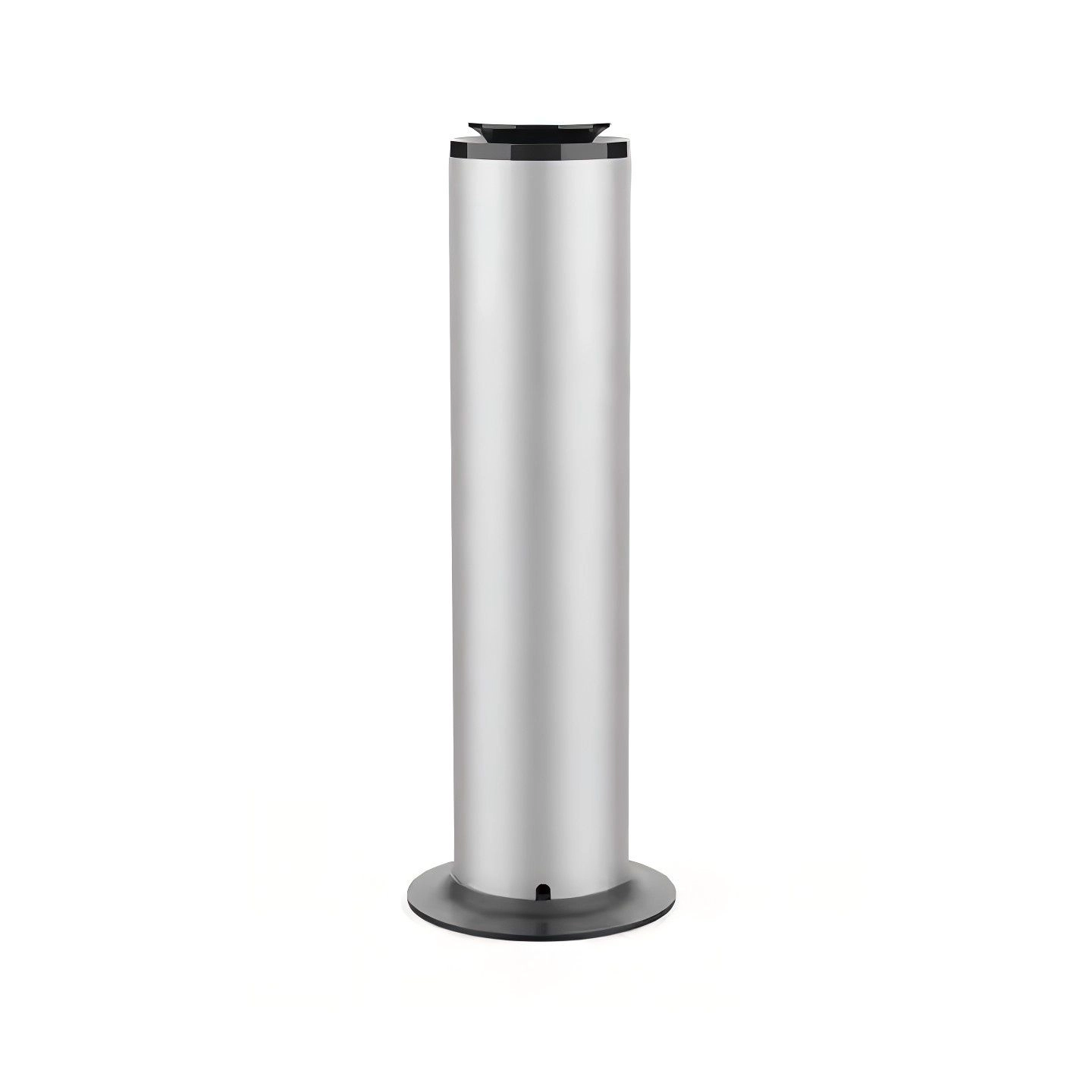
SDL308
How often do I need to add essential oils?
According to the frequency of use and concentration settings, if the 200ml essential oil warehouse is used normally for 3-7 days, the APP will issue a surplus warning in advance.
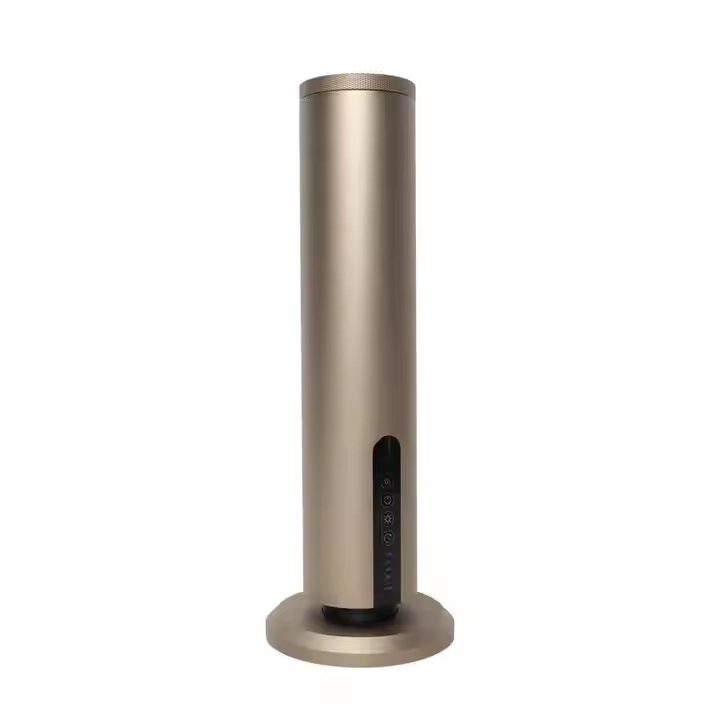
C004
How long is the service life of the equipment?
Under normal use and maintenance conditions, the service life of the product can reach 3-5 years, depending on the frequency of use.
OEM/ODM Services
Do you offer scent testing or sample kits?
Yes, we provide fragrance sample kits and product mock-ups for evaluation. Custom samples can also be created based on your formula or brief.
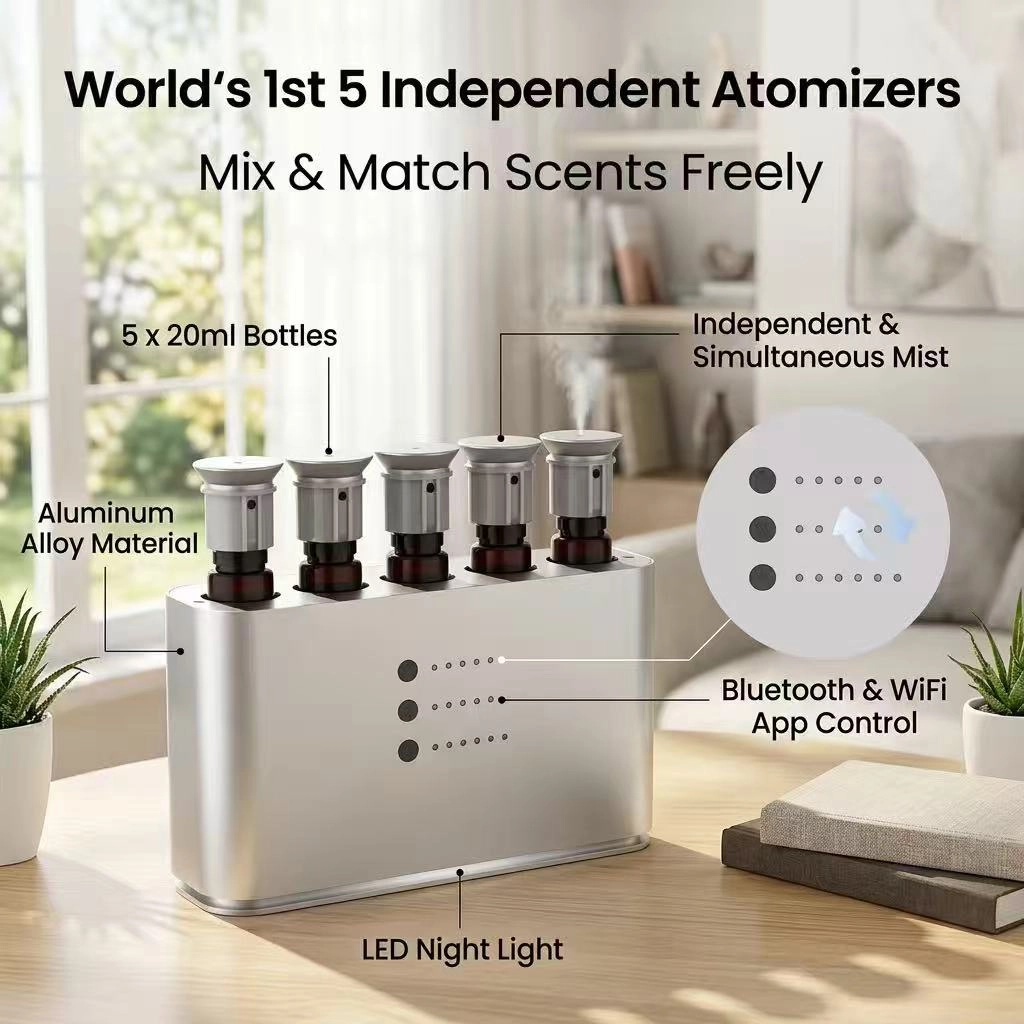
C004 pro
How often do you need to add essential oils to your fragrance machine?
The cycle of adding essential oils depends on the frequency of use and the concentration setting of the fragrance. Under normal use, the capacity of 130ml essential oil can be used for about 1-2 weeks.

Leave a Message
You can also communicate with us directly through our online contact form.
Please fill in the following information, and our team will contact you as soon as possible after receiving your message.
Rest assured that your privacy is important to us, and all information provided will be handled with the utmost confidentiality.
Let's get in touch
Email: huangxiuqing132@outlook.com
Tel: +86 180 1180 4432
WhatsApp: +86 185 9400 4460
Facebook
YouTube
TikTok