














How to Choose the home fragrance diffuser manufacturer and supplier ?
- How to Choose the Home Fragrance Diffuser Manufacturer and Supplier
- Why choosing the right home fragrance diffuser manufacturer matters
- Understand your product and market needs
- Define the diffuser type and target user
- Clarify packaging, regulatory and distribution channels
- Key evaluation criteria for manufacturers and suppliers
- 1. Quality, safety certifications and compliance
- 2. R&D capability and technology
- 3. Production capacity, lead times and scalability
- 4. Quality assurance and testing
- 5. Supply chain transparency and raw material sourcing
- 6. IP protection, OEM/ODM flexibility and customization
- 7. Sustainability and material choices
- 8. After-sales service and warranty
- Supplier types comparison
- Choose the right partner model for your goals
- How to vet a prospective manufacturer step-by-step
- Step 1 — Prepare a clear RFI/RFQ
- Step 2 — Request samples and conduct tests
- Step 3 — Factory audit and references
- Step 4 — Pilot order and KPI monitoring
- Step 5 — Contract, IP and quality agreements
- Pricing, MOQ and negotiation tips
- How to negotiate cost without sacrificing quality
- Why Saintdeland Fragrance is a competitive partner
- Saintdeland's differentiators for home fragrance diffuser brands
- Common pitfalls to avoid when choosing a supplier
- Avoid choosing solely on price or speed
- Beware of unclear IP and tooling ownership
- Conclusion
- Make a data-driven, risk-aware choice
How to Choose the Home Fragrance Diffuser Manufacturer and Supplier
Why choosing the right home fragrance diffuser manufacturer matters
Selecting the right home fragrance diffuser manufacturer and supplier is a strategic decision that affects product quality, time-to-market, margins, brand reputation, and regulatory compliance. The right partner helps you innovate reliably, scale efficiently, and meet rising consumer demands for safer, smarter, and longer-lasting scent experiences. Commercial-intent keywords: home fragrance diffuser, diffuser manufacturer, diffuser supplier.
Understand your product and market needs
Define the diffuser type and target user
Before approaching suppliers, decide whether you need an ultrasonic diffuser, nebulizing (atomizing) diffuser, heat-based diffuser, evaporative diffuser, or smart Wi-Fi/Bluetooth-enabled unit. Each technology has different manufacturing complexity, cost, fragrance concentration capability, and target customer. Nebulizing and dual-fluid atomization technologies are favored for ultra-fine, long-lasting scent dispersion—key when your priority is High Quality ambient scenting. Commercial-intent keywords: home fragrance diffuser, nebulizing diffuser, smart diffuser.
Clarify packaging, regulatory and distribution channels
Consider whether you'll sell direct-to-consumer (DTC), through retail, hospitality or B2B scenting contracts. Packaging requirements (retail displays, refill systems), safety labels, and certifications (electrical safety, chemical compliance) vary by channel and region, and should inform manufacturer selection. Keywords: diffuser supplier, packaging, certifications.
Key evaluation criteria for manufacturers and suppliers
1. Quality, safety certifications and compliance
Prioritize suppliers with recognized certifications: CE/UL/ETL for electrical safety, RoHS for hazardous substances, and IFRA-compliant fragrance formulations. For export to the US/EU, ensure fragrance and materials meet local regulatory requirements. A supplier that documents batch traceability and safety data sheets (SDS/MSDS) reduces regulatory risk. Keywords: home fragrance diffuser, certifications, IFRA.
2. R&D capability and technology
Your partner should demonstrate R&D strength—prototyping, acoustic/noise reduction, fluid dynamics, and scent diffusion optimization. Manufacturers that invest in tech (e.g., dual-fluid atomization, IoT integration for smart diffusers) help you differentiate. Check patents, lab partnerships, and product roadmap. Keywords: diffuser manufacturer, R&D, dual-fluid atomization.
3. Production capacity, lead times and scalability
Evaluate factory production lines, peak capacity, and ability to scale seasonal demand. Ask for current lead times, historical on-time delivery rate, and turnaround during peak seasons. Flexible capacity and staged scaling plans prevent stockouts and lost sales. Keywords: diffuser supplier, lead time, production capacity.
4. Quality assurance and testing
Robust QA includes Incoming Material Inspection (IQC), in-line process controls, End-of-Line (EOL) testing for airflow/power/noise, and stability tests for fragrance diffusion performance. Request sample test reports and third-party lab results where applicable. Keywords: quality control, diffuser testing.
5. Supply chain transparency and raw material sourcing
Traceable supply chains reduce risk for restricted materials and help with sustainable claims. A supplier that sources fragrance oils from certified suppliers and plastics/electrical components from reputable vendors is preferable. Ask about lead times for key components (motors, PCBs, atomization nozzles). Keywords: supply chain, raw material sourcing.
6. IP protection, OEM/ODM flexibility and customization
If you need unique form factors, custom fragrances, or branded hardware, evaluate the supplier's OEM/ODM experience and their willingness to sign NDAs and detailed IP clauses. Determine whether tooling costs, molds, and design ownership align with your budget and timeframes. Keywords: OEM diffuser, ODM diffuser, IP protection.
7. Sustainability and material choices
Consumers increasingly expect eco-conscious products: recyclable packaging, low-energy operation, refillable cartridges, and safer fragrance chemistries. Choose suppliers that offer greener materials (PCR plastics, biodegradable packaging) and energy-efficient electronics. Keywords: sustainable diffuser, eco-friendly packaging.
8. After-sales service and warranty
Clear warranty terms, spare parts availability, and technical support capacity are crucial for long-term brand reputation. Ask about Mean Time Between Failures (MTBF), spare part lead times, and returns handling policy. Keywords: warranty, after-sales service.
Supplier types comparison
Choose the right partner model for your goals
Different supplier types fit different strategies. The table below compares common options to help you decide.
| Supplier Type | R&D & IP | MOQ & Cost | Lead Time | Best for |
|---|---|---|---|---|
| In-house Manufacturer | High (full control) | High initial investment, low per-unit cost at scale | Fast once set up | Large brands, proprietary tech |
| OEM/ODM Partner | Medium to High (if R&D services offered) | Moderate MOQs, competitive pricing | Moderate | Brands needing customization & speed |
| Trading Company / Distributor | Low | Low MOQ, higher price per unit | Short for stocked items, long for custom | Small brands, test-market sellers |
How to vet a prospective manufacturer step-by-step
Step 1 — Prepare a clear RFI/RFQ
Request documentation: company profile, factory photos, production line capacity, QC procedures, certifications (CE, UL, RoHS, IFRA), sample policy, and price breakdown (tooling, unit price by tier). Clear RFQs accelerate evaluation and price transparency. Keywords: RFQ, diffuser supplier.
Step 2 — Request samples and conduct tests
Obtain functional samples and run tests: scent throw distance and duration, noise levels (dB), power consumption (W), and leakage/reservoir stability. For fragrance performance, compare scent intensity at intervals (e.g., 1 hour, 24 hours, 7 days). Third-party lab validation increases confidence. Keywords: diffuser sample testing, scent throw.
Step 3 — Factory audit and references
Arrange on-site or third-party audits to verify production claims, worker conditions, and process controls. Request references from current clients and check sample order histories and on-time delivery stats. Keywords: factory audit, supplier references.
Step 4 — Pilot order and KPI monitoring
Start with a pilot order to validate batch consistency, packaging, logistics, and after-sales handling. Define KPIs: defect rate, delivery adherence, and customer return rates. Use results to iterate before scaling up. Keywords: pilot order, KPIs.
Step 5 — Contract, IP and quality agreements
Sign comprehensive contracts: payment terms, warranty, quality acceptance criteria, IP clauses, penalties for non-compliance, and confidentiality agreements. Define escalation paths and sample retention rules. Keywords: supplier contract, IP protection.
Pricing, MOQ and negotiation tips
How to negotiate cost without sacrificing quality
Negotiate using volume tiers, longer-term purchase commitments, and consolidated shipments to lower unit cost. Consider shared tooling costs, phased rollouts, and specifying alternative approved components to avoid single-source price risk. Always balance price with documented QA to avoid hidden costs from returns and repairs. Keywords: MOQ, pricing negotiation.
Why Saintdeland Fragrance is a competitive partner
Saintdeland's differentiators for home fragrance diffuser brands
Founded in 2019, Saintdeland Fragrance is a fully integrated ambient scenting enterprise covering R&D, intelligent manufacturing, global marketing, and e-commerce. We collaborate with international research institutions and apply dual-fluid atomization technology to create ultra-fine, uniform diffusion for longer-lasting, stable scent experiences. Our use of big data informs fragrance profile design aligned to consumer preferences. With an Industry 4.0-enabled production ecosystem (IoT, AI, real-time analytics), we optimize operational costs while maximizing partner profitability. Keywords: Saintdeland, dual-fluid atomization, home fragrance diffuser.
Common pitfalls to avoid when choosing a supplier
Avoid choosing solely on price or speed
Low prices or the fastest lead time can hide poor QA, non-compliant materials, or unreliable after-sales support. Request documented test reports, factory audit results, and warranty terms. Keywords: supplier pitfalls, quality assurance.
Beware of unclear IP and tooling ownership
Clarify who owns molds, design files, and firmware to prevent surprises during scale-up or if you switch suppliers. Keywords: tooling ownership, IP risk.
Conclusion
Make a data-driven, risk-aware choice
Selecting the right home fragrance diffuser manufacturer and supplier requires balancing technical capability, quality controls, R&D strength, regulatory compliance, supply chain transparency, and commercial terms. Use structured RFQs, sample testing, factory audits, and pilot orders to validate claims. For brands seeking advanced diffusion technology, customizable solutions and Industry 4.0 manufacturing, partners like Saintdeland Fragrance combine dual-fluid atomization, big-data fragrance design, and intelligent supply chains to reduce risk and speed market entry. Keywords: home fragrance diffuser, choose supplier.
References and
- Grand View Research — Reports on air fresheners and home fragrance market dynamics.
- Statista — Market trends and consumer preferences for home scent and home fragrance products.
- Fortune Business Insights — Home fragrance market sizing and growth outlook.
- International Fragrance Association (IFRA) — Guidelines and standards for fragrance safety and formulation.
- UL (Underwriters Laboratories) and CE/ETL documentation — Electrical safety testing standards for consumer devices.
- Industry 4.0 whitepapers — IoT and AI in smart manufacturing and supply chain optimization.
Integrating Scent Machines with Digital Marketing for Business
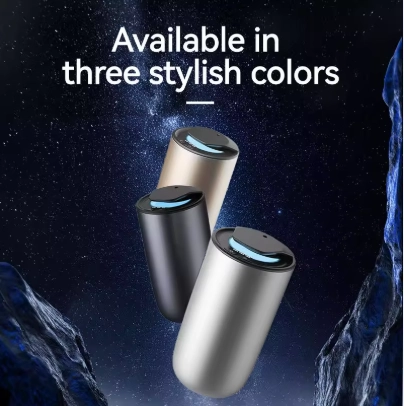
Rechargeable 15ml Mini Car Aroma Diffuser — Smart Portable Fragrance for Every Drive
How to Choose the Fragrance diffuser manufacturer and supplier in 2026?
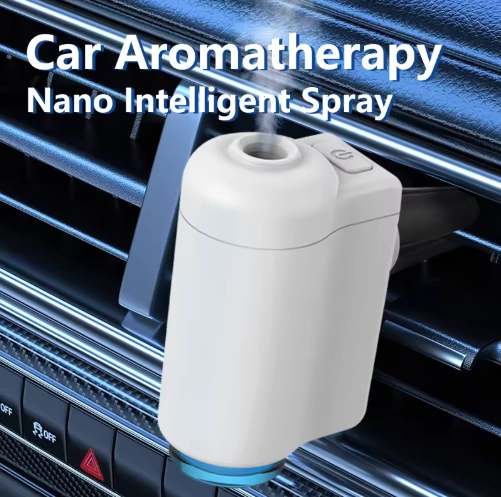
Transform Your Commute with a USB-Powered Smart Ultrasonic Car Diffuser
About Customization/OEM Service
What is the minimum order quantity for private labels?
C004
Does the equipment produce noise when it is running?
The operating noise of C004 fragrance machine is as low as 25 decibels, with almost no sound interference, which will not affect work and life.
OEM/ODM Services
Are your products compliant with international standards?
Yes. All materials used are IFRA-compliant and we follow safety and labeling regulations for Europe, North America, the Middle East, and Asia. MSDS, COA, and related certifications are available upon request.
What is the difference between OEM and ODM services?
OEM (Original Equipment Manufacturer) means we produce products based on your design, specifications, and brand. ODM (Original Design Manufacturer) means we offer ready-made products or create new ones based on our own R&D, which you can rebrand.
SDL308
Does it support synchronous control of multiple devices?
Support, up to 100 devices can be bound to a single account to achieve unified management of fragrances across regions.
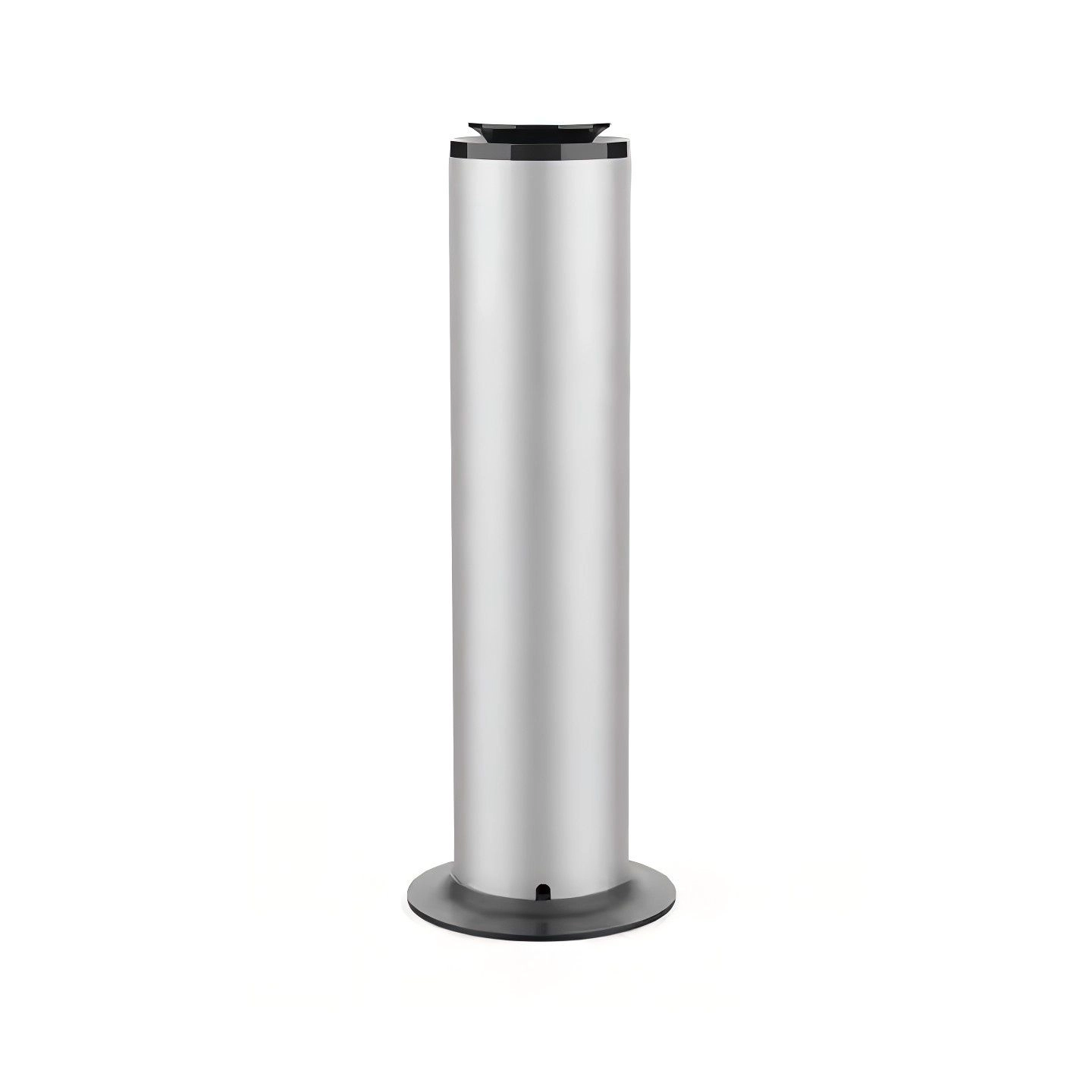
Saintdeland 609 floor standing scent diffuser | household
New Style Metal Smart Home Scent air Machine Electric 120ML Waterless Essential Oil Diffuser Hotel Tower Scent Machine
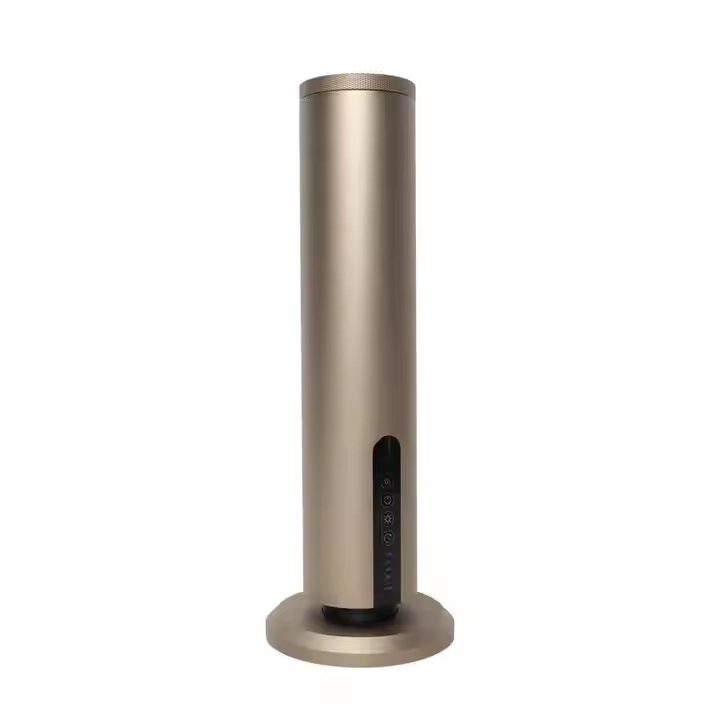
Saintdeland 802 Smart Aroma Diffuser | Bluetooth APP control | sleep aid
Top Sale Portable Wireless Battery Scent Diffuser 100ML Rechargeable Tabletop Essential Oil Home Aroma Diffuser
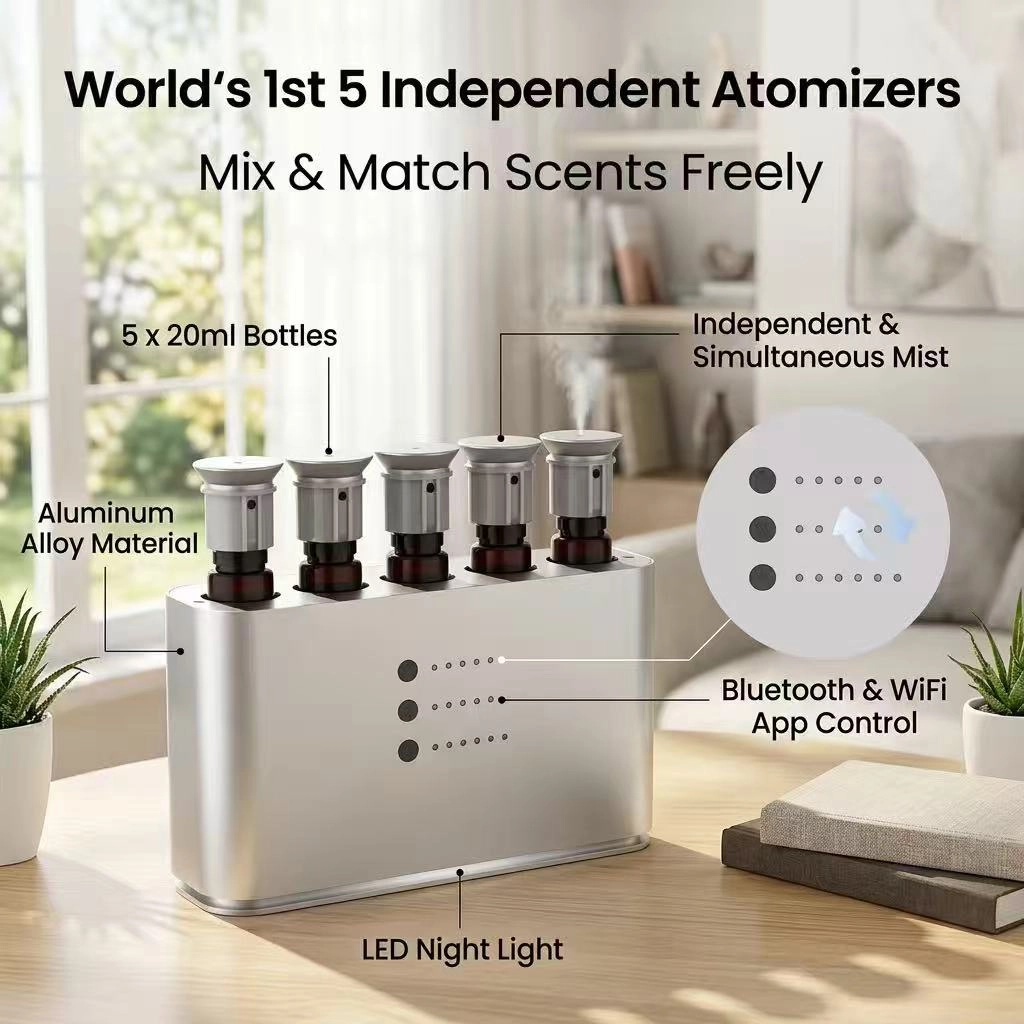
Saintdeland 311 Factory Direct Large Capacity 5-Tank Waterless Electric Essential Oil Diffuser Smart WiFi Control for Hotel Home Use
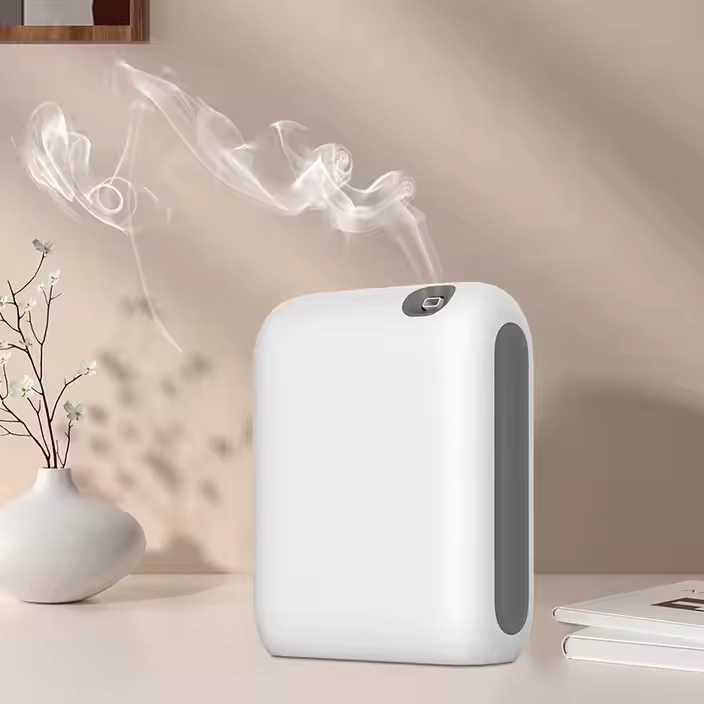
Saintdeland 308 Bluetooth Intelligent Two Fluid Nebulization Diffuser | 400 ㎡+Efficient Coverage Silent Nano level Fragrance Master
The SDL308 intelligent fragrance diffuser innovates the fragrance experience, using two fluid atomization black technologies to instantly transform 200 ml of essential oil into a nano-level fragrance mist, paired with a fan for dual diffusion, immersing a 400-500 square meter space in rich fragrance in seconds.
Through the Bluetooth smart control of the mobile app, concentration adjustment and timed switch can be controlled in one hand to meet personalized fragrance needs. The body is made of environmentally friendly plastic, with a simple white appearance that can be used in various scenarios. The operating noise is less than 35 decibels, which can bring a quiet and high-end olfactory enjoyment whether it is for home rest, office meetings, or commercial space hospitality.
Let's get in touch
Email: huangxiuqing132@outlook.com
Tel: +86 180 1180 4432
WhatsApp: +86 185 9400 4460
Facebook
YouTube
TikTok