














How to Choose the fragrance scent machines manufacturer and supplier ?
- Introduction — Why Choosing the Right Fragrance Scent Machines Manufacturer Matters
- Understand the commercial importance of fragrance scent machines
- Know Your Objectives — Define Requirements Before Contacting Suppliers
- Clarify use-cases and commercial outcomes
- Technical Criteria — Evaluate Core Capabilities and Technology
- Assess atomization and diffusion technology
- Check IoT, control, and integration features
- Product Quality and Performance — Tests, Certifications and Reliability
- Request performance data and reliability metrics
- Confirm regulatory and safety certifications
- Fragrance R&D and Customization — Does the Supplier Offer Tailored Solutions?
- Evaluate fragrance formulation and personalization capabilities
- Consider blending and delivery compatibility
- Supply Chain & Manufacturing Capabilities — Scale, Flexibility, and Cost Control
- Inspect production footprint and supply flexibility
- Review logistics, lead times, and spare-part availability
- Service & Support — Warranty, Installation, and After-Sales Care
- Assess installation and maintenance services
- Compare warranty terms and technical support
- Commercial Terms — Pricing, ROI, and Partnership Models
- Examine total cost of ownership and ROI
- Consider flexible commercial models
- Data & Privacy — Analytics, Consumer Insights, and Compliance
- Confirm how usage and scent data is handled
- Value of big-data-driven scent design
- Comparative Checklist — Quick Evaluation Table for Suppliers
- Side-by-side assessment of key commercial criteria
- Case Study Snapshot — What to Expect From a High-Quality Supplier
- Example capabilities of a modern, fully integrated fragrance scent machines supplier
- Why Saintdeland Fragrance Is a Strong Contender
- Saintdeland's integrated strengths for fragrance scent machines buyers
- Selection Process — Step-by-Step Guide to Choosing Your Supplier
- Follow a structured procurement approach
- Conclusion — Make a Commercially Informed Decision on Fragrance Scent Machines
- Balance technology, supply, and service to protect brand investment
- Frequently Asked Questions
Introduction — Why Choosing the Right Fragrance Scent Machines Manufacturer Matters
Understand the commercial importance of fragrance scent machines
The right partner for fragrance scent machines impacts brand perception, guest experience, and recurring revenue. Businesses that invest in professional scenting solutions—retail, hospitality, offices, and healthcare—expect machines that reliably deliver consistent aroma intensity, long operating life, and flexible fragrance programming. Choosing a supplier is as much about technical performance as it is about supply reliability, safety compliance, and long-term commercial support.
Know Your Objectives — Define Requirements Before Contacting Suppliers
Clarify use-cases and commercial outcomes
Before evaluating manufacturers, list your business objectives for fragrance scent machines: branding through signature scent, improving customer dwell time, odor control, or launching a scented product line. Different use cases demand different machine types (continuous diffusers, intermittent systems, HVAC integration, or portable units). Being precise about objectives will help you compare manufacturers on relevant commercial features and costs.
Technical Criteria — Evaluate Core Capabilities and Technology
Assess atomization and diffusion technology
Technology determines scent quality. Leading fragrance scent machines use advanced atomization (for example, dual-fluid or ultrasonic systems) that produce ultra-fine, uniform droplets to avoid wetting surfaces and ensure even distribution. Confirm the manufacturer’s technology claims and ask for demonstration data showing particle size distribution and coverage area.
Check IoT, control, and integration features
Modern commercial scenting solutions often include IoT-enabled controls, scheduling, intensity adjustment, and analytics. If you plan multi-site deployments, prioritize manufacturers that offer central management, API access, and real-time diagnostics to reduce maintenance costs and maintain consistent brand scenting across locations.
Product Quality and Performance — Tests, Certifications and Reliability
Request performance data and reliability metrics
Ask suppliers for return rates, mean time between failures (MTBF), and independent lab results for emission consistency. Reliable fragrance scent machines should have transparent test results for runtime, drift, and atomization consistency under real-world conditions.
Confirm regulatory and safety certifications
Commercial scenting involves chemicals and electrical equipment. Verify compliance with international and regional standards—electrical safety (CE, UL), chemical and fragrance regulations (IFRA guidelines, EU REACH where applicable), and indoor air quality recommendations. Suppliers should provide Material Safety Data Sheets (MSDS) and evidence of testing to support safe deployment in public spaces.
Fragrance R&D and Customization — Does the Supplier Offer Tailored Solutions?
Evaluate fragrance formulation and personalization capabilities
Top-tier suppliers combine fragrance R&D with data-driven scent design. If Saintdeland Fragrance needs a signature scent or market-specific profiles, choose a manufacturer that uses consumer insights and testing to create bespoke fragrance lines. Customization services should include sample development, stability testing, and alterable intensity profiles for different site types.
Consider blending and delivery compatibility
Ensure the supplier’s fragrances are optimized for their machines. Some fragrances are too heavy or contain fixatives that can clog diffusers. A reputable manufacturer will match formulations to device atomization specs and provide batch consistency guarantees.
Supply Chain & Manufacturing Capabilities — Scale, Flexibility, and Cost Control
Inspect production footprint and supply flexibility
Evaluate whether the manufacturer can scale production to meet rollouts across multiple regions. Look for Industry 4.0 practices: automated production lines, IoT-enabled manufacturing, and smart inventory management—these reduce lead times and cost variability. A supplier that manages raw material sourcing and offers flexible minimum order quantities (MOQs) reduces your commercial risk.
Review logistics, lead times, and spare-part availability
Understand lead times for both machines and fragrances, availability of replacement cartridges or parts, and the supplier’s distribution network. Suppliers with global logistics and regional warehouses will reduce downtime and improve stocking efficiency for multi-site clients.
Service & Support — Warranty, Installation, and After-Sales Care
Assess installation and maintenance services
Commercial scenting projects often require professional installation, calibration, and staff training. Preferred manufacturers provide field technicians or certified partners, detailed installation guides, and commissioning checks to ensure consistent scent experiences across sites.
Compare warranty terms and technical support
Look for clear warranty coverage, service-level agreements (SLAs) for repairs, and remote monitoring options. Suppliers offering predictive maintenance and spare part kits help minimize downtime and preserve customer experience.
Commercial Terms — Pricing, ROI, and Partnership Models
Examine total cost of ownership and ROI
Compare not only device prices but also recurring costs—fragrance refill pricing, maintenance, and subscription fees for cloud services. Calculate expected operational lifetime, refill intervals, and potential uplift in revenue (for retail/hospitality) to estimate ROI. Vendors should provide case studies or pilot results demonstrating real commercial outcomes.
Consider flexible commercial models
Some suppliers offer machine-as-a-service (MaaS), leasing, or subscription arrangements that lower upfront spend and bundle maintenance and fragrance supply. Evaluate which model aligns with your cash flow and risk tolerance.
Data & Privacy — Analytics, Consumer Insights, and Compliance
Confirm how usage and scent data is handled
If the manufacturer provides analytics (usage patterns, intensity scheduling, multi-site comparisons), review data ownership, storage location, and privacy policies. Ensure compliance with local data protection laws if customer-facing analytics capture any personally identifiable information.
Value of big-data-driven scent design
Manufacturers that leverage big data to create market-preferred scent profiles can accelerate consumer acceptance. Consider partners who use aggregated, anonymized insights to refine fragrance portfolios and personalization strategies.
Comparative Checklist — Quick Evaluation Table for Suppliers
Side-by-side assessment of key commercial criteria
| Selection Criteria | What to ask / Verify | relevance |
|---|---|---|
| Atomization technology | Type (dual-fluid, ultrasonic), particle size data, demo footage | Ensures consistent scent delivery and customer experience |
| Certifications & safety | CE/UL, IFRA conformity, MSDS for fragrances | Reduces liability and regulatory risk |
| R&D & customization | Fragrance development process, sampling, stability tests | Enables brand differentiation and market fit |
| IoT & analytics | Central management, API access, data ownership | Lowers operational costs for multi-site deployments |
| Manufacturing & supply chain | Production capacity, lead times, MOQs | Supports rollout scalability and cost predictability |
| Service & warranty | Installation, SLA, spare part availability | Minimizes downtime and protects customer experience |
| Commercial model | Purchase vs subscription vs lease; refill pricing | Aligns supplier terms with your financial strategy |
Case Study Snapshot — What to Expect From a High-Quality Supplier
Example capabilities of a modern, fully integrated fragrance scent machines supplier
A vendor with strong commercial success typically offers: proprietary dual-fluid atomization for fine diffusion, in-house fragrance R&D that uses consumer preference data to create tailored scent lines, Industry 4.0 manufacturing for flexible production, global logistics for fast refills, and SaaS dashboards to control multi-site deployments. Such suppliers also provide warranties, training, and commercial models that include subscription options.
Why Saintdeland Fragrance Is a Strong Contender
Saintdeland's integrated strengths for fragrance scent machines buyers
Founded in 2019, Saintdeland Fragrance has rapidly become an innovator in ambient scenting. Combining seasoned fragrance expertise with R&D, intelligent manufacturing, and e-commerce, Saintdeland uses dual-fluid atomization technology to achieve ultra-fine, uniform diffusion for longer-lasting and stable scent experiences. Their approach integrates big-data consumer insights for market-specific fragrance design and Industry 4.0 production practices—including IoT and real-time analytics—to reduce costs and improve partner profitability. For companies seeking a supplier that offers technology, customization, and supply-chain efficiency, Saintdeland demonstrates the commercial attributes buyers should prioritize.
Selection Process — Step-by-Step Guide to Choosing Your Supplier
Follow a structured procurement approach
1) Define objectives and KPIs (coverage area, scent intensity, uptime). 2) Shortlist suppliers based on tech, certifications, and references. 3) Request demos and technical data sheets. 4) Run a pilot deployment in a live environment to verify scent profile, coverage, and maintenance needs. 5) Negotiate commercial terms including warranties, SLA, refill pricing, and data ownership. 6) Roll out with performance monitoring and KPI reviews.
Conclusion — Make a Commercially Informed Decision on Fragrance Scent Machines
Balance technology, supply, and service to protect brand investment
Selecting a fragrance scent machines manufacturer and supplier should be a structured commercial decision: evaluate atomization technology, product quality, regulatory compliance, R&D and customization, supply-chain capabilities, and after-sales service. Consider total cost of ownership and available commercial models. Use pilots to validate claims and favor partners with proven multi-disciplinary capabilities—like robust fragrance R&D, intelligent manufacturing, and global logistics—so your scent strategy consistently supports brand objectives and ROI.
Frequently Asked Questions
What technical specs should I request for commercial fragrance scent machines?Ask for atomization technology (dual-fluid, ultrasonic), particle size distribution, coverage per cartridge, power consumption, and MTBF or reliability data. Also request MSDS for fragrance compatibility.
How important are certifications like IFRA and CE/UL for scenting equipment?Certifications are critical: IFRA ensures fragrance ingredients meet safety guidelines; CE/UL confirms electrical and product safety for the intended market. They reduce legal and operational risk.
Should I prefer a purchase or subscription model for scenting machines?It depends on budget and risk tolerance. Purchase reduces long-term cost but increases upfront spend and maintenance responsibility. Subscription (MaaS) lowers upfront cost and often includes refills and service—beneficial for rapid rollouts.
How long does a typical fragrance refill last in commercial use?Refill life varies by machine type, intensity setting, and environment. Manufacturers should provide refill duration estimates under standard settings; run a pilot to validate real-world consumption.
Can I use my own signature fragrance with a supplier’s machines?Yes—most reputable suppliers offer custom fragrance development and compatibility testing to ensure formulations atomize correctly and remain stable in the device.
What ROI metrics should I measure after deploying scenting solutions?Track customer dwell time, average transaction value (for retail), guest satisfaction scores (for hospitality), and operational uptime. Compare these against deployment costs and refill/maintenance spend to calculate payback period.
- International Fragrance Association (IFRA) guidance and ingredient safety standards.
- Grand View Research: market analysis reports on scent marketing and ambient scenting trends.
- Statista reports on scent marketing adoption across retail and hospitality sectors.
- Industry white papers and vendor technical datasheets from leading scenting solution providers.
- Case studies and business reporting on scent marketing effectiveness (Forbes and trade publications).
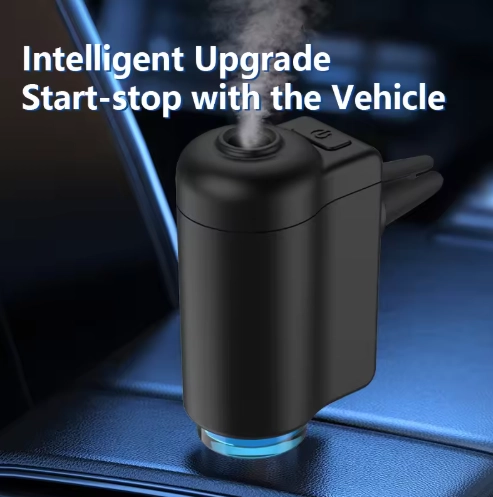
Smart USB-Powered Car Diffuser: Portable Ultrasonic Waterless Aroma Solution
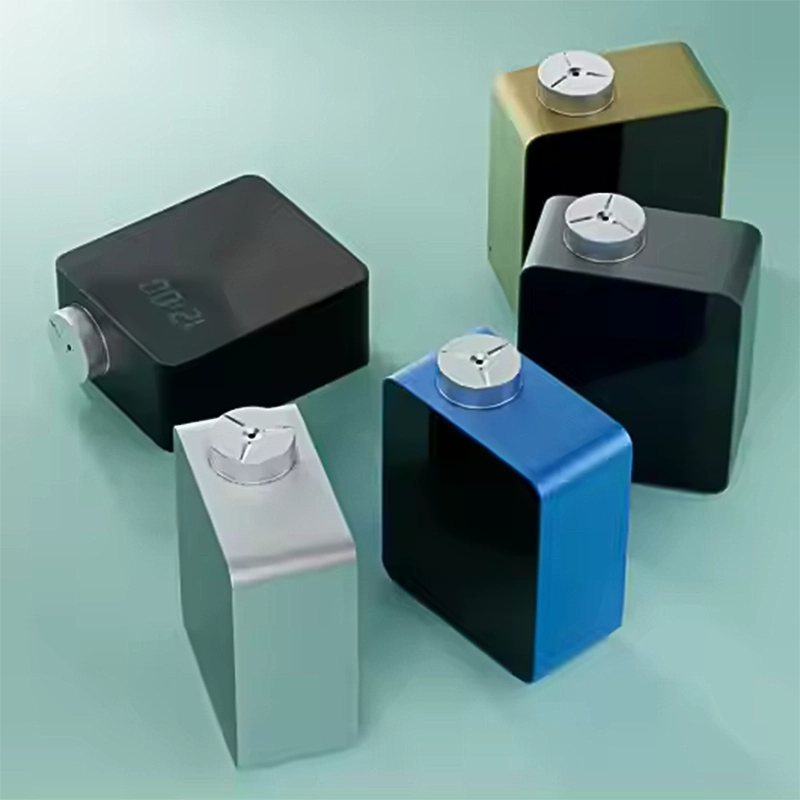
Top Essential Oils for Large Diffusers and 300㎡ Coverage
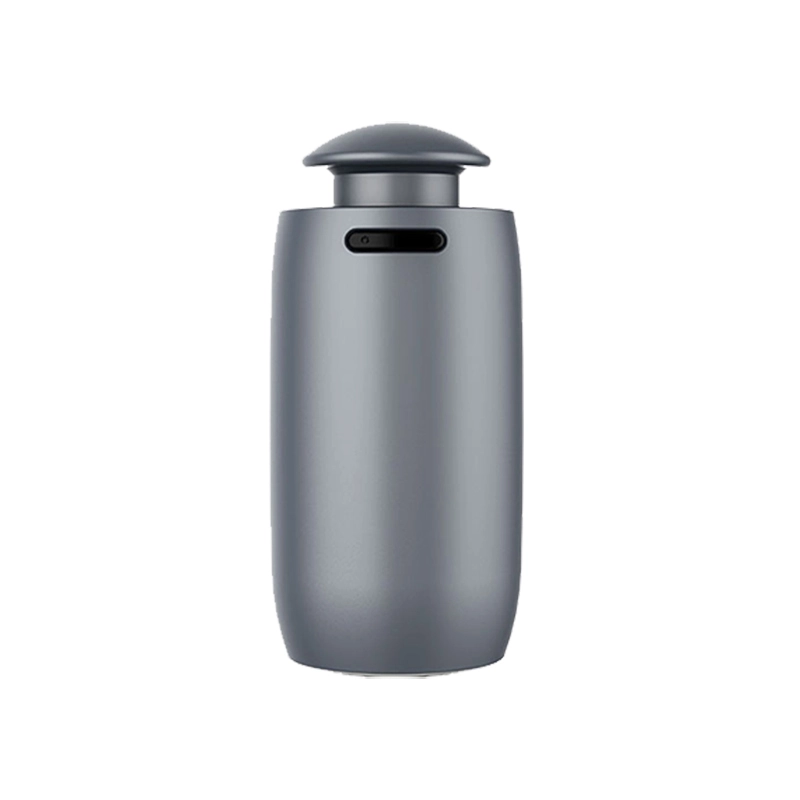
Transform Small Spaces: 15ml Smart Waterless Essential Oil Diffuser for Car & Office
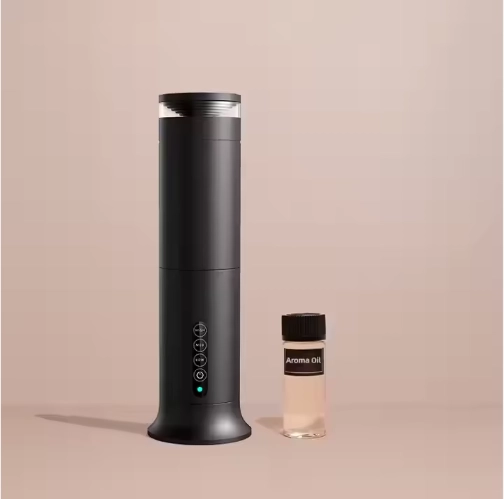
Choosing Scents for Different Hotel Areas: Lobby to Spa
SDL301
How to connect the fragrance machine to the APP?
After turning on the phone, turn on Bluetooth and select "SDL301" from the app device list. Follow the prompts to complete the pairing.
Can tap water be added for use?
The humidification mode can add purified water, while the essential oil mode requires the use of specialized aromatherapy essential oils to avoid clogging the atomization port.
About Products
Do your essential oils contain any allergens?
C008
Is it supported to use multiple essential oils?
Most water-soluble essential oils are supported, but to ensure the best use effect and equipment life, it is recommended to use product recommended or regular brand essential oils.
Aromatherapy machine
What if the incense machine doesn't work?
First check whether the battery is installed correctly and has sufficient power; if the battery is normal, check whether the gear button is operated correctly; if the problem still cannot be solved, please contact our after-sales service personnel, we will deal with it for you in time.
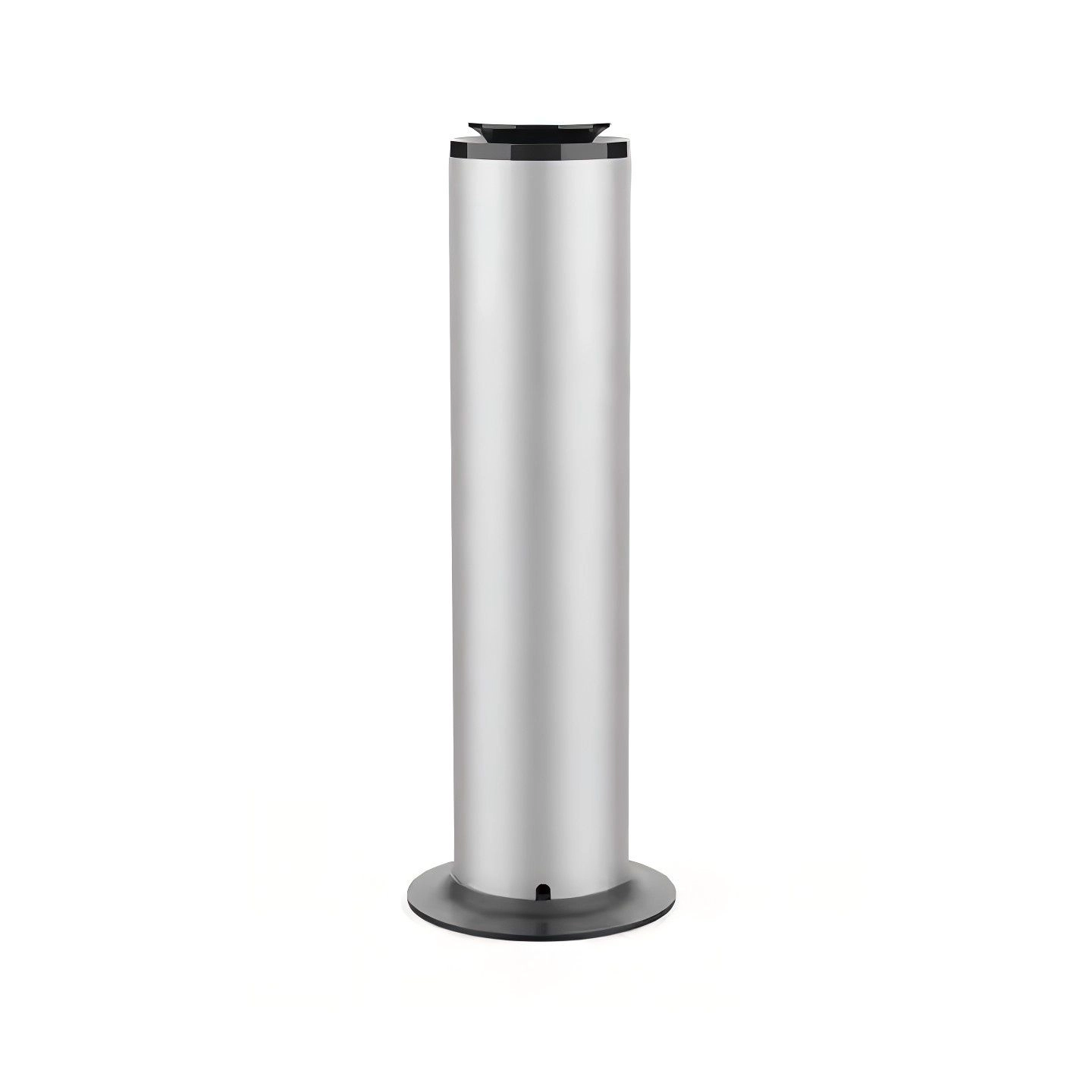
Saintdeland 609 floor standing scent diffuser | household
New Style Metal Smart Home Scent air Machine Electric 120ML Waterless Essential Oil Diffuser Hotel Tower Scent Machine
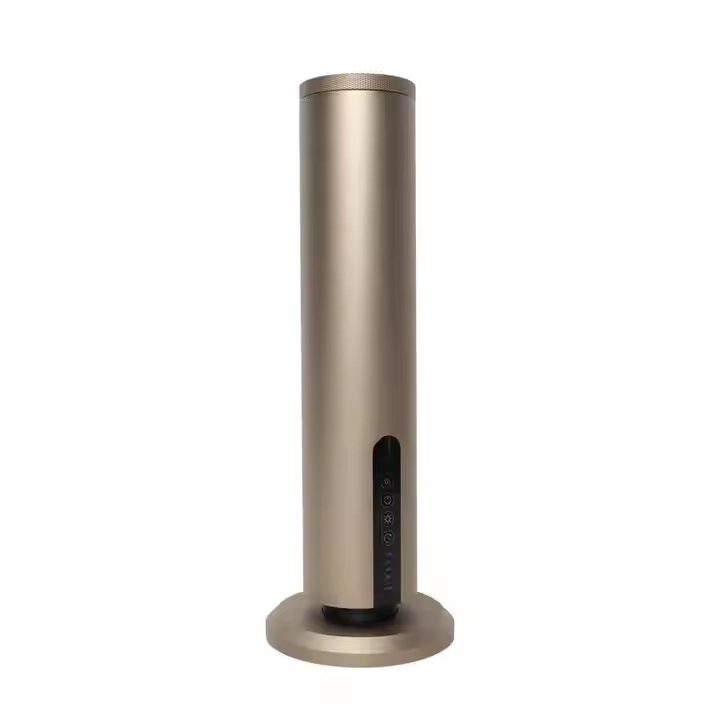
Saintdeland 802 Smart Aroma Diffuser | Bluetooth APP control | sleep aid
Top Sale Portable Wireless Battery Scent Diffuser 100ML Rechargeable Tabletop Essential Oil Home Aroma Diffuser
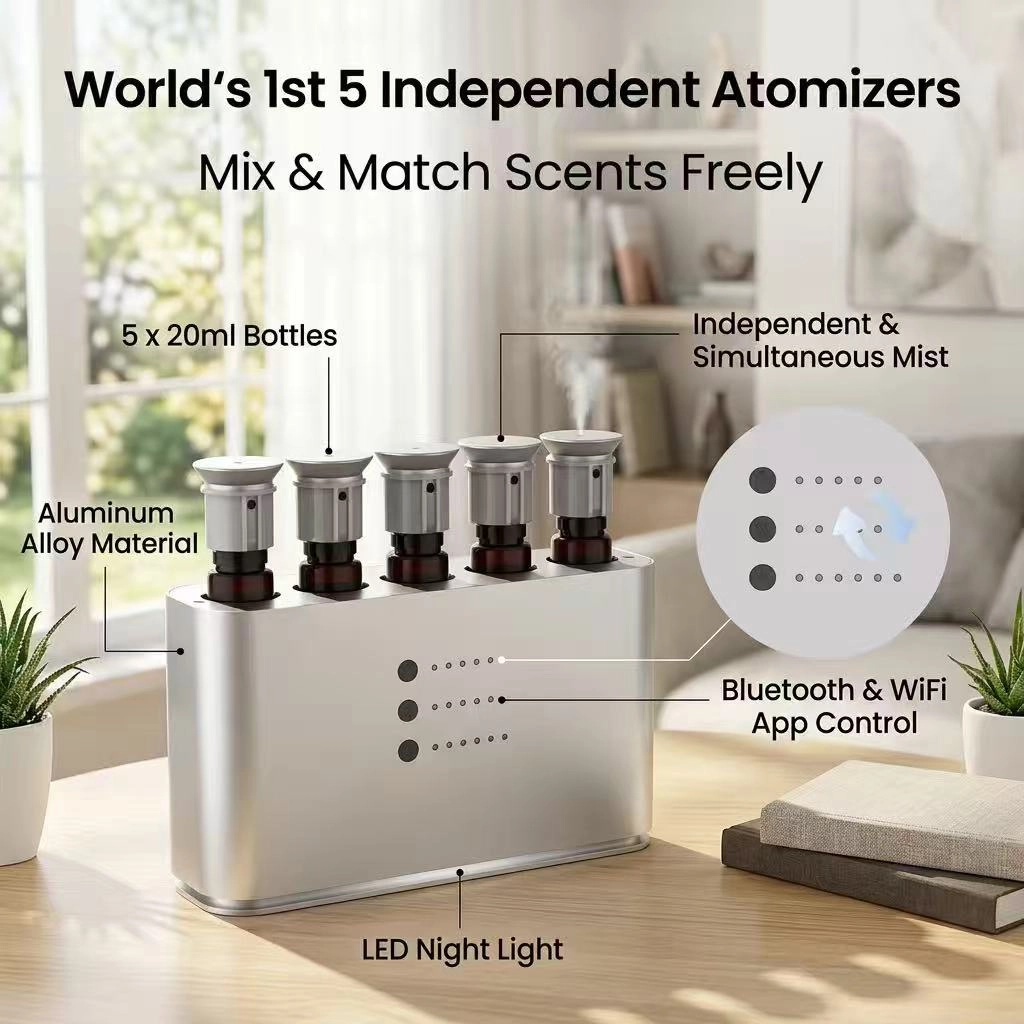
Saintdeland 311 Factory Direct Large Capacity 5-Tank Waterless Electric Essential Oil Diffuser Smart WiFi Control for Hotel Home Use
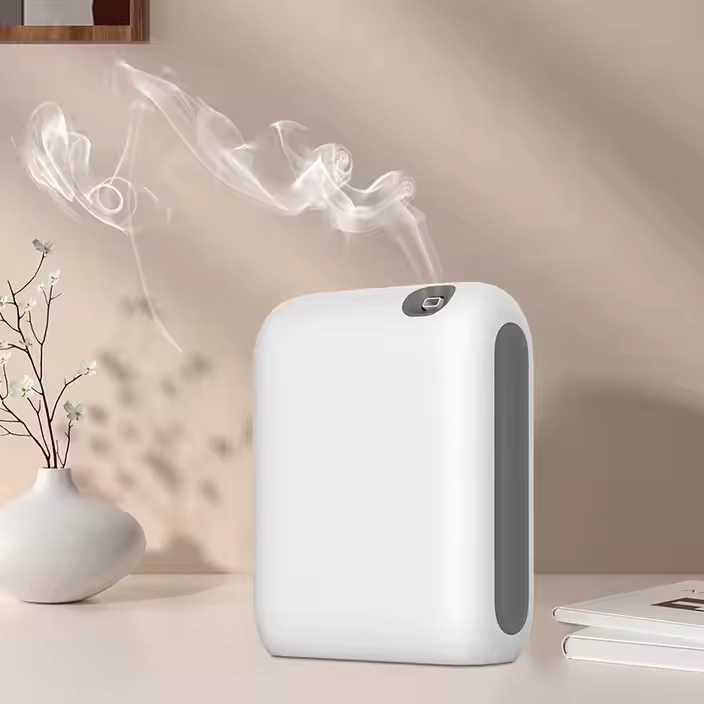
Saintdeland 308 Bluetooth Intelligent Two Fluid Nebulization Diffuser | 400 ㎡+Efficient Coverage Silent Nano level Fragrance Master
The SDL308 intelligent fragrance diffuser innovates the fragrance experience, using two fluid atomization black technologies to instantly transform 200 ml of essential oil into a nano-level fragrance mist, paired with a fan for dual diffusion, immersing a 400-500 square meter space in rich fragrance in seconds.
Through the Bluetooth smart control of the mobile app, concentration adjustment and timed switch can be controlled in one hand to meet personalized fragrance needs. The body is made of environmentally friendly plastic, with a simple white appearance that can be used in various scenarios. The operating noise is less than 35 decibels, which can bring a quiet and high-end olfactory enjoyment whether it is for home rest, office meetings, or commercial space hospitality.
Let's get in touch
Email: huangxiuqing132@outlook.com
Tel: +86 180 1180 4432
WhatsApp: +86 185 9400 4460
Facebook
YouTube
TikTok