














The Ultimate Guide to Essential Oil Selection: From Beginner to Expert, Avoid 99% of the Pitfalls
I. 4 Essential Truths You Must Know Before Purchasing
II. Four-Step Selection Method: Shop Smart, Avoid All Pitfalls
- I. 4 Essential Truths You Must Know Before Purchasing
- II. Four-Step Selection Method: Shop Smart, Avoid All Pitfalls
- Step 1: Check the Bottle — Details Reflect Professionalism
- Step 2: Smell the Aroma — Your Nose Never Lies
- Step 3: Test the Texture — Simple & Practical Identification Methods
- Step 4: Verify the Brand Background — Brand Strength Matters
I. 4 Essential Truths You Must Know Before Purchasing
-
Price ≠ Quality, but Excessively Low Prices Are Definitely SuspiciousTo produce just 1ml of genuine rose essential oil, approximately 5,000 rose petals are required.For lavender essential oil, it takes around 100 kilograms of fresh flowers.If the price is unbelievably low, the product is most likely made of chemically synthesized fragrances or highly diluted oils.
-
"100% Pure & Natural" Is the Baseline, Not a Selling PointIt’s as ridiculous as labeling mineral water as "100% water". What you really need to focus on includes:
- Plant Variety: For example, lavender is categorized into Lavandula angustifolia and Lavandula spica, among others.
- Origin: Different soil and climatic conditions yield oils with distinct chemical compositions.
- Extraction Part: Oils extracted from flowers, leaves, roots, or fruit peels deliver completely different effects.
-
There Is No "One-Size-Fits-All Essential Oil"Any brand claiming that a single bottle can solve all problems is unprofessional. Professional aromatherapists typically blend 3–5 types of essential oils based on specific needs.
-
Safety Trumps Efficacy
- Prohibited for Pregnant Women: Rosemary, clary sage, peppermint, etc.
- Photosensitivity (Avoid Sun Exposure After Use): Citrus essential oils (lemon, sweet orange, grapefruit, etc.)
- Dilution Is a Must: With the exceptions of lavender and tea tree oil, the vast majority of essential oils cannot be applied directly to the skin.
II. Four-Step Selection Method: Shop Smart, Avoid All Pitfalls
Step 1: Check the Bottle — Details Reflect Professionalism
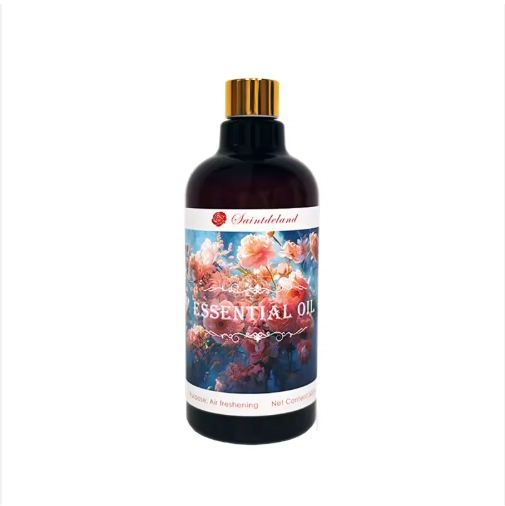
- Dark-colored glass bottles (amber or blue) to protect oils from light damage
- Dropper design for precise dosage control
- Complete labeling on the bottle, including:
- Latin name (e.g., Lavandula angustifolia)
- Extraction part (flower, leaf, etc.)
- Origin (Provence, France; Bulgaria, etc.)
- Extraction method (steam distillation, cold-pressed, etc.)
- Volume, batch number, and shelf life
- Transparent plastic bottles
- Vague labeling with only a generic name like "lavender essential oil" and no detailed information
- Exaggerated claims about magical effects
Step 2: Smell the Aroma — Your Nose Never Lies
- Distinct top, middle, and base notes: The scent evolves noticeably when first smelled, after a few minutes, and again after half an hour.
- Non-pungent: Even if the aroma is strong, it won’t have the acrid, chemical-like sting.
- Naturally lingering fragrance: A subtle scent remains after 2–3 hours without clinging uncomfortably in your nasal cavity.
- Flat, unchanging scent profile
- Causes dizziness or nausea when smelled for an extended period
- Artificially sweet or overwhelmingly strong aroma
Step 3: Test the Texture — Simple & Practical Identification Methods
- Natural essential oil: Floats on the surface and spreads into a thin oil film
- Adulterated oil: Dissolves quickly or sinks to the bottom
- Natural essential oil: Evaporates completely within a few hours, leaving no greasy residue (except for resin-based oils)
- Adulterated oil: Leaves a distinct oily ring
Step 4: Verify the Brand Background — Brand Strength Matters
- Does the brand have its own plantation base?
- Does it publicly provide Gas Chromatography-Mass Spectrometry (GC-MS) test reports?
- What do aromatherapist communities say about the brand?
- What is the brand’s history and professional background?
SDL306
Is the product noisy?
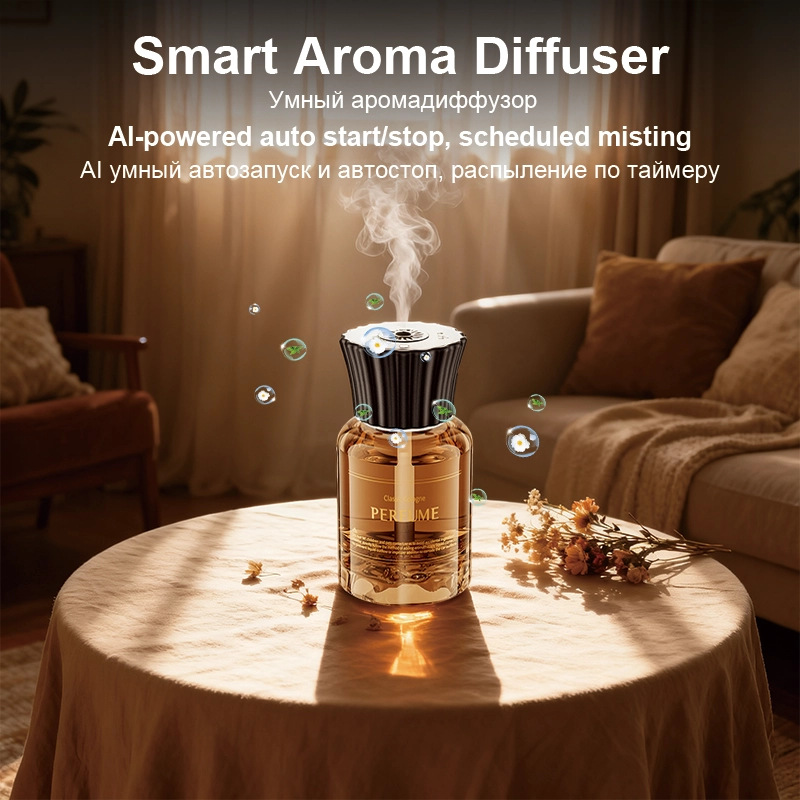
The SDL306 aroma diffuser has extremely low operating noise, far below the normal conversation volume, and is almost imperceptible.
About Logistics
How long does international transportation take?
C008
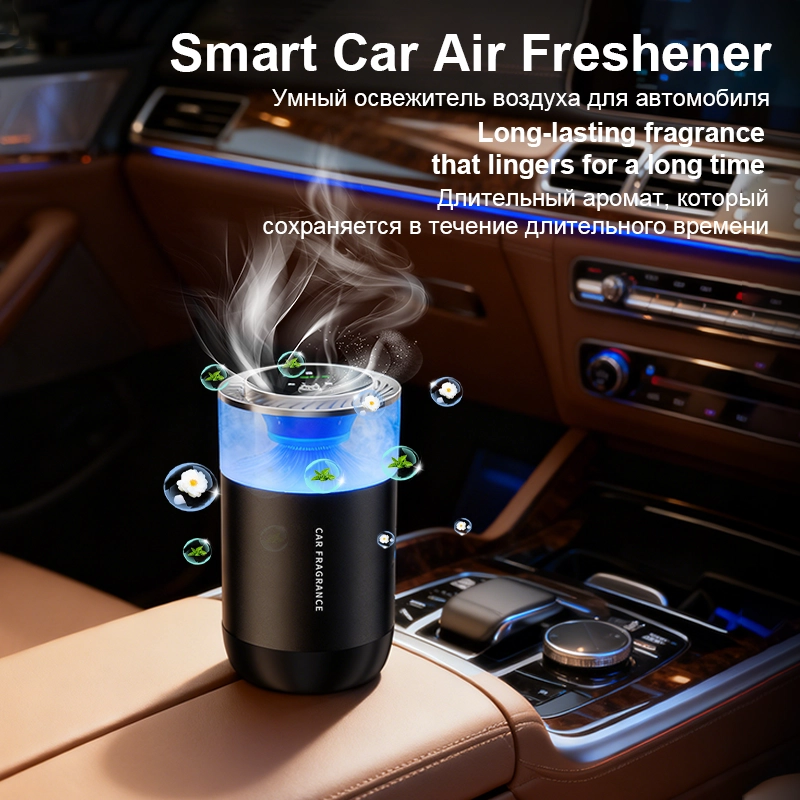
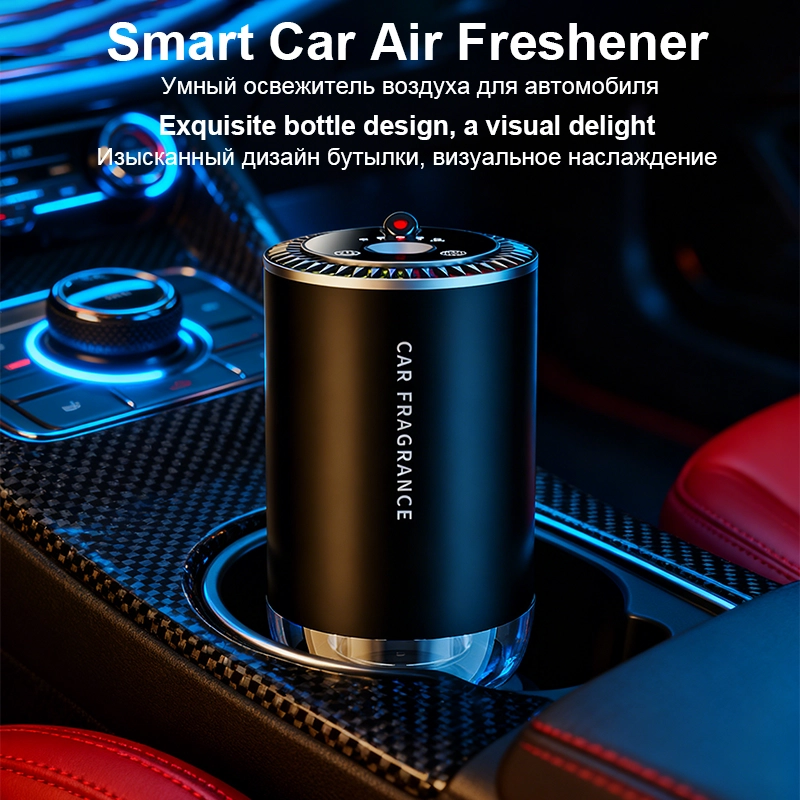
Will the air freshener machine shake or fall off during the car's journey?
The bottom of the product is designed with anti-slip silicone pad, which can be placed steadily. The weight of the body is moderate, so there will be no shaking or falling during normal driving. If you still have concerns, you can use anti-slip pad or fixing bracket.
SDL310
Does it support synchronous control of multiple devices?
Support: A single account can bind up to 100 devices to achieve unified management of fragrance across regions.
C004
How long is the service life of the equipment?
Under normal use and maintenance conditions, the service life of the product can reach 3-5 years, depending on the frequency of use.

Leave a Message
You can also communicate with us directly through our online contact form.
Please fill in the following information, and our team will contact you as soon as possible after receiving your message.
Rest assured that your privacy is important to us, and all information provided will be handled with the utmost confidentiality.
Let's get in touch
Email: huangxiuqing132@outlook.com
Tel: +86 180 1180 4432
WhatsApp: +86 185 9400 4460
Facebook
YouTube
TikTok