














Why Scent Marketing ROI Beats Traditional Signage: The Science of Sensory Sales (2026)
- What is Scent Marketing ROI?
- Quick Summary & Key Takeaways
- The Science of Sensory Sales: Scent vs. Traditional Signage
- The Limitation of Visual Signage and Banner Blindness
- The Neurological Advantage of Ambient Scenting
- Behavioral Impact and Time Perception
- The Financial Impact: Scent Marketing Statistics You Can't Ignore
- Compelling Industry Case Studies
- Data Comparison: Scent Marketing vs. Visual Signage
- Why Smart Technology Maximizes Returns in 2026
- The Evolution of Commercial Scent Diffusers
- Leveraging AI and IoT for Efficiency
- Continuous, Adaptable Ambiance
- Saintdeland: Your Global Partner for Maximum Scent Marketing ROI
- Cutting-Edge Hardware and Dual-Fluid Atomization
- An Industry 4.0 Ecosystem
- Custom Fragrance Solutions Backed by Big Data
- Expert Tips & Common Mistakes in Ambient Scenting
- Common Implementation Mistakes
- Expert Tips for Success
- Conclusion
- FAQs About scent marketing ROI
- How do you measure scent marketing ROI?
- What is the average sales increase from scent marketing?
- Why does scent marketing work better than visual ads?
- How much does a commercial scent diffuser cost?
- What industries benefit the most from ambient scenting?
- Does scent marketing increase dwell time in retail?
- What is dual-fluid atomization technology?
- How can I start using scent marketing for my business?
What is Scent Marketing ROI?
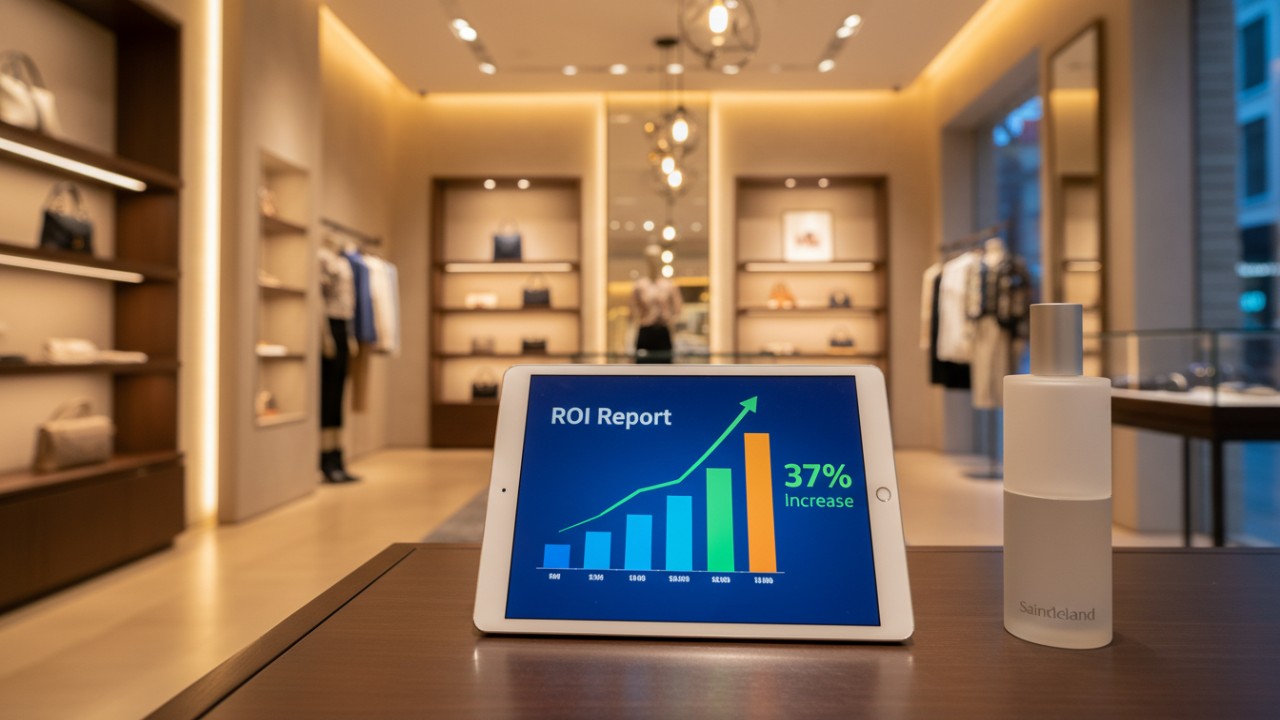
Scent marketing ROI measures the financial return generated by using ambient fragrances to influence customer behavior, elevate mood, and drive sales. Compared to standard visual signage, it yields higher returns by directly stimulating the brain's limbic system, bypassing cognitive filters to extend dwell times and measurably boost profit margins.
In the hyper-competitive retail and hospitality landscapes of 2026, capturing consumer attention is more challenging than ever. Traditional visual and auditory marketing strategies are losing their effectiveness as consumers develop subconscious filters to block out advertisements. This is where the science of sensory sales steps in. By leveraging the power of smell—the sense most closely tied to memory and emotion—businesses can create immersive environments that not only delight customers but also deliver a profound and measurable return on investment.
Quick Summary & Key Takeaways
- Emotional Superiority: Scent marketing drives a significantly stronger emotional connection than visual ads, directly increasing a consumer's willingness to pay for products and services.
- Measurable Growth: Retail stores and hospitality venues consistently see up to a 37% increase in sales and a 44% increase in dwell time when implementing strategic ambient scenting.
- Data-Driven Ambiance: In 2026, combining big data analytics with smart diffusers is the most reliable way to track, manage, and maximize your sensory marketing ROI across global locations.
- Hardware Innovation: Upgrading to advanced dual-fluid atomization technology ensures consistent, ultra-fine fragrance delivery while significantly lowering operational and maintenance costs.
The Science of Sensory Sales: Scent vs. Traditional Signage
The science of sensory sales proves that olfactory stimulation bypasses the rational brain to create instant emotional connections, whereas traditional signage often falls victim to consumer "banner blindness." By engaging the olfactory bulb, businesses can trigger immediate memories and purchasing behaviors that visual ads simply cannot achieve.
The Limitation of Visual Signage and Banner Blindness
Modern consumers are bombarded with thousands of visual marketing messages daily. As a defense mechanism, the human brain has adapted to ignore these stimuli, a phenomenon widely known as banner blindness. Whether it is a digital display in a shopping mall or a promotional poster in a hotel lobby, traditional signage requires conscious cognitive processing. If the consumer is distracted, in a hurry, or simply overwhelmed by visual noise, the marketing message is completely lost, resulting in wasted advertising spend.
The Neurological Advantage of Ambient Scenting
Unlike sight or sound, which are processed through the brain's analytical centers (the thalamus), the sense of smell is wired directly to the olfactory bulb. This area is directly connected to the limbic system, the primitive part of the brain responsible for emotion, mood, and memory formation. When a customer inhales a pleasant ambient fragrance, they experience an immediate, subconscious emotional reaction before they even realize what they are smelling. This biological shortcut makes scent marketing an unavoidable and deeply impactful branding tool.
Behavioral Impact and Time Perception
Studies have shown that simple, pleasant scents like citrus or vanilla can drastically alter consumer behavior. For instance, a well-calibrated retail dwell time fragrance can naturally distort a customer's perception of time. In a visually noisy environment, shoppers often feel rushed and stressed. However, in a pleasantly scented environment, customers feel relaxed, causing them to linger longer. This increased dwell time naturally translates into a higher probability of impulse purchases and deeper brand engagement.
The Financial Impact: Scent Marketing Statistics You Can't Ignore
The financial impact of scent marketing is driven by measurable increases in sales, customer dwell time, and perceived product value. By strategically deploying ambient fragrances, businesses can boost sales by up to 37% and significantly increase the amount of time shoppers spend interacting with products.
To truly understand why sensory strategies outperform visual ads, we must look at the hard sensory marketing statistics that dictate modern business investments. The data overwhelmingly supports the transition from visual-only to multi-sensory environments.
Compelling Industry Case Studies
- The Harvard Business Review Insights: Research has consistently shown the power of emotional connection in retail. Studies highlighted by industry analysts reveal that ambient scenting can improve customer mood by 31% and boost overall sales by up to 37%.
- The Nike Experiment: A famous study documented by Business News Daily demonstrated that customers were 84% more likely to purchase shoes in a scented environment. Furthermore, these consumers were willing to pay 10-20% more for the exact same pair of shoes compared to those in an unscented control room.
- Memory Retention: Studies show that visual memory declines to around 50% accuracy after just three months. In contrast, people can still recall scents with approximately 65% accuracy even after a full year—demonstrating that scent-based branding leaves a more durable and lasting impression on consumers.
Data Comparison: Scent Marketing vs. Visual Signage
| Metric | Traditional Visual Signage | Scent Marketing | Business Impact |
|---|---|---|---|
| Cognitive Processing | High (Requires conscious attention) | Low (Subconscious, automatic) | Scent bypasses resistance, ensuring 100% exposure. |
| Ad Avoidance | High ("Banner Blindness") | Zero (Cannot be "turned off") | Guarantees marketing message delivery. |
| Dwell Time Impact | Negligible | Increases by up to 44% | Longer visits lead to higher transaction values. |
| Memory Recall (1 Year) | Low (~20-30%) | High (~65%) | Drives repeat visits and long-term brand loyalty. |
| Value Perception | Static | Increases willingness to pay by 10-20% | Directly improves profit margins. |
Why Smart Technology Maximizes Returns in 2026
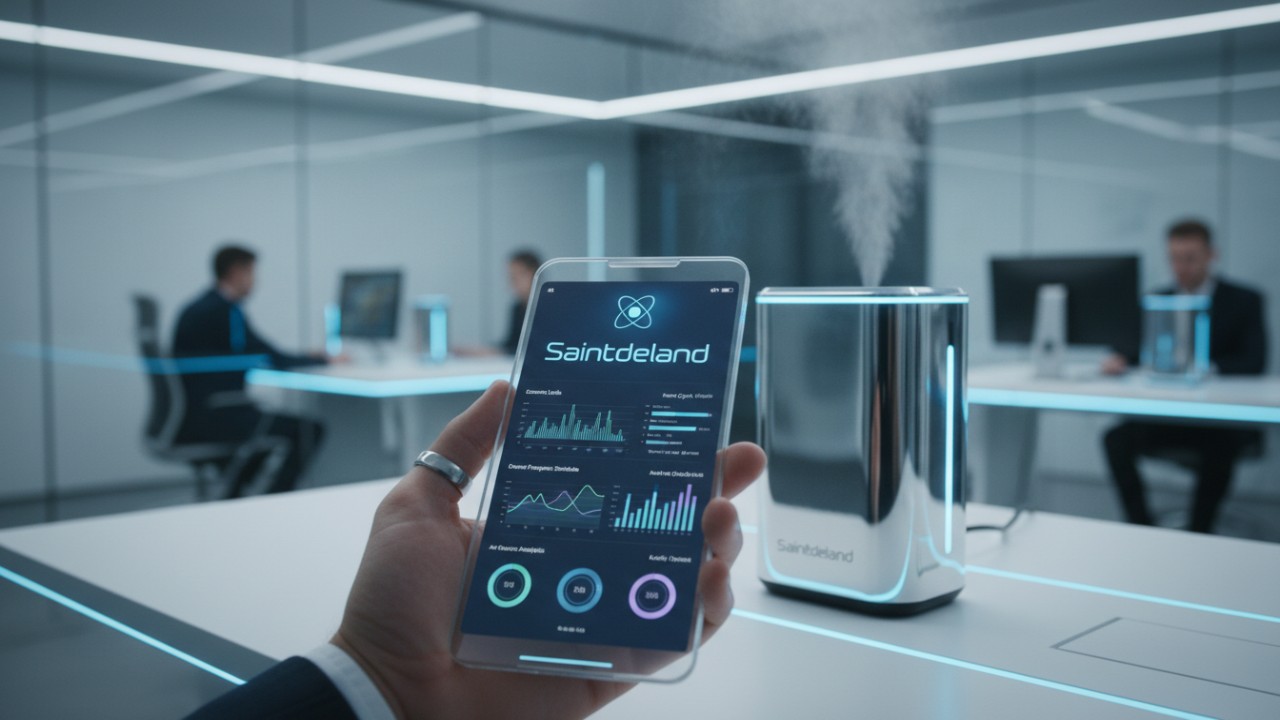
In 2026, maximizing your commercial scent diffuser ROI requires transitioning from basic oil burners to intelligent, IoT-enabled diffusion systems. These smart devices use big data to optimize fragrance delivery, reduce waste, and ensure a consistent ambient experience that scales across multiple locations.
The Evolution of Commercial Scent Diffusers
The days of using simple essential oil burners or aerosol sprays in commercial settings are long gone. These outdated methods provide uneven scent distribution, waste expensive fragrance oils, and require constant manual maintenance. In 2026, maximizing your return on investment depends entirely on the hardware you deploy.
Leveraging AI and IoT for Efficiency
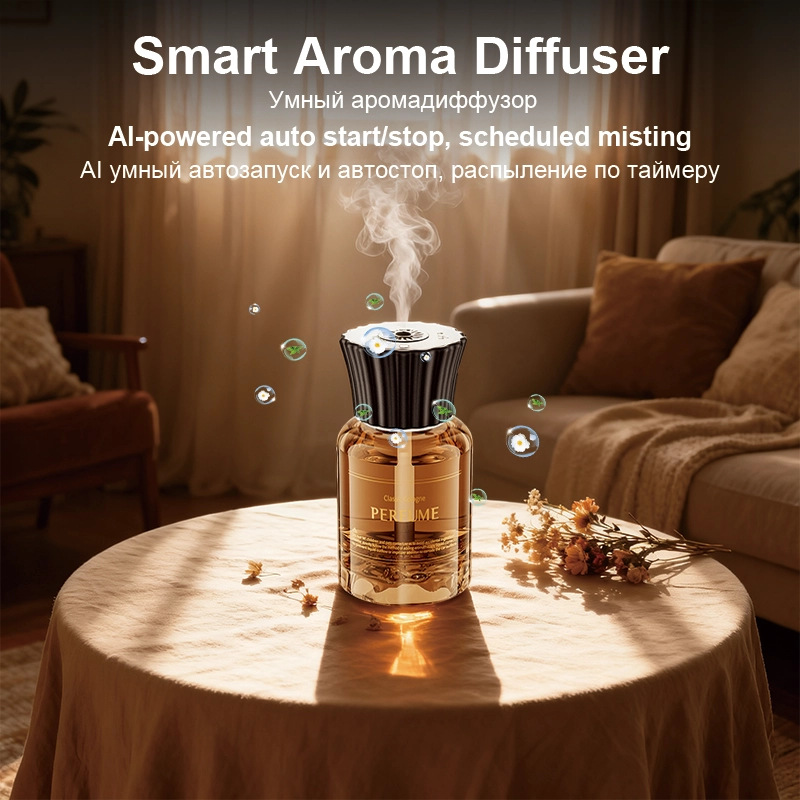
Modern commercial scent diffusers are integrated with the Internet of Things (IoT) and Artificial Intelligence (AI). This allows facility managers to control the scent intensity of hundreds of global locations from a single smartphone app. Real-time analytics monitor fragrance levels, automatically adjusting diffusion rates based on foot traffic, HVAC airflow, and even the time of day. This precision eliminates fragrance waste, drastically lowering long-term operational costs and maximizing your commercial scent diffuser ROI.
Continuous, Adaptable Ambiance
Traditional visual marketing requires constant, expensive redesigns to stay relevant. Printing new signs, installing digital displays, and updating graphic campaigns drain marketing budgets. Smart scent zoning, on the other hand, offers continuous and adaptable ambiance. With a few taps on a screen, a brand can switch from an energizing morning citrus blend to a relaxing evening lavender profile, entirely changing the store's atmosphere without spending a dime on new physical materials.
Saintdeland: Your Global Partner for Maximum Scent Marketing ROI
Founded in 2019, Saintdeland is a global innovator in ambient scenting that combines Industry 4.0 manufacturing with advanced fragrance design. We help brands maximize their scent marketing ROI through highly efficient hardware and custom scent profiles tailored to global consumer demands.
Cutting-Edge Hardware and Dual-Fluid Atomization
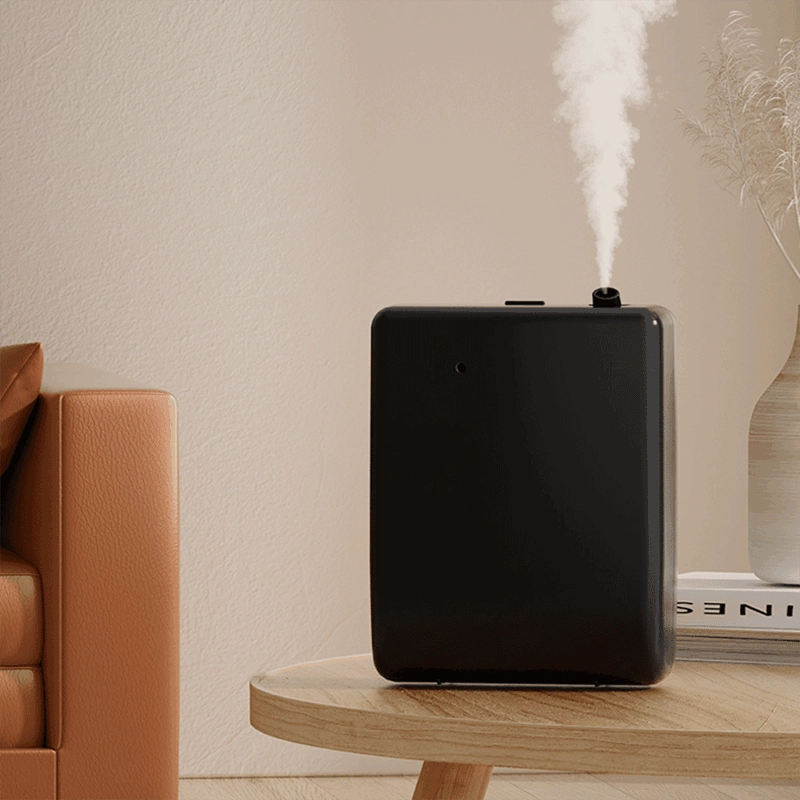
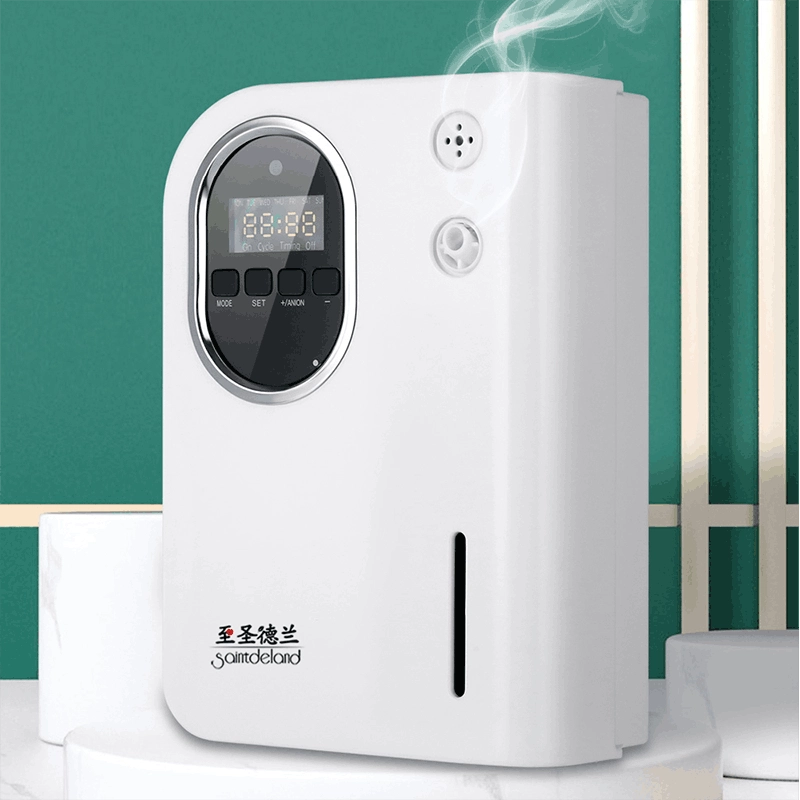
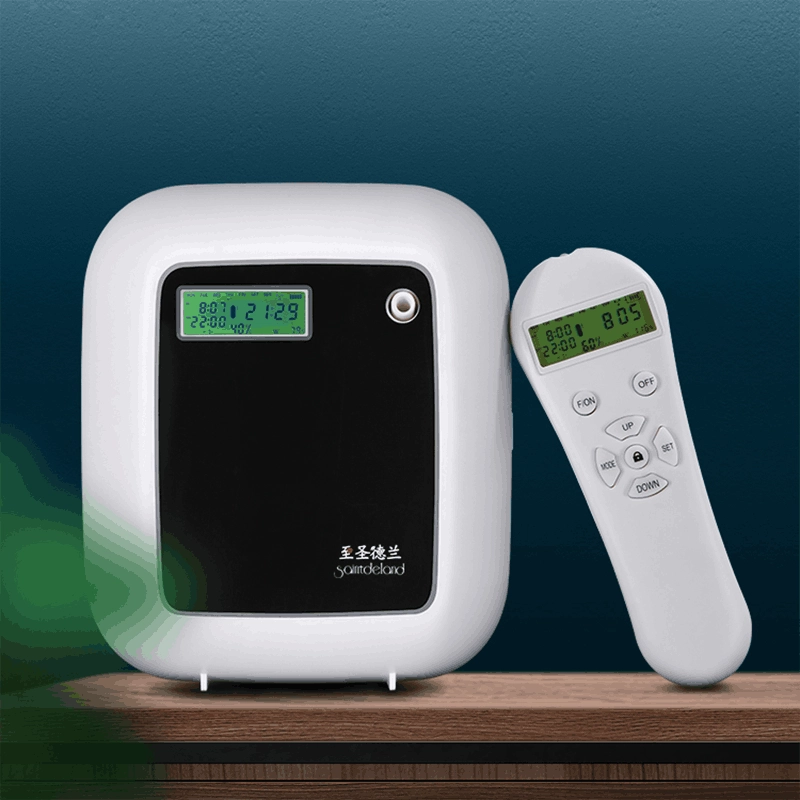
At Saintdeland Fragrance Technology (Guangzhou) Co., Ltd., we understand that the secret to a profitable sensory campaign lies in the delivery mechanism. Our state-of-the-art aromatherapy machines and commercial scent diffusers utilize advanced dual-fluid atomization technology. This cutting-edge process uses compressed air to break down essential oils into ultra-fine, uniform nanoparticles. The result is a highly stable, long-lasting fragrance experience that uses significantly less oil than traditional diffusers, protecting your bottom line.
An Industry 4.0 Ecosystem
Backed by a seasoned team with years of expertise in the fragrance industry, we have evolved into a fully integrated enterprise covering R&D, intelligent manufacturing, global marketing, and e-commerce operations. We’ve built a highly flexible production ecosystem that integrates IoT, AI, and real-time analytics. From raw material sourcing to intelligent supply chain management, our streamlined processes reduce operational costs while maximizing product value for our partners.
Custom Fragrance Solutions Backed by Big Data
We collaborate with leading international research institutions to analyze global consumer scent preferences. By harnessing these big data insights, our designated fragrance designers create tailor-made profiles that speak directly to market demands. Whether you need a signature scent for a luxury hotel chain or an energizing aroma for a retail franchise, Saintdeland provides end-to-end solutions that elevate your brand.
Expert Tips & Common Mistakes in Ambient Scenting
To protect your ambient scenting business benefits, avoid using overly complex fragrances that cause cognitive overload and ensure diffusers are strategically placed. Investing in high-quality hardware and aligning simple scents with your brand identity are crucial steps for sensory marketing success.
Common Implementation Mistakes
- Using Complex Fragrances: A major mistake businesses make is selecting overly complicated perfume blends. Research shows that complex scents require too much cognitive processing, distracting the shopper. Simple scents (like pure citrus, pine, or vanilla) are processed effortlessly, leading to higher sales.
- Poor Hardware Placement: Placing a fragrance machine directly next to an exhaust vent or in a dead corner leads to uneven scent distribution. This not only wastes expensive fragrance oils but also creates an inconsistent customer experience.
Expert Tips for Success
- Align Scent with Brand Identity: Your ambient scent must be congruent with your visual and auditory branding. A high-end luxury boutique benefits from rich leather, cedar, and oud notes, while a vibrant fitness center should utilize energizing peppermint or sweet orange.
- Invest in Quality Hardware: Do not cut corners on diffusion technology. Cheap diffusers leak, clog, and break down. Investing in high-quality hardware like Saintdeland's fragrance dispensers ensures a maintenance-free, consistent scent delivery that pays for itself over time.
- Understand the Psychological Triggers: To dive deeper into how specific aromas trigger consumer spending, read our comprehensive guide on The Psychology of Profit: 15 Invisible Scent Marketing Benefits That Skyrocket Customer Spend (2026).
Conclusion
Scent marketing offers a scientifically proven, high-ROI alternative to traditional visual signage by connecting directly with consumer emotions. By bypassing the cognitive filters that cause banner blindness, ambient scenting travels straight to the brain's limbic system, creating instant, powerful brand associations.
By leveraging the right analytics, smart hardware, and customized fragrances, brands can significantly increase dwell time, foster deep customer loyalty, and drive measurable revenue growth. Stop relying solely on visual signs that modern customers ignore. Elevate your brand's sensory experience today with cutting-edge, IoT-enabled scent technology that guarantees a return on your investment.
Ready to transform your space and boost your revenue? Contact us at huangxiuqing132@outlook.com today to maximize your scent marketing ROI.
FAQs About scent marketing ROI
How do you measure scent marketing ROI?
Track baseline sales before implementation and compare them to sales data after introducing the ambient scent. Monitor changes in average customer dwell time, footfall, and conversion rates. Additionally, use customer satisfaction surveys and online review sentiment analysis to gauge improvements in brand perception.
What is the average sales increase from scent marketing?
Studies from Harvard Business Review and various retail experiments indicate sales increases ranging from 10% to 37%. The exact increase depends on the industry, the congruence of the scent with the brand, and the diffusion technology used.
Why does scent marketing work better than visual ads?
Consumers are constantly bombarded with visual stimuli, leading to "banner blindness". Scent bypasses cognitive filters and goes straight to the limbic system, which controls emotion and memory. This creates an immediate, subconscious positive reaction that visual signage struggles to replicate.
How much does a commercial scent diffuser cost?
Costs vary widely based on coverage area, technology (like IoT or AI integration), and whether it hooks into HVAC systems. While initial hardware investments exist, high-efficiency models using dual-fluid atomization lower ongoing fragrance refill costs, boosting long-term ROI.
What industries benefit the most from ambient scenting?
Retail stores use it to increase dwell time and encourage impulse buys. Hotels and hospitality use it to improve perceived cleanliness and guest loyalty. Casinos, spas, and real estate are also top adopters of sensory marketing.
Does scent marketing increase dwell time in retail?
Yes, research consistently shows that shoppers linger up to 44% longer in pleasantly scented environments. Pleasant scents alter time perception, making customers feel less rushed and more relaxed.
What is dual-fluid atomization technology?
It is an advanced diffusion method used in high-end fragrance machines like those from Saintdeland. It breaks down essential oils into ultra-fine nanoparticles using compressed air. This results in a more uniform scent spread, longer-lasting fragrance, and reduced oil consumption.
How can I start using scent marketing for my business?
Identify your target audience and the emotional response you want to trigger (e.g., relaxation, energy). Select a simple, brand-congruent scent rather than a complex blend. Invest in professional, smart diffusion technology from a trusted manufacturer like Saintdeland Fragrance to ensure consistent delivery.
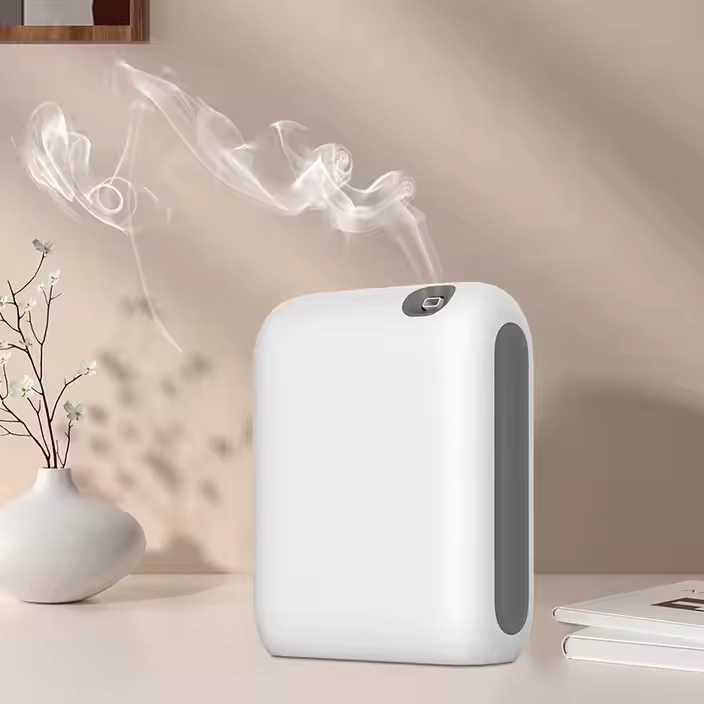
SDL308
What should I do if the fragrance diffuser malfunctions?
If encountering a malfunction, you can first refer to the troubleshooting guide in the product manual; If the issue cannot be resolved, please contact our customer service personnel, and we will provide professional after-sales support.
How to deal with situations where fog does not appear?
Suggest checking the remaining essential oil and cotton core status, or executing the cleaning mode through the APP. If the problem persists, please contact after-sales service.
SDL307
How often do I need to add essential oils?
According to the frequency of use and fragrance intensity, 500ml of essential oil can be used normally for about 1-2 months.
About After-sales Support
Do you provide installation or user manuals?
SDL303
What essential oils can be used in a fragrance diffuser?
It is recommended to use pure natural plant essential oils and avoid using essential oils containing chemical additives and pigments to avoid affecting equipment performance and fragrance-spreading effect.

Leave a Message
You can also communicate with us directly through our online contact form.
Please fill in the following information, and our team will contact you as soon as possible after receiving your message.
Rest assured that your privacy is important to us, and all information provided will be handled with the utmost confidentiality.
Let's get in touch
Email: huangxiuqing132@outlook.com
Tel: +86 180 1180 4432
WhatsApp: +86 185 9400 4460
Facebook
YouTube
TikTok