














OEM & ODM fragrance machine options for retailers
- Retailer challenges and market trends
- What today's consumers expect
- Market dynamics and channel differences
- Health, safety and indoor air quality considerations
- OEM vs ODM: what retailers need to know
- Definitions and strategic implications
- Decision factors: speed, control, margin
- Comparative table: OEM vs ODM for retailers
- Technical options for home fragrance machines
- Key technologies and how they affect performance
- Choosing technology for the home market
- Performance metrics to specify
- Partnering with a manufacturer: selection, compliance, and commercial terms
- Regulatory and standards checklist
- Quality, testing and reliability
- Commercial terms, MOQ, and roadmap
- Implementation roadmap for retailers
- Phase 1 — Concept and validation
- Phase 2 — Customization and differentiation
- Phase 3 — Scale and optimization
- Why partner with a focused scent manufacturer: Saintdeland case example
- Practical checklist before signing an OEM/ODM agreement
- FAQ
- 1. What is the best fragrance machine for home use?
- 2. Should I start with OEM or ODM for my retail brand?
- 3. How do I ensure my fragrance products are safe and compliant?
- 4. Can fragrance machines integrate with smart home systems?
- 5. What are realistic lead times and MOQs?
- 6. How do I choose fragrance profiles for different markets?
In this article I synthesize my hands-on experience in ambient scenting, product development and global retail partnerships to help retailers evaluate OEM and ODM options for fragrance machine product lines. I focus on practical decisions—technology, regulatory compliance, cost and supply chain—while keeping the end-user context in mind: many customers seek a reliable, safe and easy-to-use fragrance machine for home use that delivers consistent scent performance and low maintenance.
Retailer challenges and market trends
What today's consumers expect
Consumers shopping for a fragrance machine for home expect three core things: safety (low VOCs and compliant materials), convenience (plug-and-play or battery-powered operation with simple maintenance), and a pleasant, stable aroma that lasts without overpowering. Scent preferences vary by region and demographic; retailers should account for these variations when planning SKU assortments and private-label fragrances. Data-driven personalization—using sales and consumer feedback to refine scent profiles—is increasingly a differentiator.
Market dynamics and channel differences
Brick-and-mortar retailers prioritize shelf-ready packaging, robust physical displays and clear refill cycles. E-commerce retailers emphasize light-weight packaging, clear product imagery, and detailed technical specs. Hospitality and B2B channels may demand higher-output fragrance dispensers with integration capabilities for IoT or central control. For background on aromatherapy and public interest in scenting, see the overview on Aromatherapy - Wikipedia.
Health, safety and indoor air quality considerations
Retailers must be mindful of indoor air quality guidelines and VOC impacts. Guidance from the U.S. Environmental Protection Agency on volatile organic compounds is a useful reference for assessing product formulations and user instructions: EPA - VOCs and indoor air quality. Choosing low-VOC fragrance concentrates and providing clear labeling reduces both regulatory and reputational risk.
OEM vs ODM: what retailers need to know
Definitions and strategic implications
OEM (Original Equipment Manufacturer) typically means you buy a product designed and manufactured by a supplier and sell it under Saintdeland, with limited changes (packaging, firmware settings). ODM (Original Design Manufacturer) means the supplier designs, engineers and manufactures a product to your specifications or a jointly developed design, often resulting in a unique product exclusive to Saintdeland.
Decision factors: speed, control, margin
Which model to choose depends on three trade-offs:
- Speed to market: OEM is faster because engineering effort is low.
- Brand differentiation: ODM offers higher differentiation through custom industrial design, scent profiles, UI and firmware.
- Margin and volume: ODM can increase perceived value (and margin) but requires higher upfront NRE (non-recurring engineering) and forecast accuracy.
- Advanced diffusion technology (including dual-fluid atomization) engineered for home and commercial applications.
- Data-driven fragrance development informed by global consumer preference models.
- Flexible manufacturing and supply chain capabilities that enable both low-MOQ OEM pilots and larger-scale ODM programs.
- Product families across Aromatherapy machine, Fragrance machine, perfume machine, Scent Diffuser, Fragrance Dispenser and fragrance diffuser categories.
- Technical specification matrix (coverage, droplet size, noise, power, materials).
- Regulatory and test report package (safety, chemical emissions).
- Sample approval process and pilot production plan.
- Warranty and after-sales support SLA.
- Pricing schedule with clear tooling amortization and MOQ thresholds.
As a retailer, if you need a quick SKU to test the category, start with OEM. If you have scale and want exclusivity, transition to ODM.
Comparative table: OEM vs ODM for retailers
| Dimension | OEM | ODM |
|---|---|---|
| Time to market | Short (weeks–months) | Longer (months–1+ year) |
| Design control | Limited | High |
| Upfront cost | Low | High (NRE) |
| SKU exclusivity | Low | High |
| Supply chain complexity | Lower | Higher (custom processes) |
Technical options for home fragrance machines
Key technologies and how they affect performance
There are several core technologies used in fragrance machine for home and light commercial applications. Each has distinct trade-offs in droplet size, scent longevity, noise and power use:
| Technology | How it works | Typical benefits | Typical drawbacks |
|---|---|---|---|
| Ultrasonic diffusers | Use ultrasonic vibration to create a cool mist from water/oil mixtures. | Quiet, low power, safe (no heating), affordable. | Requires water; scent intensity lower and shorter-lived compared with pure oil nebulizers. |
| Nebulizing diffusers | Use pressurized air to atomize pure essential or fragrance oils into fine droplets. | High scent intensity, no water needed, suitable for larger rooms. | Higher cost, can be noisier, requires higher-quality oils and maintenance. |
| Dual-fluid (two-fluid) atomization | Combines liquid and an auxiliary fluid (often air) to produce ultra-fine, uniform droplets. | Produces uniform, stable diffusion with controlled droplet size; scalable for precision applications. | Requires precise engineering; historically used in industrial/medical atomizers. |
| Evaporative / passive diffusers | Fragrance evaporates from a pad or porous material. | Very simple, low-cost, silent, no power required. | Low control over release rate; not suitable when consistent intensity is needed. |
For an overview of atomization concepts that underpin nebulizing and dual-fluid systems, see the general article on atomizers: Atomizer - Wikipedia.
Choosing technology for the home market
For a 'fragrance machine for home' SKU, retailers commonly choose ultrasonic diffusers for entry-level lines (low price, safe, easy maintenance) and nebulizing or dual-fluid units for High Quality lines where strong, long-lasting scent and model aesthetics matter. Dual-fluid atomization—when engineered correctly—offers ultra-fine droplets that improve scent longevity and reduce perceived heaviness, which is attractive in High Quality home devices.
Performance metrics to specify
When evaluating suppliers, require clear, testable metrics: coverage area (m2), droplet size distribution (µm), scent longevity per refill (hours/days), power consumption (W), noise level (dB) and material safety (list of plastics and seals in contact with oils). These make supplier claims verifiable and aid in customer-facing specifications.
Partnering with a manufacturer: selection, compliance, and commercial terms
Regulatory and standards checklist
Retailers must ensure products meet relevant safety and labeling standards. Depending on the market, this can include electrical safety (e.g., CE in EU, FCC/UL in US), material and chemical safety, and consumer information on fragrances and potential allergens. For fragrance raw material vocabulary and identification, ISO provides useful references; see ISO 9235:2013.
Quality, testing and reliability
Insist on environmental stress testing, run-time testing and compatibility testing with fragrance concentrates you intend to sell. Ask for third-party test reports for VOC emissions or chemical safety where relevant. For indoor air quality guidance, consult the EPA resource linked earlier. Including routine QC checks in the vendor contract—e.g., AQL sampling plans and production audits—reduces downstream returns and warranty costs.
Commercial terms, MOQ, and roadmap
Negotiate clear terms on minimum order quantities, tooling amortization, warranty terms and lead times. A typical go-to-market approach I recommend: start with an OEM pilot (low MOQ) to validate demand, then convert best-selling SKUs to ODM versions to increase margin and differentiation. Align R&D milestones and market launches to promotional calendars (e.g., holiday season) to maximize ROI.
Implementation roadmap for retailers
Phase 1 — Concept and validation
Define target consumer personas, price points and channel positioning. Select 1-2 OEM SKUs to test. Collect feedback on scent preferences and operational issues (noise, ease of refill, leak incidents).
Phase 2 — Customization and differentiation
If sales and feedback justify it, move to ODM: define enclosure materials, colorways, UI/UX, and an exclusive fragrance line. Work with fragrance designers to create 3–5 signature profiles and validate them with consumer panels. Use data analytics to refine future scent launches.
Phase 3 — Scale and optimization
Scale manufacturing, optimize packaging for logistics, and implement after-sales support systems (refill subscriptions, warranty repair centers). Consider Industry 4.0 capabilities such as IoT-enabled devices for advanced product tiers; for broader background on smart manufacturing and digital transformation, see this perspective from McKinsey: Industry 4.0 insights.
Why partner with a focused scent manufacturer: Saintdeland case example
Founded in 2019, Saintdeland Fragrance has quickly emerged as a global innovator in the field of ambient scenting. Backed by a seasoned team with years of expertise in the fragrance industry, we have evolved into a fully integrated enterprise, covering R&D, intelligent manufacturing, global marketing, and e-commerce operations.
We collaborate with leading international research institutions and utilize cutting-edge dual-fluid atomization technology to achieve ultra-fine, uniform scent diffusion—delivering a longer-lasting and more stable fragrance experience. By harnessing big data insights, we analyze global consumer scent preferences to design tailor-made fragrance profiles that speak directly to market demands.
We’ve built a highly flexible and efficient production ecosystem that combines the latest in Industry 4.0 technologies—including IoT, AI, and real-time analytics. From raw material sourcing to intelligent supply chain management, our processes are streamlined to reduce operational costs while maximizing product value and profitability for our partners.
As a retailer or channel partner, working with Saintdeland gives you access to:
Explore our product range and contact us at https://www.saintdeland.com or email huangxiuqing132@outlook.com for partnership inquiries.
Practical checklist before signing an OEM/ODM agreement
FAQ
1. What is the best fragrance machine for home use?
The best device depends on user needs. For quiet, low-maintenance daily use, an ultrasonic diffuser is typically best. For stronger, longer-lasting scent without water, a nebulizing or dual-fluid atomization device is preferable. Consider room size, desired intensity and maintenance tolerance.
2. Should I start with OEM or ODM for my retail brand?
Start with OEM if you need speed and low upfront investment. Transition to ODM when you have validated demand and want brand differentiation, exclusive features or higher margins.
3. How do I ensure my fragrance products are safe and compliant?
Require suppliers to provide electrical safety certifications (CE, UL), material declarations, and VOC/chemical emission testing where relevant. Follow standards and guidance such as ISO 9235 for aroma materials and EPA resources on VOCs (links above).
4. Can fragrance machines integrate with smart home systems?
Yes. Many modern fragrance machines support Bluetooth or Wi-Fi connectivity and can integrate with smart home ecosystems. For ODM projects, you can specify IoT modules, OTA firmware update capabilities and cloud analytics for subscription models.
5. What are realistic lead times and MOQs?
OEM pilot orders can often be fulfilled within weeks with MOQs in the low hundreds. ODM development typically requires 3–12 months for design and validation and higher MOQs once tooling is amortized. Exact figures depend on technology, complexity and manufacturing location.
6. How do I choose fragrance profiles for different markets?
Use a combination of market research, local scent preference data and small-scale sampling. Brands that use data (sales trends, returns, customer feedback) to iterate on fragrance profiles perform better. Saintdeland’s big-data approach to scent profiling can accelerate this process.
If you'd like to discuss a tailored OEM or ODM program for fragrance machine for home products, or evaluate Saintdeland's capabilities and catalog, please contact us: www.saintdeland.com or email huangxiuqing132@outlook.com. I’m available to review technical specs, commercial terms or to help create a phased roadmap that minimizes risk while enabling brand growth.
References & further reading
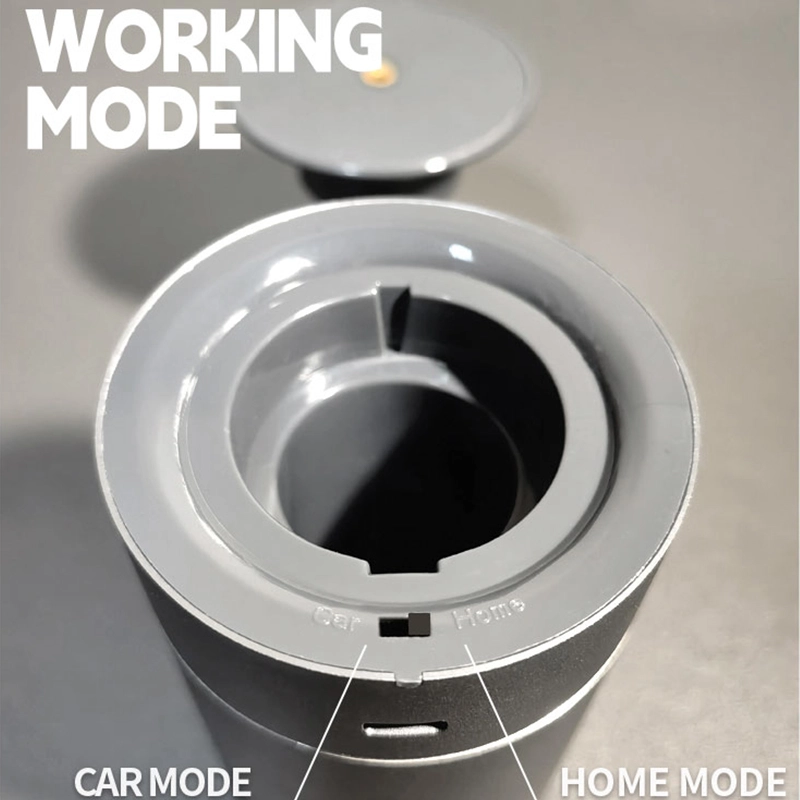
Energy-Efficient Dual-Fluid Atomization Diffuser — C008 Car & Home Fragrance Machine
Wholesale fragrance diffuser machine manufacturer and supplier
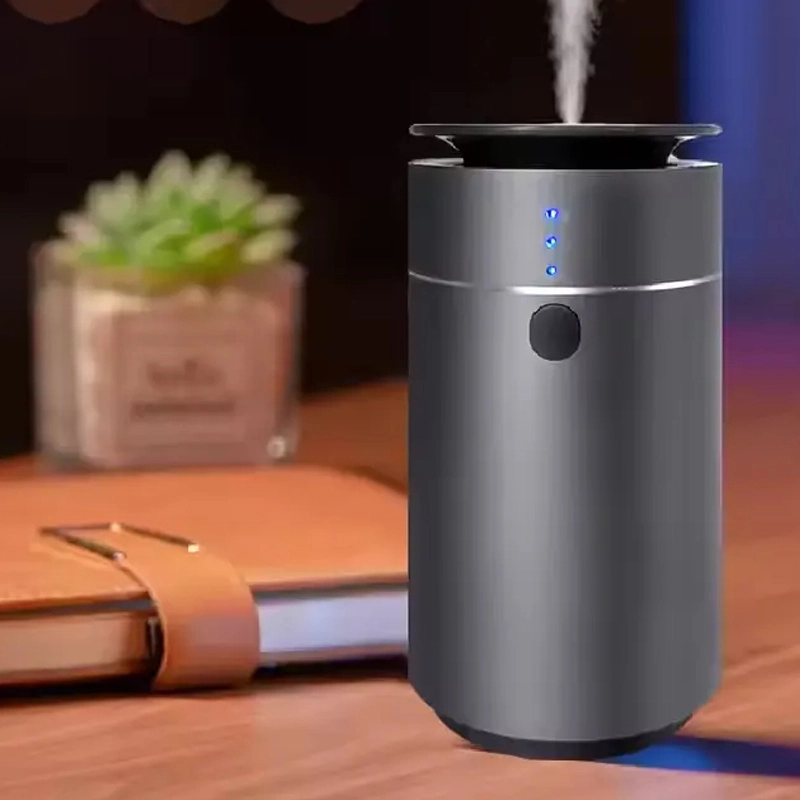
Smart Dual-Use Fragrance Machine C008 — 5V Low-Consumption Dual-Fluid Atomization for Home & Car
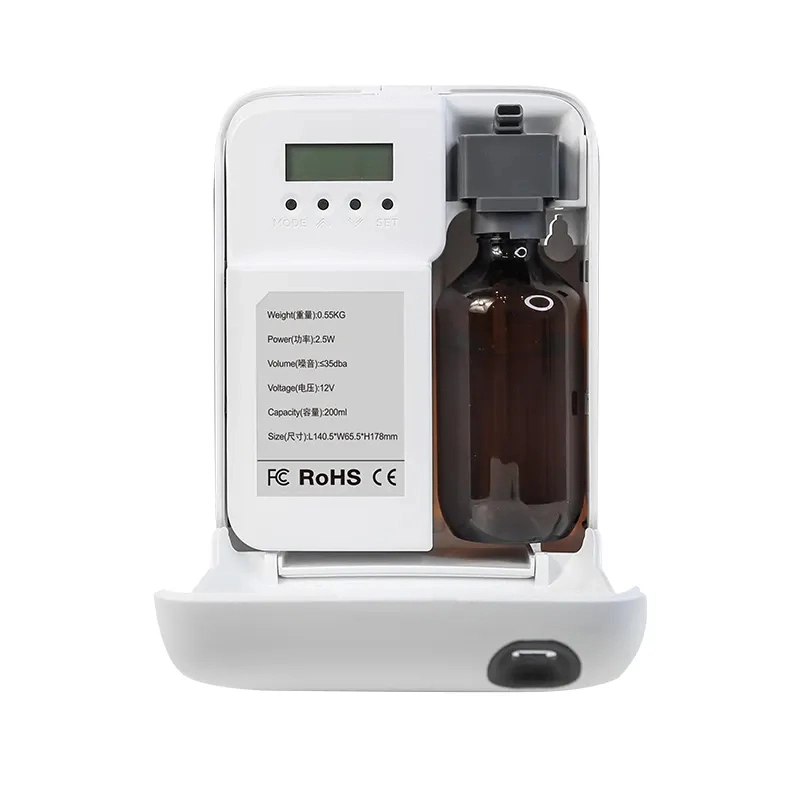
Procurement Guide: Intelligent Aromatherapy Machine for Large Spaces
C008
How to clean the air freshener?
After turning off the power, take out the remaining essential oil and wipe the body with a clean soft cloth. The internal atomization parts are recommended to be washed with water once a month, dried naturally before use.
About Wholesale Cooperation
Do you support small batch wholesale orders?
About Customization/OEM Service
How long does the customization process take
About After-sales Support
Do you provide installation or user manuals?
SDL310
Does it support synchronous control of multiple devices?
Support: A single account can bind up to 100 devices to achieve unified management of fragrance across regions.
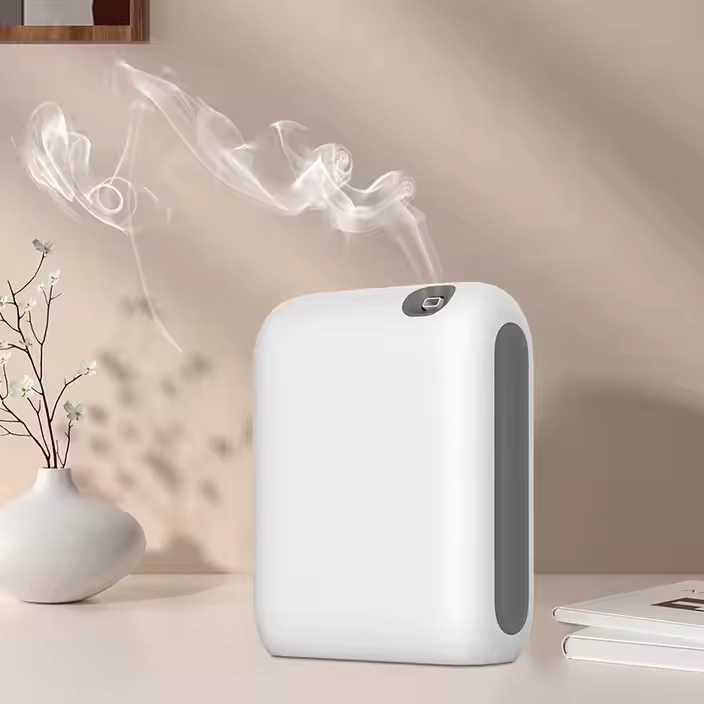
Saintdeland 308 Bluetooth Intelligent Two Fluid Nebulization Diffuser | 400 ㎡+Efficient Coverage Silent Nano level Fragrance Master
The SDL308 intelligent fragrance diffuser innovates the fragrance experience, using two fluid atomization black technologies to instantly transform 200 ml of essential oil into a nano-level fragrance mist, paired with a fan for dual diffusion, immersing a 400-500 square meter space in rich fragrance in seconds.
Through the Bluetooth smart control of the mobile app, concentration adjustment and timed switch can be controlled in one hand to meet personalized fragrance needs. The body is made of environmentally friendly plastic, with a simple white appearance that can be used in various scenarios. The operating noise is less than 35 decibels, which can bring a quiet and high-end olfactory enjoyment whether it is for home rest, office meetings, or commercial space hospitality.
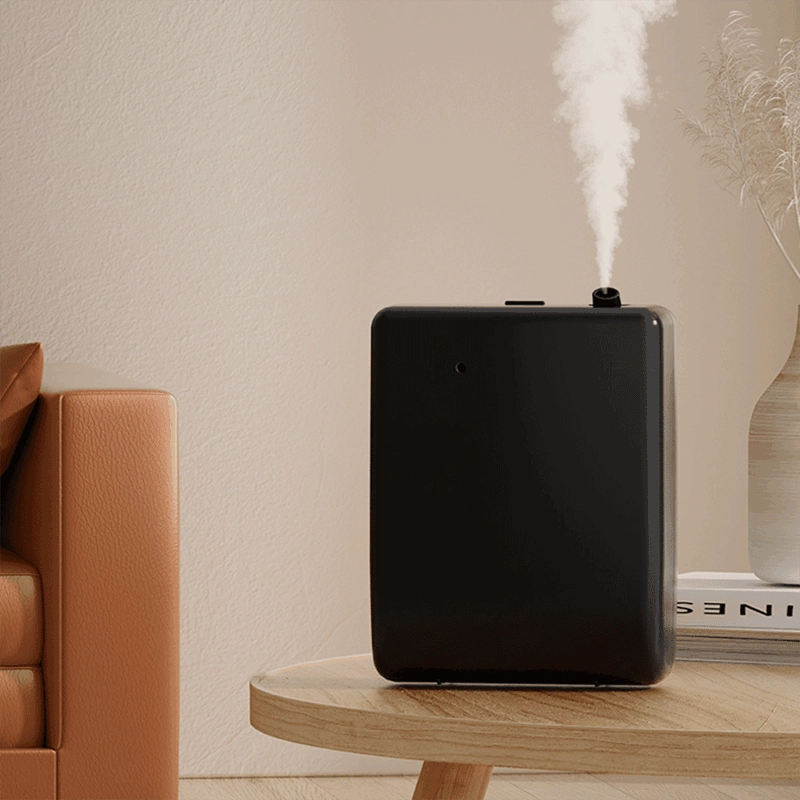
Saintdeland 310 intelligent fragrance diffuser | Dual power supply mode Bluetooth smart control
The SDL310 Smart Diffuser breaks the limitations of traditional diffusers, offering a new fragrance experience with innovative technology. Utilizing the two-fluid atomization principle, it generates nano-level mist particles, eliminating the dampness on your desk and allowing the fragrance to spread like a light mist. It supports dual power supply modes: a 5V external power source and 3 * 1 batteries, making it suitable for various scenarios.
The device features both Bluetooth app control and physical button operation, enabling you to easily adjust the diffusion intensity, set timers, or perform immediate manual operations. With its dual diffusion technology (atomization diffusion + fan diffusion) and a large 130 ml essential oil chamber, the SDL310 instantly fills a 100 ㎡ space with a rich and fragrant aroma. <35dba operates at ultra-low noise levels, making it ideal for focused work, leisurely rest, or commercial operations, quietly releasing a captivating fragrance.
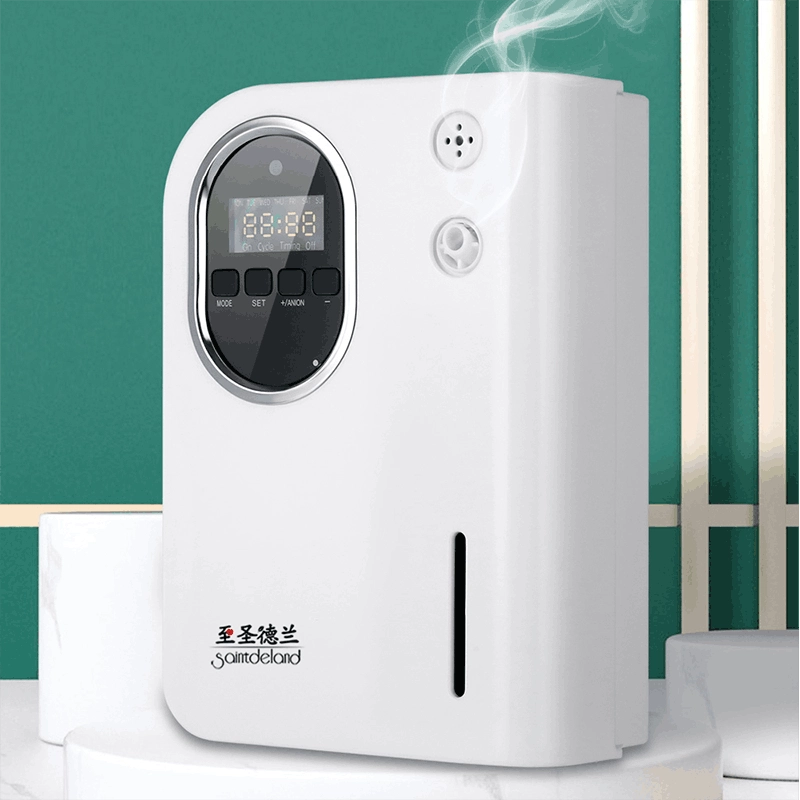
Saintdeland 306 negative ion fragrance diffuser with four stage timed adjustment for purification and sleep assistance, creating a fragrant space
The SDL306 negative ion fragrance diffuser is a fragrance product that combines innovative technology and practical functions. It uses the principle of two-fluid atomization to atomize essential oils into nano-sized particles, bidding farewell to the problem of desktop moisture.
With the dual mode of atomization diffusion and fan diffusion, it can fill a space of 200-500 square meters with fragrance in a short time. DC 12V safe voltage, 10W low energy consumption, paired with a 160 ml large-capacity essential oil tank, energy-saving and worry-free. Black and white dual-color appearance, suitable for various spatial styles.
Whether it's busy office breaks, quiet leisure time, or bustling commercial spaces, it can operate almost silently, releasing fresh fragrances, purifying the air, soothing the body and mind, and bringing an immersive fragrance experience.
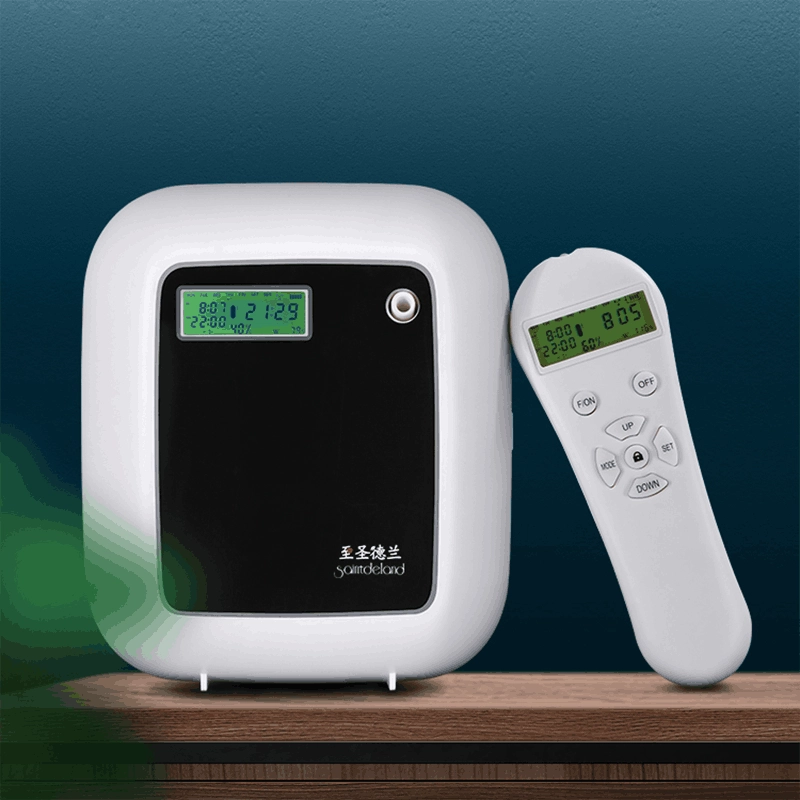
Saintdeland 305 Xiaopang Fragrance Dispenser | 12V Low Consumption Silent Fragrance Expanding Device 200-500 ㎡ Full Area Fragrance Coverage
The SDL305 Xiaopang Fragrance Dispenser features a sophisticated body (175X150X74mm) and a lightweight design weighing 0.5 kg. Equipped with two fluid atomization black technologies, it efficiently converts 130 ml of essential oil into nano-sized atomized particles, achieving an immersive fragrance experience without wet marks or noise.
Through the dual drive of atomization diffusion and fan diffusion, it quickly penetrates a space of 200-500 square meters, instantly enveloping fresh fragrance in homes and commercial places, creating an exclusive olfactory aesthetic space for you.
Let's get in touch
Email: huangxiuqing132@outlook.com
Tel: +86 180 1180 4432
WhatsApp: +86 185 9400 4460
Facebook
YouTube
TikTok