














Comparing scent delivery: nebulizing vs. heat diffusers
- How scent delivery works: principles and metrics
- Nebulizing diffusion: mechanism and particle profile
- Heat-based diffusion: mechanism and release patterns
- Key metrics to evaluate any scent machine
- Performance comparison: nebulizing vs. heat diffusers
- Effectiveness and scent fidelity
- Coverage, persistence and control
- Safety, VOCs and indoor air quality
- Comparison table: nebulizing vs. heat diffusers
- Choosing the right fragrance machine for home
- Use cases and room types
- Maintenance, lifecycle cost and logistics
- Health considerations and sensitive populations
- Saintdeland's approach: technology, production and product fit
- Our technology and R&D differentiators
- Product lines: Aromatherapy machine, Fragrance machine and more
- Why choose Saintdeland: competitive strengths and trust signals
- Practical recommendations and final decision guide
- When to pick a nebulizer
- When to pick a heat diffuser
- Installation, testing and safe use
- Frequently Asked Questions (FAQ)
- 1. Which diffuser type uses more fragrance oil?
- 2. Are nebulizers safe for homes with children or pets?
- 3. Can heat diffusers alter the fragrance chemically?
- 4. How often should I clean a nebulizer?
- 5. What's the best way to fragrance an open-plan living area?
- 6. Do fragrance machines affect indoor air quality?
- 7. Can I use regular essential oils in a nebulizer?
As someone who has designed, tested and advised on scent systems for homes, hotels and retail spaces, I often guide clients weighing nebulizing versus heat diffusers when choosing a fragrance machine for home. The choice affects scent fidelity, coverage, maintenance, operating cost and indoor air quality. Below I summarize the core differences, explain the science and real-world trade-offs, and offer actionable recommendations so you can pick the best solution for your space and needs.
How scent delivery works: principles and metrics
Nebulizing diffusion: mechanism and particle profile
Nebulizing diffusers (also called nebulizers or atomizers in the fragrance world) use a pressurized airstream or dedicated pump to atomize pure fragrance oil into microscopic droplets without heat or carrier liquids. This generates an aerosol of essential-oil droplets (often submicron to a few microns) that remain suspended and disperse across a room. The process preserves volatile aromatic compounds so the scent profile remains true to the original oil—there is minimal thermal alteration.
For an overview of nebulization as a delivery principle, see the medical/technical description of nebulizers: Wikipedia: Nebulizer.
Heat-based diffusion: mechanism and release patterns
Heat diffusers release fragrance by warming oils or waxes using a low-power heating element, candle flame, or warming plate. Heat increases vapor pressure of aromatic compounds so they volatilize into the air. Because heat selectively accelerates some volatiles more than others, heat diffusion often alters the perceived scent balance—top notes may become dominant while delicate middle or base notes can be diminished or changed by mild thermal decomposition.
Heat-based devices overlap technically with ultrasonic humidifiers and aroma lamps; for context see: Wikipedia: Ultrasonic humidifier.
Key metrics to evaluate any scent machine
- Scent fidelity: how closely delivered scent matches the original fragrance formula.
- Coverage: the effective volume/area the device fragrances.
- Persistence and control: how long the scent lasts and how finely you can adjust intensity.
- Particle/VOC emissions and IAQ impact: type and concentration of airborne compounds.
- Maintenance and operating cost: refill frequency, cleaning and energy use.
Regulatory and indoor-air quality guidance (EPA, WHO) is useful when assessing VOCs and indoor exposures: EPA: Indoor Air Quality, and general industry standards such as ISO 9235 for aroma terminology and materials.
Performance comparison: nebulizing vs. heat diffusers
Effectiveness and scent fidelity
I find nebulizers excel when the goal is accurate, high-fidelity fragrance dispersion—retaining the complexity of the original blend. Heat devices can be pleasant and economical, but thermal bias shifts aroma composition and can reduce longevity of base notes.
Coverage, persistence and control
Nebulizers disperse fine droplets that travel farther and remain perceptible at lower output rates, offering broader coverage with variable pulse programming. Heat diffusers are typically better for small rooms or localized scenting and often require higher fragrance loads to maintain a constant intensity.
Safety, VOCs and indoor air quality
Both methods release volatile compounds. Nebulizers aerosolize oil droplets (not VOC-laden carrier steam), while heat diffusers volatilize components and may create thermal byproducts at higher temperatures. For consumers with chemical sensitivities or asthma, it's important to consult guidance on fragranced products; research and advocacy groups have documented that fragranced consumer products can produce a range of volatile organic compounds that affect indoor air quality—reference general IAQ guidance from the American Lung Association: American Lung Association: VOCs.
Comparison table: nebulizing vs. heat diffusers
| Feature | Nebulizing Diffusers | Heat Diffusers |
|---|---|---|
| Scent fidelity | High—preserves delicate notes (no heat) | Moderate—heat can alter aromatic balance |
| Coverage | Wide—fine aerosol disperses farther | Localized—best for small spaces |
| Control | Precise—pulse, timer, variable intensity | Simple—on/off or low/medium |
| Operating cost | Moderate—electric consumption + pure oil use | Lower initially—cheaper to run but may use more oil |
| Maintenance | Medium—periodic cleaning to avoid clogging | Low—refill and occasional cleaning |
| IAQ considerations | Produces aerosolized oil droplets; lower thermal byproducts | Releases vapors; possible thermal alteration of compounds |
Data in practice will vary with device design and fragrance formulation. For example, well-engineered nebulizers with controlled atomization can outperform low-quality heat diffusers in both scent longevity and perceived value.
Choosing the right fragrance machine for home
Use cases and room types
When selecting a fragrance machine for home, consider these typical scenarios:
- Bedrooms and small personal spaces: low-intensity heat diffusers or ultrasonic units are often sufficient.
- Open-plan living, large living rooms, or entertainment areas: a nebulizer (or multiple units) provides better dispersion and consistent scent at lower intermittent output.
- Homes with pets or allergy sufferers: choose devices that allow low-dose control and use hypoallergenic fragrance profiles. Test small exposures first.
Maintenance, lifecycle cost and logistics
Nebulizers use pure fragrance oils (no water), which means higher per-mL fragrance cost but often lower total usage because of efficient atomization. They require routine cleaning to prevent buildup in the nozzle or atomization chamber—usually a monthly procedure depending on use. Heat diffusers are simpler and cheaper upfront, but warmer temperatures can cause faster consumption of oils and more frequent refills.
Health considerations and sensitive populations
If occupants have asthma, chemical sensitivities or young children, prioritize devices with adjustable low settings, and use fragrance formulations vetted for low-irritancy. Consult indoor air guidelines from health authorities when necessary: WHO: Air pollution and health.
Saintdeland's approach: technology, production and product fit
Our technology and R&D differentiators
Founded in 2019, Saintdeland Fragrance has quickly emerged as a global innovator in the field of ambient scenting. Backed by a seasoned team with years of expertise in the fragrance industry, we have evolved into a fully integrated enterprise covering R&D, intelligent manufacturing, global marketing, and e-commerce operations. We collaborate with leading international research institutions and utilize cutting-edge dual-fluid atomization technology to achieve ultra-fine, uniform scent diffusion—delivering a longer-lasting and more stable fragrance experience.
By harnessing big-data insights, we analyze global consumer scent preferences to design tailor-made fragrance profiles that speak directly to market demands. Our production ecosystem integrates Industry 4.0 elements—IoT-enabled machines, AI-driven quality control and real-time analytics—to maintain consistency while lowering costs. For context on Industry 4.0 principles, see: Industry 4.0 overview.
Product lines: Aromatherapy machine, Fragrance machine and more
Saintdeland offers a range tailored to residential and commercial needs, including:
- Aromatherapy machine (ultra-fine nebulizers optimized for scent fidelity)
- Fragrance machine and perfume machine (scalable nebulizers for larger areas)
- Scent Diffuser and Fragrance Dispenser (compact solutions for homes and small offices)
- fragrance diffuser units with IoT controls for scheduling and intensity monitoring
Our devices are designed to be compatible with both proprietary blends and many standard fragrance oils, letting you choose a scent profile that matches your home lifestyle.
Why choose Saintdeland: competitive strengths and trust signals
What distinguishes Saintdeland is the combination of advanced dual-fluid atomization engineering, integrated supply chain, and data-led fragrance design. We emphasize:
- Technical performance—consistent particle size and long-lasting dispersion
- Manufacturing reliability—Industry 4.0 enabled production for high yields and quality
- Market fit—consumer-tested fragrances informed by analytics
To explore our products or discuss a customized scent solution, visit our site: https://www.saintdeland.com or contact us at huangxiuqing132@outlook.com.
Practical recommendations and final decision guide
When to pick a nebulizer
Choose a nebulizer if you prioritize:
- True-to-form scent reproduction (complex blends)
- Larger coverage and efficient long-range dispersion
- Precise programmable control of intensity
When to pick a heat diffuser
Choose a heat diffuser if you need:
- Low upfront cost and simple operation
- Small-room or desktop scenting
- Minimal maintenance capability
Installation, testing and safe use
Whatever you pick, follow these steps for best results:
- Start with the lowest intensity and increase gradually to desired level.
- Test any new fragrance in a limited space for 24–48 hours if occupants have sensitivities.
- Maintain devices per manufacturer instructions—clean nebulizers regularly and avoid overheating oils.
- Prefer fragrance compositions that disclose major constituents and are formulated for indoor use.
Frequently Asked Questions (FAQ)
1. Which diffuser type uses more fragrance oil?
Generally, heat diffusers can consume oil faster because sustained heating increases volatilization rate. Nebulizers use pure oil but their efficient atomization often leads to lower total consumption for the same perceived intensity. Actual usage depends on device settings and room ventilation.
2. Are nebulizers safe for homes with children or pets?
Nebulizers disperse oil droplets into the air—safety depends on the fragrance formulation. Use low-irritant blends, keep intensity low, and monitor for adverse reactions. For households with health concerns, consult your pediatrician or veterinarian and follow indoor air quality guidance: EPA IAQ.
3. Can heat diffusers alter the fragrance chemically?
Yes. Heat can favor more volatile components and may degrade heat-sensitive constituents, changing the scent character. For pure fidelity, nebulizers are preferred.
4. How often should I clean a nebulizer?
Most nebulizers require a light cleaning every 2–4 weeks depending on usage. Refer to the product manual; Saintdeland units include maintenance guides and recommended cleaning agents to avoid nozzle clogging and ensure consistent performance.
5. What's the best way to fragrance an open-plan living area?
For open-plan spaces, I recommend a nebulizer or multiple synchronized diffusers with pulse programming. This provides even coverage and preserves the fragrance profile throughout the area.
6. Do fragrance machines affect indoor air quality?
All scenting devices add compounds to indoor air. The key is controlled, low-dose application with well-formulated fragrances. If indoor air quality is a major concern, select devices with adjustable intensity and use fragrances vetted for low VOC emissions. See general VOC guidance from the American Lung Association: American Lung Association: VOCs.
7. Can I use regular essential oils in a nebulizer?
Only use oils or formulations specified by the manufacturer. Some nebulizers require diluted or specific ISO-standardized fragrance concentrates. Using non-compatible oils can damage the device or produce undesirable emissions. Saintdeland provides compatibility lists for our devices.
If you have additional questions about which device suits your home, or want a mock-up scent plan for a room or whole-house setup, I'm available to consult directly. Explore Saintdeland's residential and commercial fragrance solutions at https://www.saintdeland.com, or email our team at huangxiuqing132@outlook.com to request product details, pricing, or bespoke scent design. Our core products include Aromatherapy machine, Fragrance machine, perfume machine, Scent Diffuser, Fragrance Dispenser, and fragrance diffuser—engineered for performance and consistent consumer appeal.
Choosing the right fragrance machine for home depends on your priorities: fidelity and coverage (nebulizer) versus simplicity and lower upfront cost (heat-based). With clear goals and the right device, you can create a comfortable, signature scent environment that enhances daily life without compromising indoor air quality.
Common Problems and Troubleshooting for Scent Machines
Wholesale commercial aromatherapy machine manufacturer and supplier
Best fragrance oil diffuser machine manufacturers and supplier brands
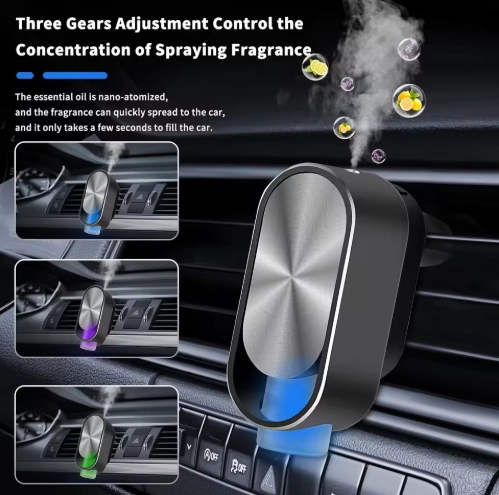
Transform Your Commute: 5ml Aluminum Alloy Car Vent Clip Aroma Diffuser for Clean, Long-Lasting Scent
OEM/ODM Services
How do you ensure product quality?
We operate under a strict ISO-certified quality management system, with in-house QC teams and advanced testing equipment. Every batch undergoes multiple inspections, including stability, scent integrity, and safety compliance.
Are your products compliant with international standards?
Yes. All materials used are IFRA-compliant and we follow safety and labeling regulations for Europe, North America, the Middle East, and Asia. MSDS, COA, and related certifications are available upon request.
C008
Is it supported to use multiple essential oils?
Most water-soluble essential oils are supported, but to ensure the best use effect and equipment life, it is recommended to use product recommended or regular brand essential oils.
C004 pro
How to deal with the malfunction of the air freshener?
If the fragrance machine fails, you can refer to the instruction manual for troubleshooting; if it cannot be solved, please contact customer service in time, we will provide professional after-sales maintenance service.
About Wholesale Cooperation
Do you support small batch wholesale orders?
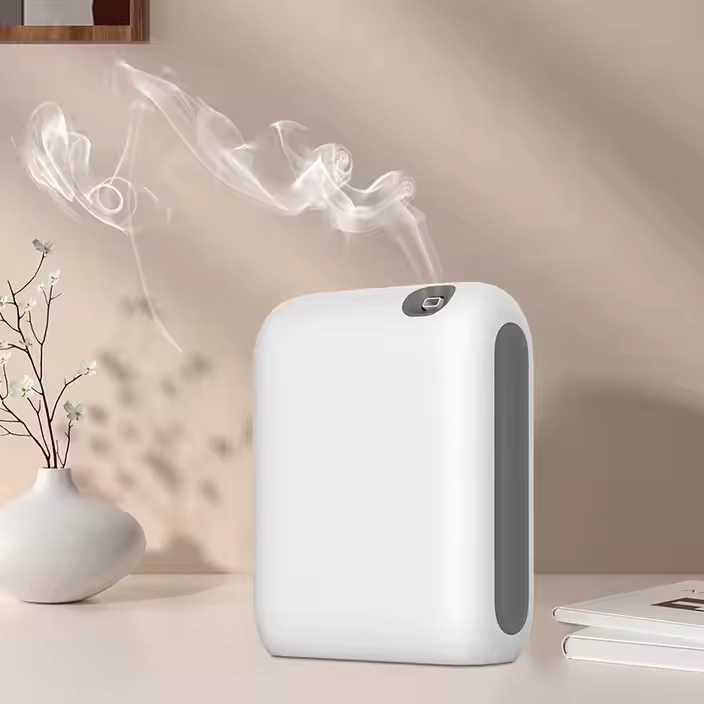
Saintdeland 308 Bluetooth Intelligent Two Fluid Nebulization Diffuser | 400 ㎡+Efficient Coverage Silent Nano level Fragrance Master
The SDL308 intelligent fragrance diffuser innovates the fragrance experience, using two fluid atomization black technologies to instantly transform 200 ml of essential oil into a nano-level fragrance mist, paired with a fan for dual diffusion, immersing a 400-500 square meter space in rich fragrance in seconds.
Through the Bluetooth smart control of the mobile app, concentration adjustment and timed switch can be controlled in one hand to meet personalized fragrance needs. The body is made of environmentally friendly plastic, with a simple white appearance that can be used in various scenarios. The operating noise is less than 35 decibels, which can bring a quiet and high-end olfactory enjoyment whether it is for home rest, office meetings, or commercial space hospitality.
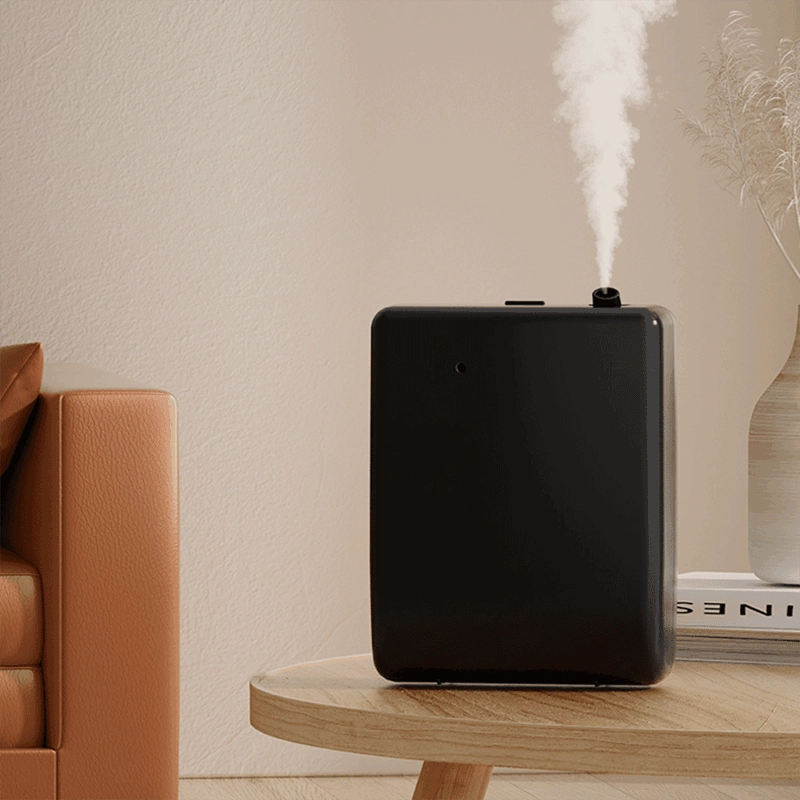
Saintdeland 310 intelligent fragrance diffuser | Dual power supply mode Bluetooth smart control
The SDL310 Smart Diffuser breaks the limitations of traditional diffusers, offering a new fragrance experience with innovative technology. Utilizing the two-fluid atomization principle, it generates nano-level mist particles, eliminating the dampness on your desk and allowing the fragrance to spread like a light mist. It supports dual power supply modes: a 5V external power source and 3 * 1 batteries, making it suitable for various scenarios.
The device features both Bluetooth app control and physical button operation, enabling you to easily adjust the diffusion intensity, set timers, or perform immediate manual operations. With its dual diffusion technology (atomization diffusion + fan diffusion) and a large 130 ml essential oil chamber, the SDL310 instantly fills a 100 ㎡ space with a rich and fragrant aroma. <35dba operates at ultra-low noise levels, making it ideal for focused work, leisurely rest, or commercial operations, quietly releasing a captivating fragrance.
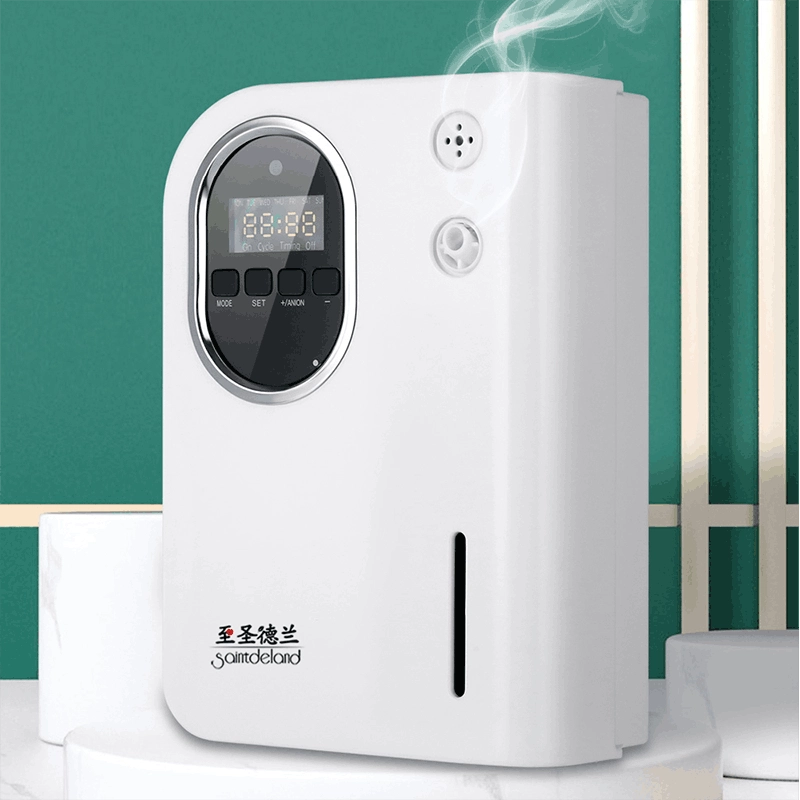
Saintdeland 306 negative ion fragrance diffuser with four stage timed adjustment for purification and sleep assistance, creating a fragrant space
The SDL306 negative ion fragrance diffuser is a fragrance product that combines innovative technology and practical functions. It uses the principle of two-fluid atomization to atomize essential oils into nano-sized particles, bidding farewell to the problem of desktop moisture.
With the dual mode of atomization diffusion and fan diffusion, it can fill a space of 200-500 square meters with fragrance in a short time. DC 12V safe voltage, 10W low energy consumption, paired with a 160 ml large-capacity essential oil tank, energy-saving and worry-free. Black and white dual-color appearance, suitable for various spatial styles.
Whether it's busy office breaks, quiet leisure time, or bustling commercial spaces, it can operate almost silently, releasing fresh fragrances, purifying the air, soothing the body and mind, and bringing an immersive fragrance experience.
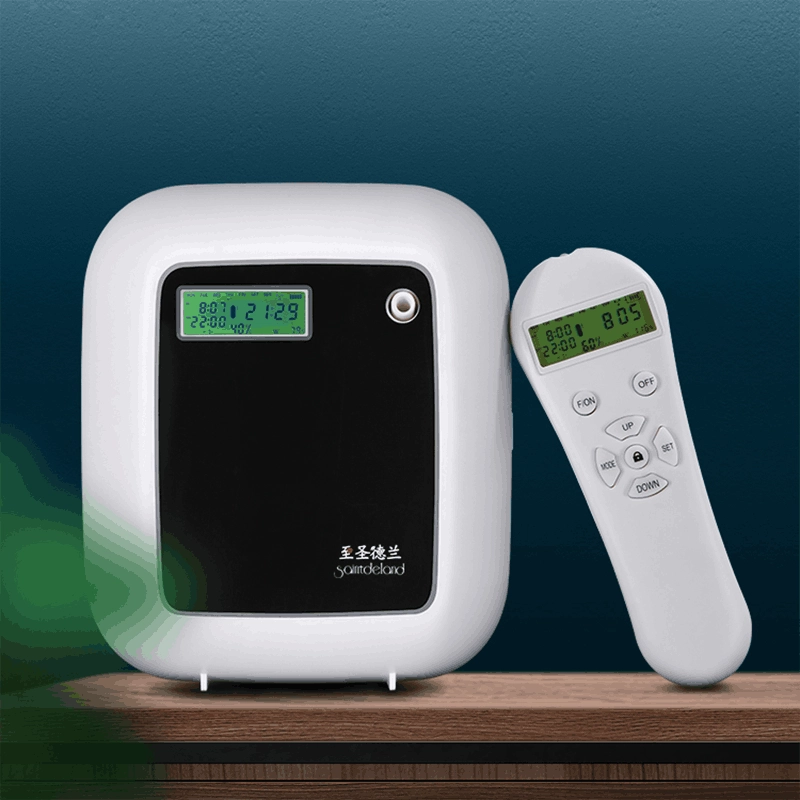
Saintdeland 305 Xiaopang Fragrance Dispenser | 12V Low Consumption Silent Fragrance Expanding Device 200-500 ㎡ Full Area Fragrance Coverage
The SDL305 Xiaopang Fragrance Dispenser features a sophisticated body (175X150X74mm) and a lightweight design weighing 0.5 kg. Equipped with two fluid atomization black technologies, it efficiently converts 130 ml of essential oil into nano-sized atomized particles, achieving an immersive fragrance experience without wet marks or noise.
Through the dual drive of atomization diffusion and fan diffusion, it quickly penetrates a space of 200-500 square meters, instantly enveloping fresh fragrance in homes and commercial places, creating an exclusive olfactory aesthetic space for you.
Let's get in touch
Email: huangxiuqing132@outlook.com
Tel: +86 180 1180 4432
WhatsApp: +86 185 9400 4460
Facebook
YouTube
TikTok