














Fragrance Oil Safety and Compatibility with Two-Fluid Atomizers
- Understanding Fragrance Oil Safety in Atomization
- What is two-fluid atomization and how it disperses scent?
- Chemical and health considerations
- Regulatory standards and industry best practice
- Compatibility: Choosing the Best Oils for Two-Fluid Atomizers
- Types of oils and their behavior in atomizers
- Best fragrance oils for diffusers — selection criteria
- Concentration and dilution guidance
- Practical Testing and Maintenance for Reliable Performance
- How to test compatibility with the Saintdeland 601
- Cleaning, flushing, and preventing clogging
- Storage and handling best practices
- Technical Compatibility and Comparative Data
- Saintdeland 601: Safety, Features, and Why It Works Well
- Product overview and key technical specifications
- Why 12V low-consumption two-fluid atomization matters
- Brand advantages and real-use scenarios
- Best Practices: Selection, Deployment, and Monitoring
- Choosing suppliers and verifying documentation
- Deployment and exposure control
- Monitoring indoor air quality and occupant response
- FAQ
- Can I use pure essential oils in a two-fluid atomizer?
- How do I know if a fragrance oil is IFRA-compliant?
- What maintenance schedule should I follow for the Saintdeland 601?
- How do I choose the best fragrance oils for diffusers in a large space?
- Are alcohol-based fragrances safe for the device?
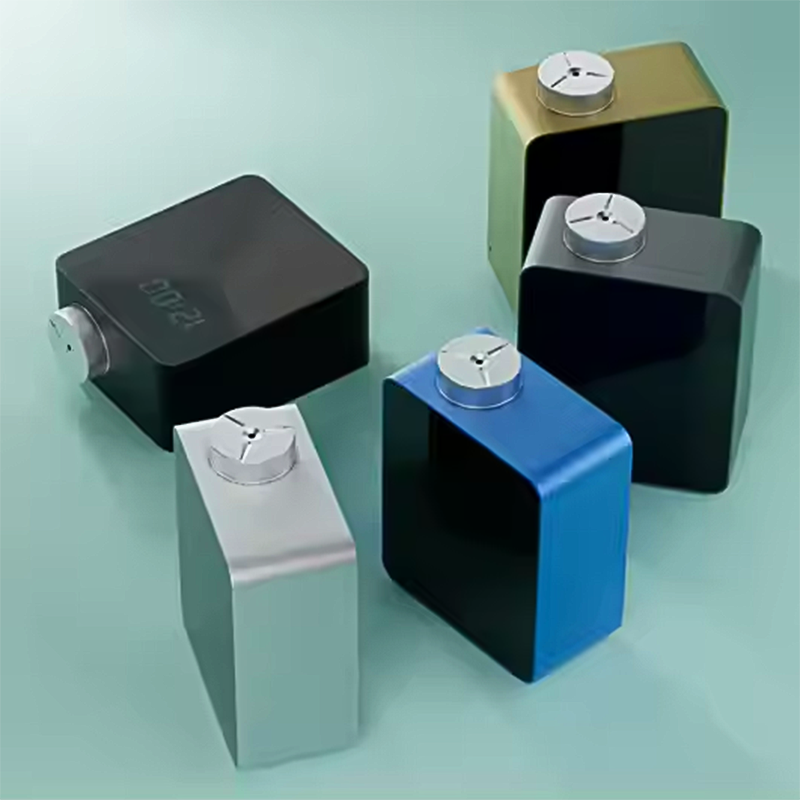
The safe and effective use of fragrance oils in two-fluid atomizers requires understanding chemical compatibility, dilution, device design, and maintenance. This guide covers health and material-safety considerations, which oils perform best in diffuser systems, how to test and maintain devices like the Saintdeland 601 Bluetooth smart clock perfume machine | 12V low-consumption two-fluid atomization 300㎡, and actionable steps to avoid clogging, corrosion, or respiratory irritation. It integrates authoritative industry sources and practical tips so facility managers and home users can select the best fragrance oils for diffusers with confidence.
Understanding Fragrance Oil Safety in Atomization
What is two-fluid atomization and how it disperses scent?
Two-fluid atomization (also called pneumatic or dual-fluid atomization) uses a rapidly moving gas (usually air) to shear the liquid fragrance into a fine aerosol. This process produces stable micro-droplets that linger in the air and deliver evenly distributed scent across large spaces. The technology inside devices such as the Saintdeland 601 uses a low-voltage pneumatic system combined with a controlled liquid feed to create consistent diffusion without heat, preserving volatile aromatic compounds and reducing thermal degradation.
Chemical and health considerations
When an oil is atomized, microscopic droplets are inhaled and contact mucous membranes; therefore, chemical composition matters. Essential oils and synthetic fragrance oils can contain constituents (e.g., phenols, phenylpropanoids, certain terpenes) that may be irritating, sensitizing, or phototoxic at high concentrations. Reputable references like the aromatherapy overview on Wikipedia and safety guidance from industry groups provide useful background. For evidence-based safety advice see the National Association for Holistic Aromatherapy (NAHA).
Regulatory standards and industry best practice
Fragrance industry safety is guided by organizations such as the International Fragrance Association (IFRA). IFRA publishes standards and restrictions for certain ingredients in finished consumer products. When selecting fragrance oils for atomizers, choose suppliers who follow IFRA recommendations and provide full documentation (IFRA certificates, Safety Data Sheets).
Compatibility: Choosing the Best Oils for Two-Fluid Atomizers
Types of oils and their behavior in atomizers
Not all oils are equally suitable. Categories include pure essential oils, blended fragrance oils (synthetic or compound blends), carrier oils (e.g., fractionated coconut oil), and water/alcohol-based fragrance solutions. Two-fluid atomizers are tuned for low-viscosity liquids or appropriately diluted solutions. Heavy carrier oils and undiluted viscous blends are typically incompatible because they resist atomization and can foul internal components.
Best fragrance oils for diffusers — selection criteria
For two-fluid atomizers, the best fragrance oils for diffusers are low-viscosity formulas specifically designed for electronic or pneumatic diffusers. Look for: viscosity suitable for pump/atomizer feed, low particulate content, IFRA-compliant formulation, and humidity-stable blends. Suppliers often label products as ultrasonic/diffuser compatible or nebulizer/diffuser grade. When shopping, ask for lab specs and test samples before bulk use.
Concentration and dilution guidance
Most two-fluid systems require dilution to perform reliably and to keep airborne concentrations within safe limits. Typical final dilutions for ambient scenting range from 0.5% to 5% fragrance oil by volume in a carrier such as dipropylene glycol (DPG) or a blend of water and solubilizer/solvent. Avoid using pure essential oils or thick carrier oils directly. Always follow supplier dilution recommendations and consult SDS for maximum safe exposure limits.
Practical Testing and Maintenance for Reliable Performance
How to test compatibility with the Saintdeland 601
Before wide deployment, test a candidate fragrance in a controlled manner with the Saintdeland 601: use a small reservoir volume (e.g., 25–50 mL) with the intended dilution, run the machine on low for several hours, and then inspect for residue, changes in droplet size, or odor alteration. Monitor for any staining, foaming, or abnormal sounds. Document runtime, room size, and perceived aroma persistence. This step prevents costly downtime across multiple machines.
Cleaning, flushing, and preventing clogging
Two-fluid atomizers require routine flushing to avoid buildup. Recommended protocol: weekly flush with a manufacturer-approved cleaning solvent (often isopropyl alcohol diluted with water, or a specific cleaning fluid recommended by the vendor), perform deeper cleaning monthly, and replace seals if any deterioration appears. The Saintdeland 601's large 200 ml chamber and low-consumption 12V design reduce frequency of intervention, but regular maintenance preserves atomizer jets and valves.
Storage and handling best practices
Store fragrance oils in cool, dark containers away from direct sunlight. Use opaque or amber bottles to reduce photodegradation. Keep containers tightly closed to avoid contamination and evaporation. Label dilution date and batch to track stability. For long-term storage, consult supplier guidance—some components can oxidize and change scent or safety profile over time.
Technical Compatibility and Comparative Data
The table below compares common fragrance media and their suitability for two-fluid atomizers.
| Media | Compatibility with Two-Fluid Atomizers | Recommended Dilution | Notes / Risks |
|---|---|---|---|
| Diffuser-grade fragrance oil (nebulizer-ready) | High | 0.5%–5% in carrier (DPG or solvent) | Designed for nebulization; check IFRA compliance and SDS. |
| Pure essential oils (undiluted) | Low | Not recommended undiluted; dilute to recommended levels | Can be irritating or phototoxic; viscous samples clog systems. |
| Water-based fragrance (with solubilizer) | Medium–High | Usually 1%–3% after formulation | Requires proper solubilizer to avoid phase separation and microbial growth. |
| Alcohol-based solutions | High (if device materials resistant to alcohol) | 1%–5% | Fast evaporation; check seals and plastics for alcohol compatibility. |
| Carrier oils (MCT, Jojoba) | Poor | Not recommended | Very viscous; will clog and coat internal parts. |
Source references: IFRA standards and guidance are available at ifrafragrance.org. General aromatherapy context is at Wikipedia. For best practice and safety overviews see NAHA.
Saintdeland 601: Safety, Features, and Why It Works Well
Product overview and key technical specifications
The Saintdeland 601 Bluetooth smart clock perfume machine | 12V low-consumption two-fluid atomization 300㎡ integrates second-generation fluid atomization with Bluetooth smart control to precisely manage release intervals and intensity. The aluminum alloy body is available in five colors—silver, black, gold, blue, and gray—making it both a practical fragrance device and an elegant decorative item.
The SDL601 features a low-voltage safety power supply of 12V and operates at an energy-efficient 8W, with a 200 ml essential oil chamber designed for long-term usage. It is engineered to cover up to 300 ㎡ of space, providing continuous natural fragrance via proven two-fluid atomization without heating or combustion.
Why 12V low-consumption two-fluid atomization matters
Lower operating voltage and power reduce heat production and electrical risk, which in turn protects volatile aromatic compounds from thermal breakdown. Two-fluid atomization at low power produces a stable aerosol while conserving energy—critical for venues that require continuous scenting. The Saintdeland 601's Bluetooth control allows managers to tailor schedules remotely for occupancy patterns, minimizing unnecessary exposure.
Brand advantages and real-use scenarios
Saintdeland combines design and safety: anodized aluminum housing resists corrosion, the large 200 ml reservoir minimizes refill frequency, and the efficient 8W consumption reduces operating costs. Use cases include lobbies, retail floor areas, hotel suites, and corporate spaces where continuous, non-heating scent delivery is preferred. Choosing IFRA-compliant fragrance partners and following the guidelines above ensures both efficacy and safety.
Best Practices: Selection, Deployment, and Monitoring
Choosing suppliers and verifying documentation
Only source fragrance oils labeled for diffuser/nebulizer use from reputable manufacturers. Request IFRA certificates, GC-MS reports (gas chromatography–mass spectrometry), and SDS to confirm composition and absence of problematic contaminants. For complex blends or high-risk environments (healthcare, childcare), consider third-party air quality testing after deployment.
Deployment and exposure control
Match deployment to room air changes per hour (ACH). In high-traffic public spaces, start at lower concentrations and monitor occupant feedback. Provide clear signage and staff training about scent schedules. If sensitivity complaints arise, reduce concentration or switch to a different formulation with lower known irritants.
Monitoring indoor air quality and occupant response
Post-installation monitoring with portable VOC meters or third-party IAQ testing services helps ensure concentrations remain safe. Document occupant feedback and maintain a log of fragrance batches used—this supports rapid root cause analysis if adverse reactions occur.
FAQ
Can I use pure essential oils in a two-fluid atomizer?
Pure essential oils are generally not recommended undiluted in two-fluid atomizers due to high viscosity and potential for irritation or sensitization. Dilute according to supplier guidance or use diffuser-grade blends formulated for nebulization.
How do I know if a fragrance oil is IFRA-compliant?
Ask the supplier for an IFRA certificate and the product's SDS. IFRA-compliant suppliers will provide documentation indicating any usage limits for specific applications.
What maintenance schedule should I follow for the Saintdeland 601?
Perform a weekly flush with a recommended cleaning solvent, monthly deeper cleaning of jets and seals, and immediate inspection if performance drops. Follow the manufacturer manual for maintenance intervals and part replacements.
How do I choose the best fragrance oils for diffusers in a large space?
Select low-viscosity, diffuser-grade oils with IFRA compliance, test at low concentration, and use controlled schedules (e.g., intermittent pulses) to maintain ambient levels without overexposure. The Saintdeland 601's coverage up to 300 ㎡ and Bluetooth scheduling simplifies achieving consistent results.
Are alcohol-based fragrances safe for the device?
Alcohol-based solutions can work well if the machine materials are alcohol-resistant. Check device specs and supplier guidance. Alcohol evaporates quickly and may require different scheduling to maintain a consistent scent.
If you have additional questions about compatibility or want help selecting scents and dilutions, contact our support team or view the product details and specifications for the Saintdeland 601:
Choosing the right fragrance oils and following safe deployment and maintenance practices will maximize performance, extend the life of your two-fluid atomizer, and protect occupant comfort and health.
Prioritizing technical safety ensures your scenting system runs smoothly for years. With your hardware protected, you can focus back on creating the perfect customer journey with the Best Scents for Office and Retail: Long-Lasting Diffuser Oils.
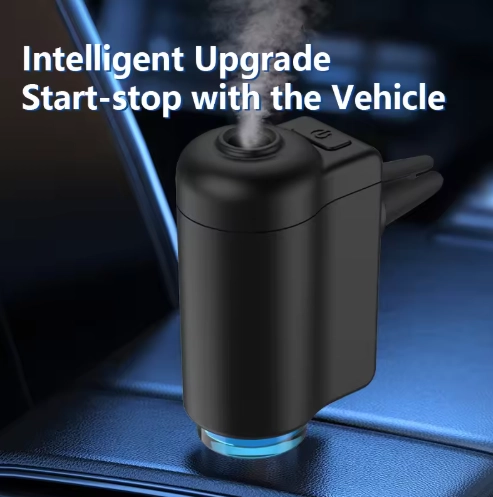
Transform Your Commute: USB-Powered Smart Ultrasonic Car Diffuser (Waterless, Automatic)
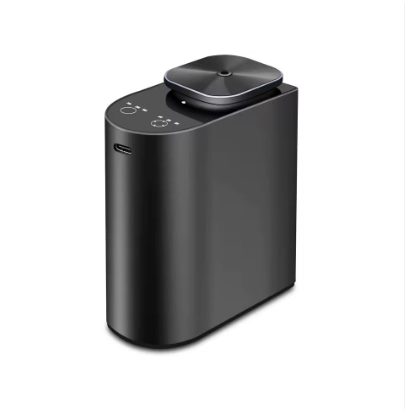
Troubleshooting: Why Your Commercial Fragrance Machine Is Silent?
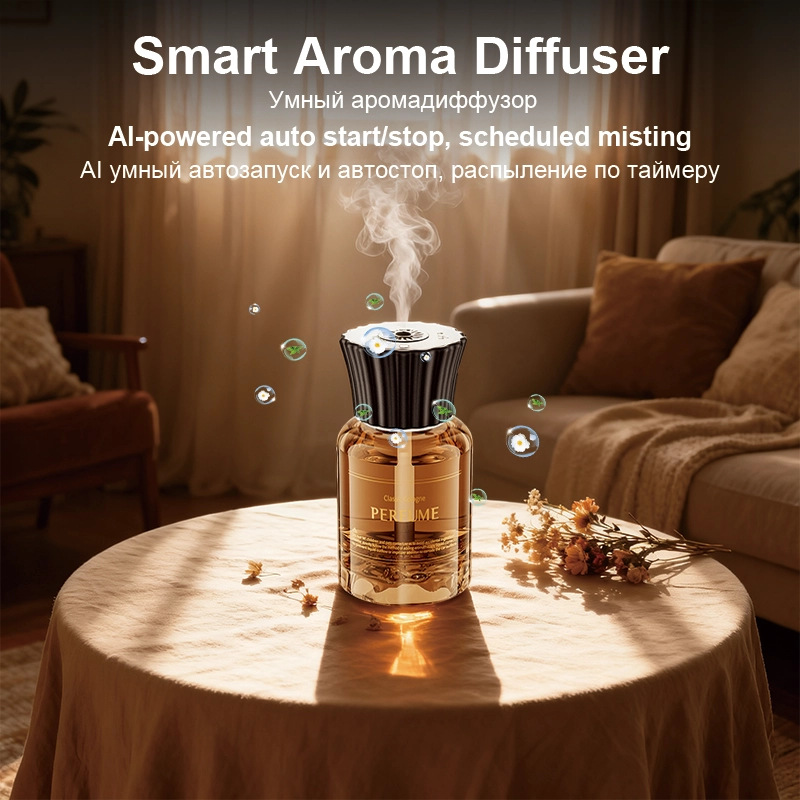
Portable USB‑C Aromatherapy Diffuser — Compact, Customizable, Long‑Lasting Scent for Car & Home
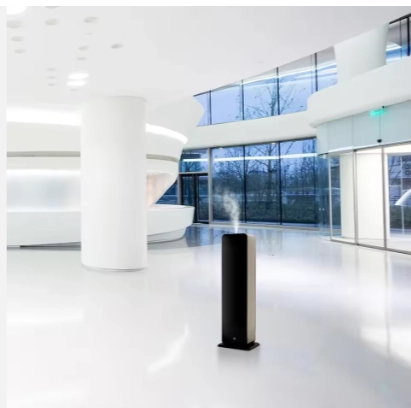
Top Fragrances for Hotels When Using a 1000ML Scent Diffuser
OEM/ODM Services
What is the difference between OEM and ODM services?
OEM (Original Equipment Manufacturer) means we produce products based on your design, specifications, and brand. ODM (Original Design Manufacturer) means we offer ready-made products or create new ones based on our own R&D, which you can rebrand.
C004 pro
Will the humid environment affect the equipment when used in the bathroom?
The equipment is made of high quality materials and has a certain moisture-proof ability. However, it is recommended to avoid long-term exposure to high humidity environment and keep the surface of the equipment dry after use to extend the service life.
C004
How long is the service life of the equipment?
Under normal use and maintenance conditions, the service life of the product can reach 3-5 years, depending on the frequency of use.
SDL303
What should I do if the app cannot connect to the device??
Firstly, ensure that the fragrance diffuser is turned on and Bluetooth/WIFI is turned on, and check if the mobile network is functioning properly; If you still cannot connect, you can try restarting the device and mobile app, or contact customer service for assistance.
About After-sales Support
Who should I contact if I receive a damaged item?
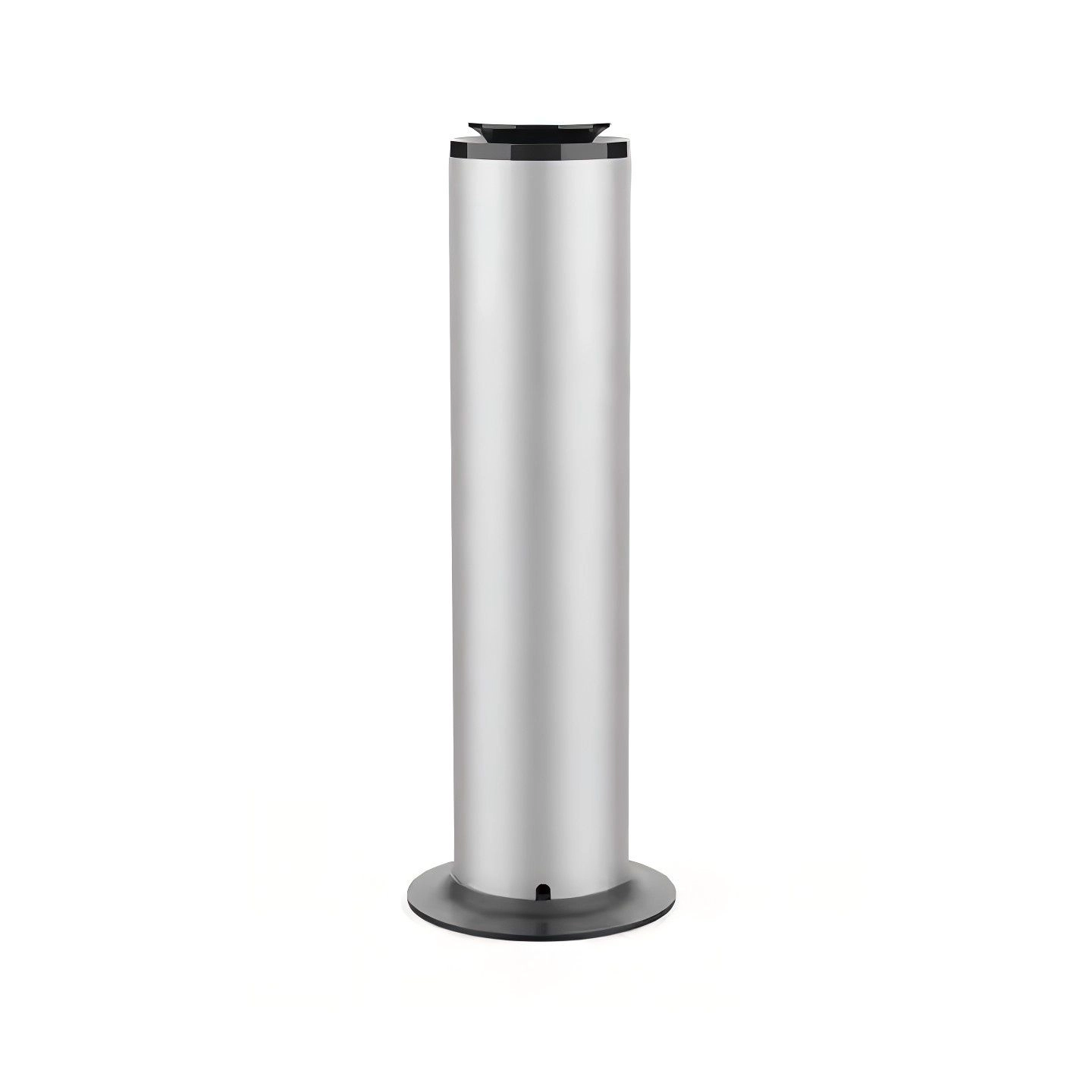
Saintdeland 609 floor standing scent diffuser | household
New Style Metal Smart Home Scent air Machine Electric 120ML Waterless Essential Oil Diffuser Hotel Tower Scent Machine
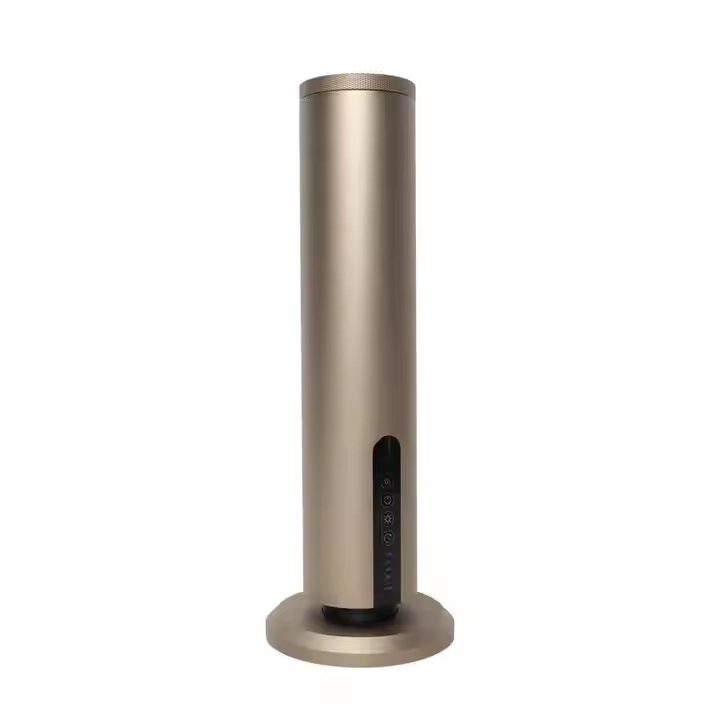
Saintdeland 802 Smart Aroma Diffuser | Bluetooth APP control | sleep aid
Top Sale Portable Wireless Battery Scent Diffuser 100ML Rechargeable Tabletop Essential Oil Home Aroma Diffuser
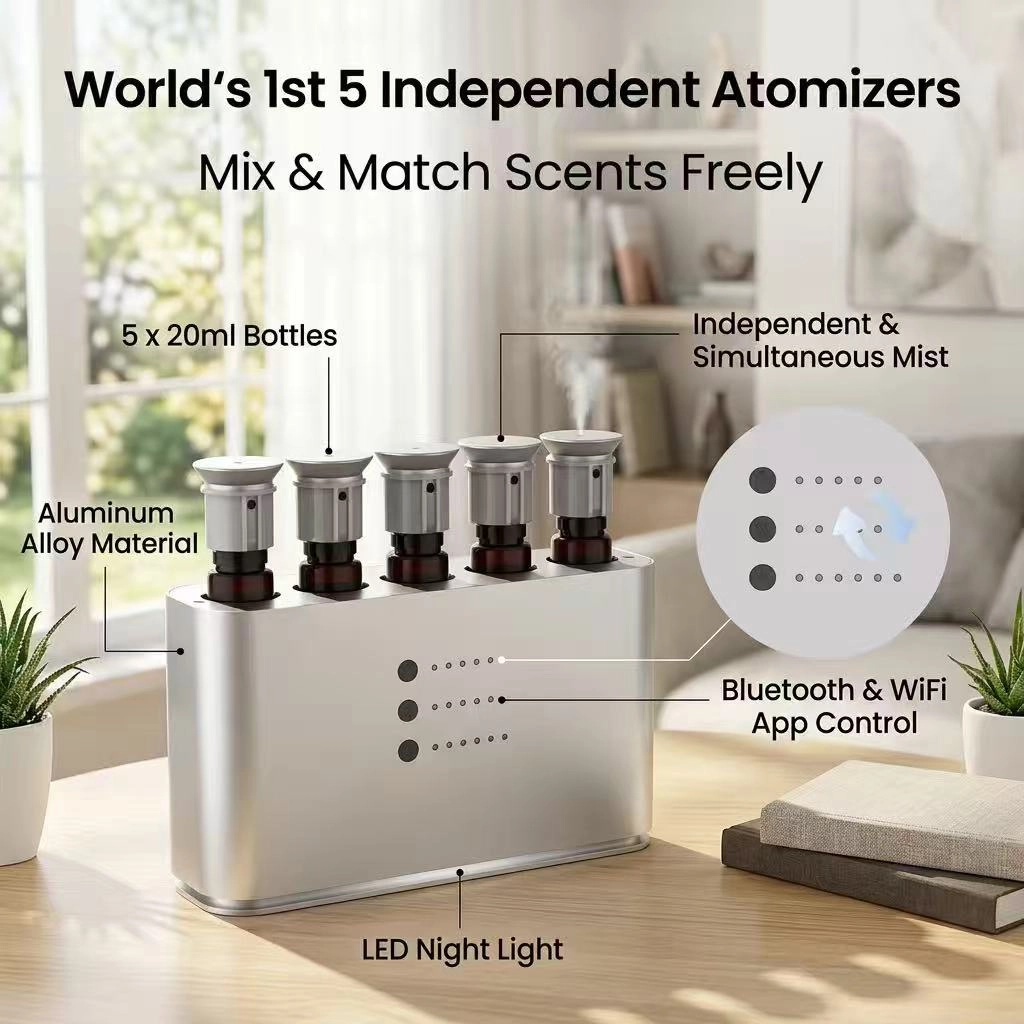
Saintdeland 311 Factory Direct Large Capacity 5-Tank Waterless Electric Essential Oil Diffuser Smart WiFi Control for Hotel Home Use
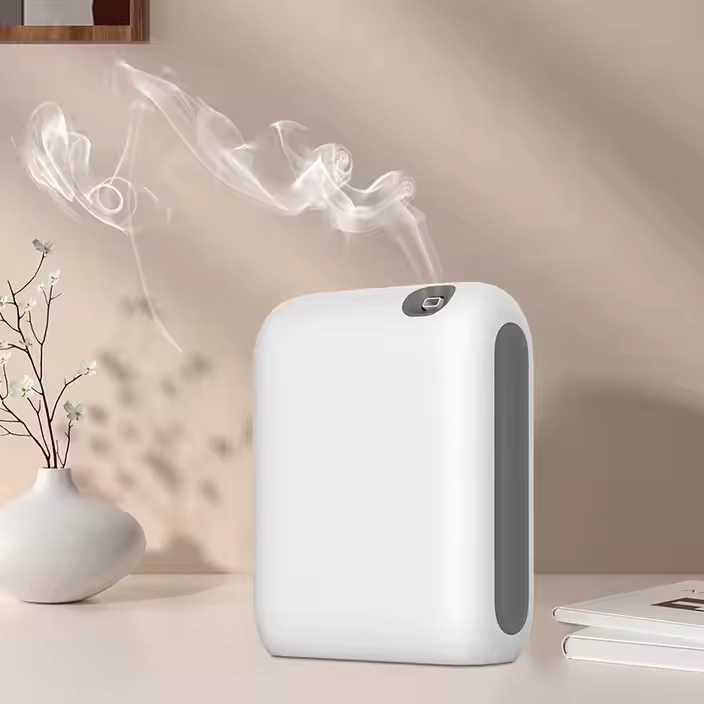
Saintdeland 308 Bluetooth Intelligent Two Fluid Nebulization Diffuser | 400 ㎡+Efficient Coverage Silent Nano level Fragrance Master
The SDL308 intelligent fragrance diffuser innovates the fragrance experience, using two fluid atomization black technologies to instantly transform 200 ml of essential oil into a nano-level fragrance mist, paired with a fan for dual diffusion, immersing a 400-500 square meter space in rich fragrance in seconds.
Through the Bluetooth smart control of the mobile app, concentration adjustment and timed switch can be controlled in one hand to meet personalized fragrance needs. The body is made of environmentally friendly plastic, with a simple white appearance that can be used in various scenarios. The operating noise is less than 35 decibels, which can bring a quiet and high-end olfactory enjoyment whether it is for home rest, office meetings, or commercial space hospitality.
Let's get in touch
Email: huangxiuqing132@outlook.com
Tel: +86 180 1180 4432
WhatsApp: +86 185 9400 4460
Facebook
YouTube
TikTok