














Top Essential Oils for Large Diffusers and 300㎡ Coverage
- Choosing Oils for Large Diffusers: Principles and Practical Tips
- Understanding volatility and scent throw
- Matching oil strength to diffuser capacity
- Safety and indoor air quality considerations
- Top Essential Oils and Blends for 300㎡ Coverage
- Citrus and bright top-note blends
- Woody and resinous base blends for consistent presence
- Floral and herbal blends for welcoming atmospheres
- How to Formulate and Dilute Oils for Large Diffusers
- Recommended dilution ratios and runtime strategies
- Practical table: oils comparison for large diffusion
- Tips to avoid common issues
- Why Saintdeland 601 Is Ideal for 300㎡ Spaces
- Efficiency and technical fit
- Design, usability and control
- Compatibility with best fragrance oils for diffusers
- Operational Best Practices and Long-Term Management
- Scheduling and zoning for balanced coverage
- Maintenance, refills and longevity
- Monitoring and feedback
- Regulatory, Safety, and Evidence-Based Guidance
- Referencing authoritative sources
- Addressing allergies and sensitivities
- Evidence and health claims
- Brand Advantages and Why Choose Saintdeland
- Technical leadership and energy efficiency
- Design flexibility and user-centric controls
- Support, safety, and compliance
- FAQ - Frequently Asked Questions
- Q: What are the best essential oils for diffusers covering 300㎡?
- Q: How long will the Saintdeland 601 run on a 200 ml reservoir?
- Q: Is the Saintdeland 601 safe for public spaces and allergy-sensitive environments?
- Q: Can I use both pure essential oils and fragrance oils in the SDL601?
- Q: How do I maintain consistent scent levels across multiple rooms?
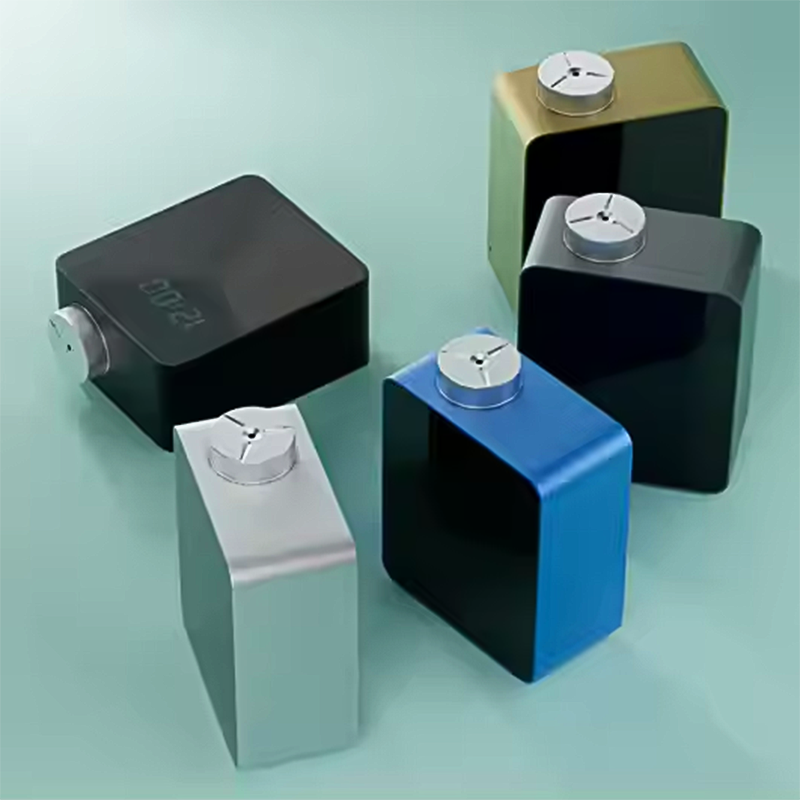
The right essential oils and diffuser system transform large indoor spaces into welcoming environments while supporting well-being and brand identity. For spaces up to 300㎡, selecting the best fragrance oils for diffusers means balancing scent strength, volatility, safety, and longevity. This guide explains which essential oils perform best in large diffusers, how to blend and dilute for consistent coverage, and why the Saintdeland 601 Bluetooth smart clock perfume machine | 12V low-consumption two-fluid atomization 300㎡ is an excellent choice for continuous, energy-efficient scenting.
Choosing Oils for Large Diffusers: Principles and Practical Tips
Understanding volatility and scent throw
For large spaces, oils with a balanced volatility profile produce the most consistent scent throw. Top notes like lemon or bergamot provide immediate impact but evaporate quickly; middle and base notes such as lavender, cedarwood, and patchouli provide lasting presence. Choosing blends that combine top, middle, and base notes ensures a sustained and pleasant aroma across a 300㎡ area.
Matching oil strength to diffuser capacity
Large diffusers and HVAC-integrated scenting systems require oils that are formulated or diluted to avoid overpowering areas close to the nozzle while still reaching distant corners. Using high-quality carrier blends or fragrance bases specifically labeled as suitable for electronic atomization helps avoid clogging and uneven diffusion. When searching for best fragrance oils for diffusers, prioritize oils described as 'diffuser-safe' or 'nebulizer-friendly'.
Safety and indoor air quality considerations
Essential oil safety is critical in large or public spaces. Use industry guidance such as the National Association for Holistic Aromatherapy (NAHA) for general safety recommendations (https://www.naha.org/){' target='_blank'} and consult the International Fragrance Association for regulatory guidance on synthetic fragrance usage (https://ifrafragrance.org/){' target='_blank'}. Avoid prolonged high-concentration diffusion in poorly ventilated areas, and consider allergen labeling or opt-in scent policies in commercial settings.
Top Essential Oils and Blends for 300㎡ Coverage
Citrus and bright top-note blends
Citrus oils such as sweet orange, bergamot, and lemon provide immediate freshness and are excellent for reception areas, retail spaces, and lobbies. For large diffusers, blend citrus with a stabilizing middle note such as rosemary or lavender to extend longevity and prevent the fragrance from dissipating too quickly.
Woody and resinous base blends for consistent presence
Base-heavy oils like cedarwood, sandalwood, and frankincense produce deep, long-lasting aromas that anchor a large room. These are ideal for hospitality, corporate offices, and hotel lobbies where a subtle, persistent scent is preferred. Use these oils at slightly higher ratios in blends intended for continuous diffusion.
Floral and herbal blends for welcoming atmospheres
Lavender, jasmine, and neroli give a soft, inviting profile suitable for waiting areas and wellness centers. When used in large diffusers, pair floral oils with resinous bases to ensure they remain detectable across a wide area without becoming overly sweet or cloying.
How to Formulate and Dilute Oils for Large Diffusers
Recommended dilution ratios and runtime strategies
For nebulizing or cold-air two-fluid atomization systems used in large spaces, start with a conservative dilution and adjust based on room response. Typical starting guidelines:
- Commercial-grade nebulizers: 5–15% essential oil to carrier blend by volume.
- Continuous low-energy diffusers (like the Saintdeland 601): 3–10% depending on oil strength.
Run cycles such as 15 minutes on / 45 minutes off or use scheduled bursts via smart controls to maintain a consistent ambient level without overloading the space.
Practical table: oils comparison for large diffusion
| Essential Oil | Scent Character | Best Uses | Relative Longevity in 300㎡ | Recommended Dilution (large diffusers) |
|---|---|---|---|---|
| Cedarwood | Warm, woody | Hotels, offices | High | 5–10% |
| Lavender | Floral, calming | Spas, waiting rooms | Medium | 3–8% |
| Sweet Orange | Bright, uplifting | Retail, lobbies | Low-Medium | 3–7% with stabilizer |
| Frankincense | Resinous, centering | Hotels, places of worship | Very High | 4–10% |
| Peppermint | Sharp, energizing | Gyms, break rooms | Medium | 2–5% |
Tips to avoid common issues
To prevent clogging and inconsistent output, use oils labeled for nebulization or blend them with recommended carrier fluids. Regularly maintain the atomizer, follow manufacturer filters and cleaning intervals, and use a smart schedule to reduce oil overuse.
Why Saintdeland 601 Is Ideal for 300㎡ Spaces
Efficiency and technical fit
The Saintdeland 601 Bluetooth smart clock perfume machine | 12V low-consumption two-fluid atomization 300㎡ uses second-generation fluid atomization technology and Bluetooth smart control for precise diffusion. Operating at 12V and 8W, it minimizes power draw while maximizing continuous coverage. Its 200 ml essential oil chamber supports long runtime, reducing refill frequency and delivering stable scenting across a 300㎡ area.
Design, usability and control
With an aluminum alloy body available in five colors (silver, black, gold, blue, and gray), the SDL601 doubles as a tasteful decorative item. Integrated Bluetooth control and clock scheduling let facility managers create scent profiles and timed cycles that maintain a consistent ambient fragrance without constant manual adjustment.
Compatibility with best fragrance oils for diffusers
The two-fluid atomization method in the SDL601 is compatible with both pure essential oils and professional fragrance blends formulated for nebulizing. This allows you to use the best fragrance oils for diffusers—ranging from citrus-based commercial blends to woody or resinous bases—while using lower concentrations for even distribution across large spaces.
Operational Best Practices and Long-Term Management
Scheduling and zoning for balanced coverage
Large venues should adopt zone-based scenting. Place one SDL601 per defined zone or integrate multiple units to ensure uniform diffusion. Use Bluetooth scheduling to stagger on/off periods, reducing scent peaks and ensuring even scent propagation throughout the environment.
Maintenance, refills and longevity
Regular cleaning, timely replacement of atomizing parts, and using high-quality oils extend system life. The SDL601's 200 ml reservoir is designed for long-term use; with typical dilution and intermittent cycles, a refill interval could range from several days to weeks depending on usage patterns.
Monitoring and feedback
Collect occupant feedback and monitor areas with higher traffic or stronger ventilation, as these factors alter perceived scent intensity. Adjust dilution and cycles accordingly to maintain comfort and avoid scent fatigue.
Regulatory, Safety, and Evidence-Based Guidance
Referencing authoritative sources
For broad information on aromatherapy and essential oils, see the Aromatherapy overview on Wikipedia (https://en.wikipedia.org/wiki/Aromatherapy){' target='_blank'}. For safety practices, consult the National Association for Holistic Aromatherapy (https://www.naha.org/){' target='_blank'} and industry guidance from the International Fragrance Association (https://ifrafragrance.org/){' target='_blank'}. These resources help operators set safe exposure levels and product selection criteria.
Addressing allergies and sensitivities
Implement scent policies and labeling in commercial environments. Provide scent-free zones or limited-hours scenting to reduce risk for sensitive individuals. When in doubt, use lighter concentrations and shorter diffusion cycles and keep documentation of ingredients in blends used on-site.
Evidence and health claims
While many users report mood or perception benefits from aromatherapy, avoid making unfounded medical claims. Reference peer-reviewed literature for specific therapeutic assertions and ensure compliance with local advertising and health regulations.
Brand Advantages and Why Choose Saintdeland
Technical leadership and energy efficiency
Saintdeland focuses on combining advanced atomization technology with energy-efficient hardware. The SDL601's 12V low-voltage power supply and 8W consumption reduce operating cost and align with sustainability goals for large venues.
Design flexibility and user-centric controls
With multiple finish options and smart Bluetooth scheduling, Saintdeland products fit varied interior designs and operational needs. The 200 ml reservoir and two-fluid system are built for consistent, low-maintenance operation suited to 300㎡ coverage.
Support, safety, and compliance
Saintdeland provides product documentation and recommended maintenance schedules, helping facilities comply with safety best practices and ensure reliable long-term scenting performance.
FAQ - Frequently Asked Questions
Q: What are the best essential oils for diffusers covering 300㎡?
A: The best oils blend top, middle, and base notes for sustained presence. Cedarwood, frankincense, lavender, and blended citrus-stabilizer formulas are commonly effective. Use commercial-grade diffuser-safe blends for optimal performance.
Q: How long will the Saintdeland 601 run on a 200 ml reservoir?
A: Runtime varies with dilution and cycle scheduling. With conservative continuous cycles and 3–8% effective oil concentration, expect multiple days to weeks per refill in typical commercial schedules. Adjust based on your actual runtime patterns.
Q: Is the Saintdeland 601 safe for public spaces and allergy-sensitive environments?
A: Yes, when used according to safety guidelines: choose low-concentration blends, employ timed diffusion cycles, provide signage or opt-in policies for occupants, and avoid high-allergen components in public areas. Consult the NAHA safety guidance for detailed practices (https://www.naha.org/){' target='_blank'}.
Q: Can I use both pure essential oils and fragrance oils in the SDL601?
A: The SDL601 supports both, but always use diffuser-compatible formulations or dilute pure oils with recommended carriers to prevent clogging. For large spaces, professionally formulated fragrance oils designed for nebulizers typically offer more consistent results.
Q: How do I maintain consistent scent levels across multiple rooms?
A: Adopt zoned scenting with multiple devices, consistent dilution protocols, and scheduled diffusion cycles. Use Bluetooth scheduling to coordinate units, and collect occupant feedback to fine-tune intensity.
If you have further questions or would like a demo of the Saintdeland 601 Bluetooth smart clock perfume machine | 12V low-consumption two-fluid atomization 300㎡, please contact our customer service or view product details and purchase options: View Saintdeland 601 product page.
Customer Service: support@saintdeland.com | Phone: +1-800-000-0000
Selecting high-performance oils is only half the battle; you also need a reliable delivery system capable of handling that volume. See how our top-tier hardware stands up to the task in the Saintdeland 601 Review: Perfume Machine for 300㎡ Spaces.
Hotel Fragrance Strategy: Scent Machines for Business
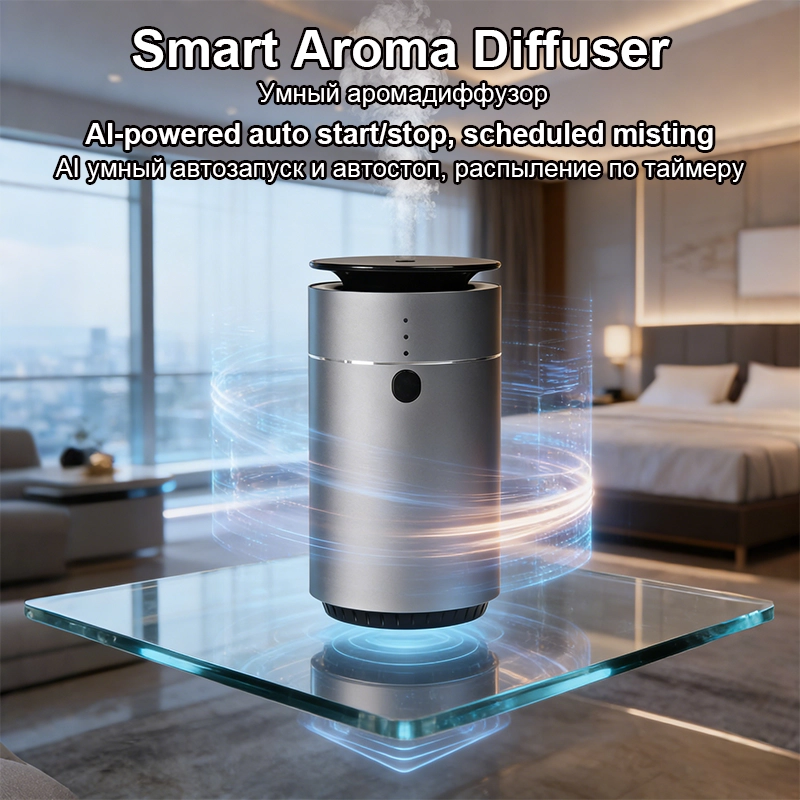
Rechargeable Smart Car Air Freshener — 10ml Electric Essential Oil Diffuser for Home & Car
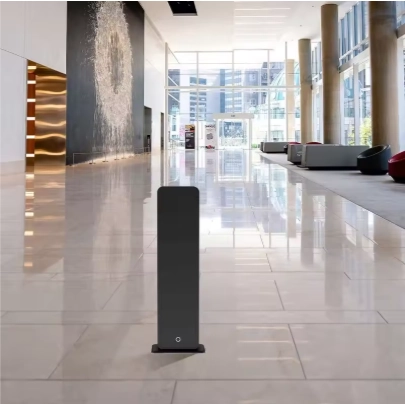
How a Commercial Scent Machine Boosts Hotel Guest Experience
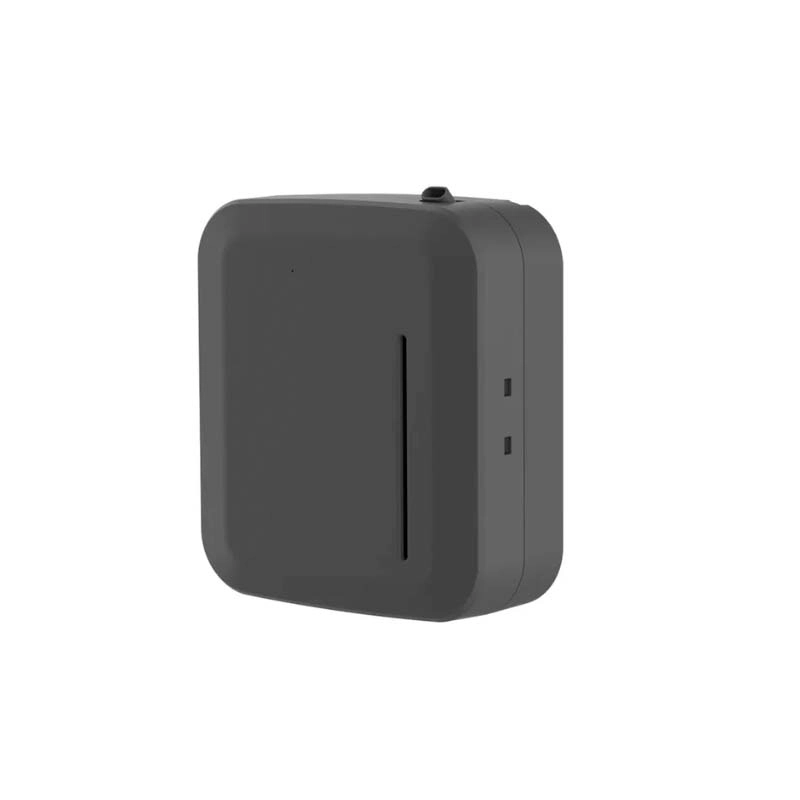
Procurement Checklist: Smart Features for Scent Machines
C007
Is it supported to use a variety of essential oils?
Most water-soluble essential oils are supported, but in order to ensure the best use effect and equipment life, it is recommended to use product recommendation or regular brand essential oils.
How long can a fragrance machine last when filled with essential oil at a time?
The duration of use is related to the gear setting. Under low gear, 15ML essential oil can be used for about 1-2 weeks; under high gear, the use time is about 3-5 days. Please refer to the actual use for the specific duration.
C008
Is it supported to use multiple essential oils?
Most water-soluble essential oils are supported, but to ensure the best use effect and equipment life, it is recommended to use product recommended or regular brand essential oils.
OEM/ODM Services
How do you ensure product quality?
We operate under a strict ISO-certified quality management system, with in-house QC teams and advanced testing equipment. Every batch undergoes multiple inspections, including stability, scent integrity, and safety compliance.
About Products
Does your product comply with EU/US safety standards?
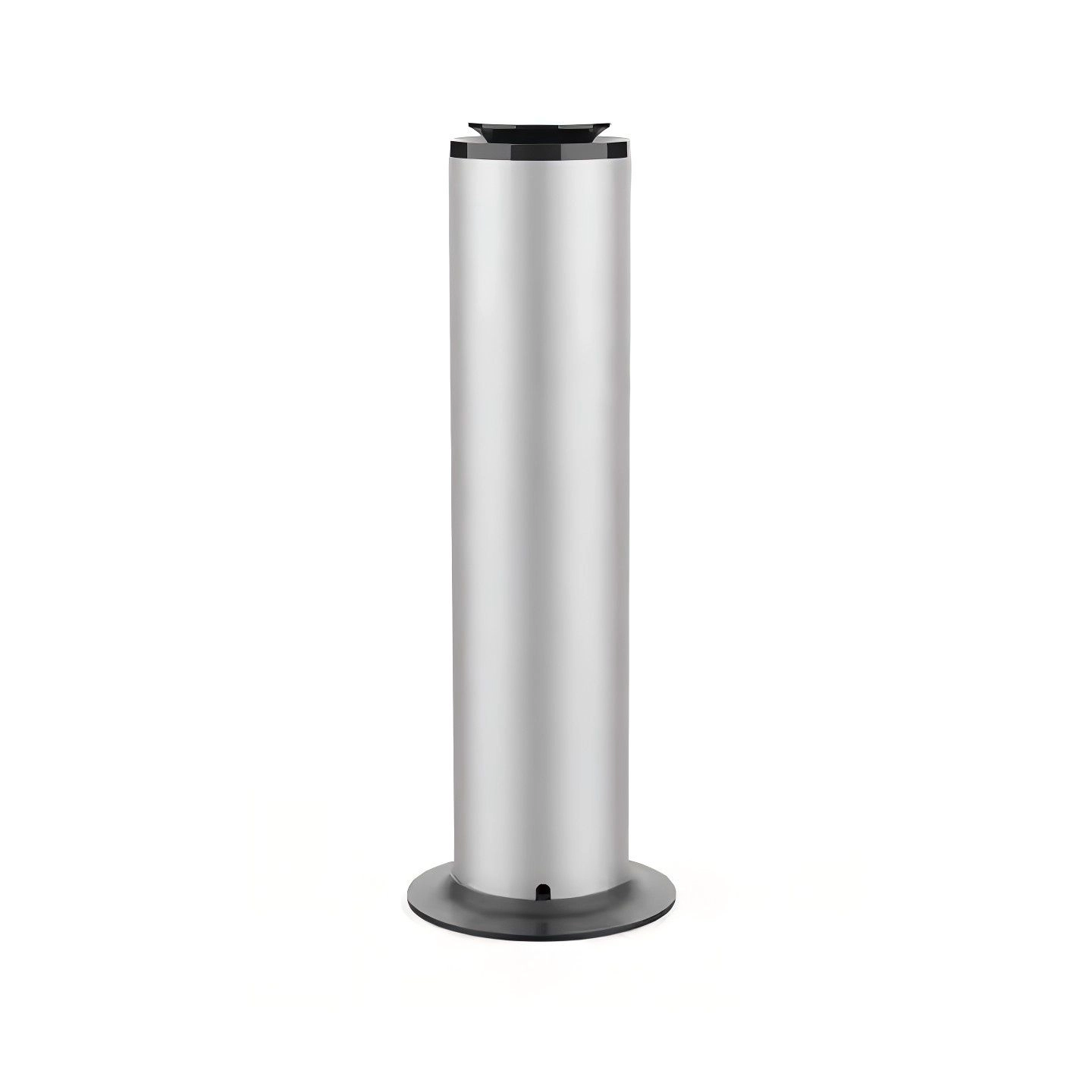
Saintdeland 609 floor standing scent diffuser | household
New Style Metal Smart Home Scent air Machine Electric 120ML Waterless Essential Oil Diffuser Hotel Tower Scent Machine
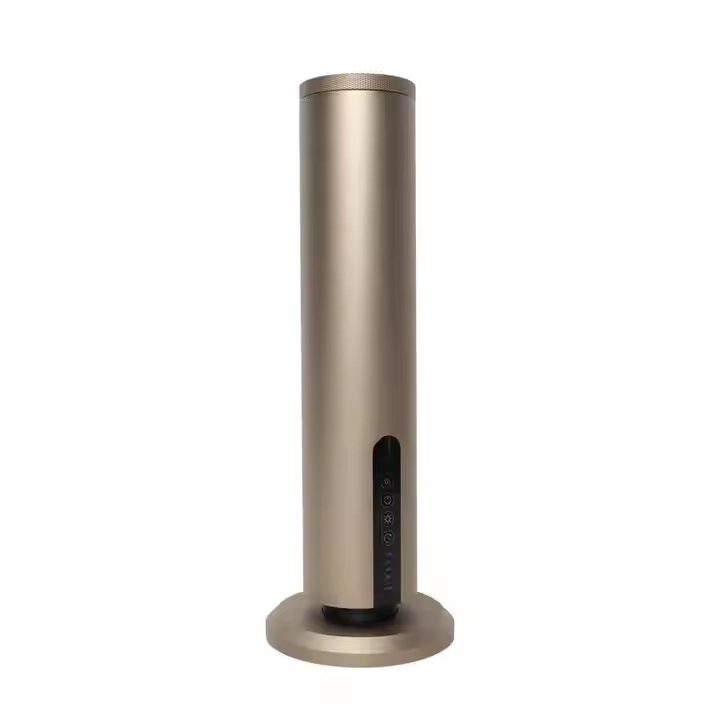
Saintdeland 802 Smart Aroma Diffuser | Bluetooth APP control | sleep aid
Top Sale Portable Wireless Battery Scent Diffuser 100ML Rechargeable Tabletop Essential Oil Home Aroma Diffuser
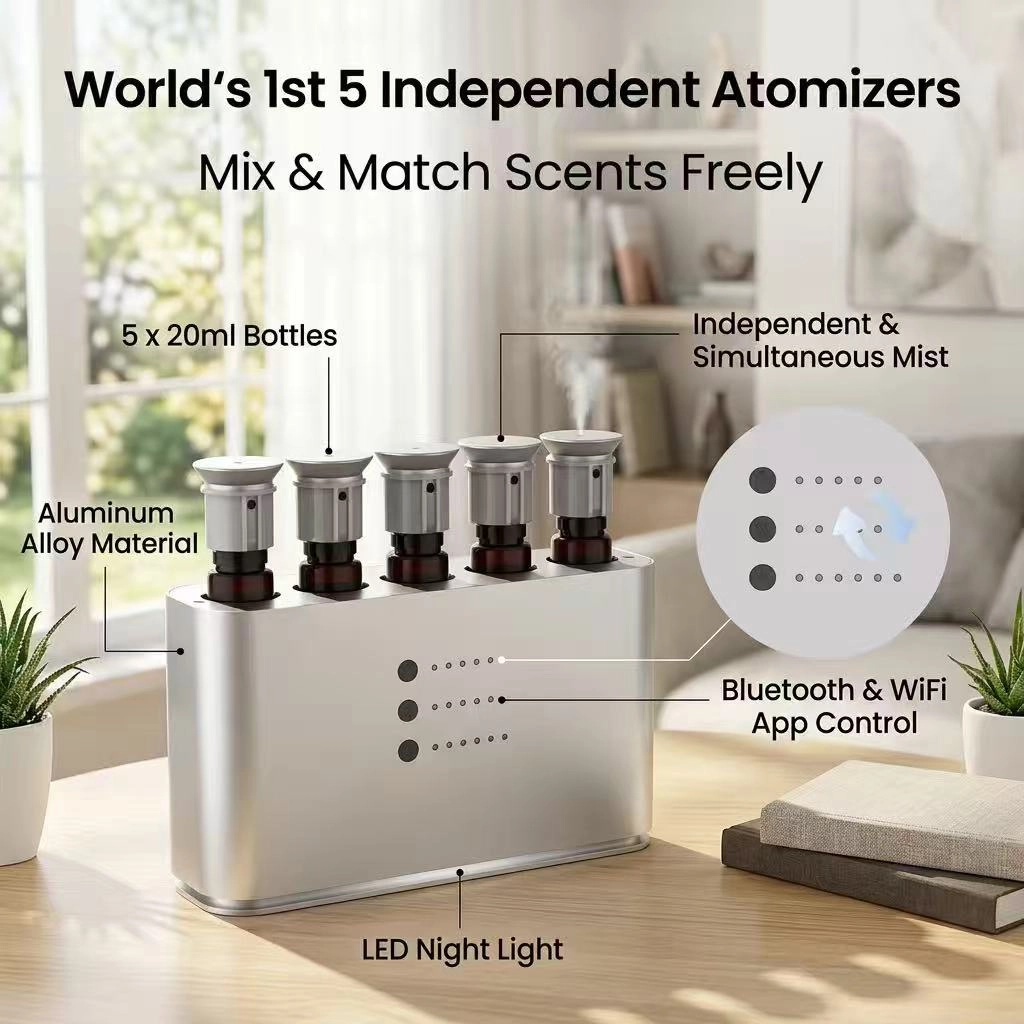
Saintdeland 311 Factory Direct Large Capacity 5-Tank Waterless Electric Essential Oil Diffuser Smart WiFi Control for Hotel Home Use
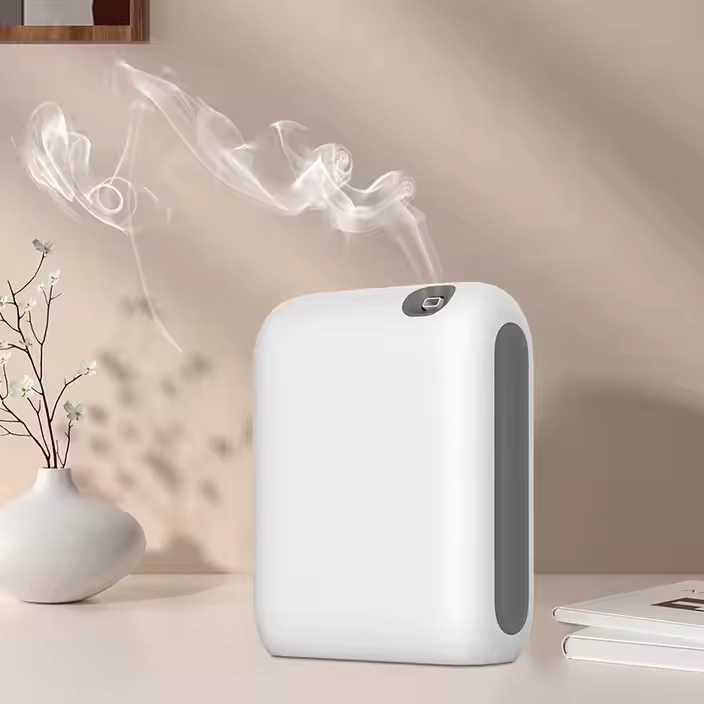
Saintdeland 308 Bluetooth Intelligent Two Fluid Nebulization Diffuser | 400 ㎡+Efficient Coverage Silent Nano level Fragrance Master
The SDL308 intelligent fragrance diffuser innovates the fragrance experience, using two fluid atomization black technologies to instantly transform 200 ml of essential oil into a nano-level fragrance mist, paired with a fan for dual diffusion, immersing a 400-500 square meter space in rich fragrance in seconds.
Through the Bluetooth smart control of the mobile app, concentration adjustment and timed switch can be controlled in one hand to meet personalized fragrance needs. The body is made of environmentally friendly plastic, with a simple white appearance that can be used in various scenarios. The operating noise is less than 35 decibels, which can bring a quiet and high-end olfactory enjoyment whether it is for home rest, office meetings, or commercial space hospitality.
Let's get in touch
Email: huangxiuqing132@outlook.com
Tel: +86 180 1180 4432
WhatsApp: +86 185 9400 4460
Facebook
YouTube
TikTok